South Korean Companies Required to Disclose Crypto Holdings under New Rules
Companies holding or trading cryptocurrencies in South Korea will be required to disclose information about their transactions to the financial regulator, according to the draft rules released by the country's Financial...
Archive context
Older archive item. Useful for background and entity history, but not a fresh market-moving signal.

Companies holding or trading cryptocurrencies in South Korea will be required to disclose information about their transactions to the financial regulator, according to the draft rules released by the country's Financial Services Commission (FSC) yesterday (Tuesday).
According to the rules, the FSC said that the companies would be required to share information about the amount of digital assets they hold, the characteristics of the assets, as well as their business model. Additionally, the draft rules require companies to disclose profits from cryptocurrencies and the market value of their holdings.
Transparency and Accountability
The new measures, according to the FSC, aim to improve transparency in accounting for digital assets held by corporations. Additionally, the regulator will divulge profits from the sale of virtual assets. However, the cost incurred in developing the assets is not recognized as intangible assets, the announcement stated.
The draft rules are part of a bigger agenda by South Korea to regulate cryptocurrencies. Finance Magnates reported in May that the country's ruling party, People Power Party, was preparing a bill that also required lawmakers to declare their crypto holdings.
According to the sources quoted by Yonap, a media publication in South Korea, the bill aims to enhance transparency among the legislators regarding their holdings of digital assets. The bill followed investigations launched against Kim Nam-kuk, a former opposition lawmaker in South Korea.
South Korea Regulates Crypto
Similarly, in March last year, South Korea implemented the travel rule of the Financial Action Task Force, a global regulator fighting money laundering and terror financing. The rule requires digital exchanges to report transactions that exceed certain amounts specified by the watchdog.
Besides that, in March, the South Korean National Assembly passed a law that provides a legal framework for the regulation of digital assets. Known as the Virtual Asset User Protection Act, the legislation defines what digital assets are and the penalties for illegal transactions.
The legislation also states that digital services providers should separate users' assets from their own and must insure customers' funds. On top of that, digital asset exchanges are required to hold sufficient reserves to back the crypto assets issued to their users.
This article was written by Jared Kirui at www.financemagnates.com.Why this matters
This cryptocurrency story adds another data point to the current market tape and is useful when read alongside nearby source coverage.
Original source
Read on Finance MagnatesRelated market context

Crypto Markets Digest: The Block’s Live Price Feed Underscores the News-Data Nexus in Digital Assets
The Block pairs Bitcoin and Ethereum news with live prices. We examine why crypto news and real-time data fused, and what it means...

Senate Republicans introduce crypto tax bill targeting digital assets
The bill's focus on crypto taxation may signal a shift towards detailed regulatory frameworks, influencing market sentiment and fu...
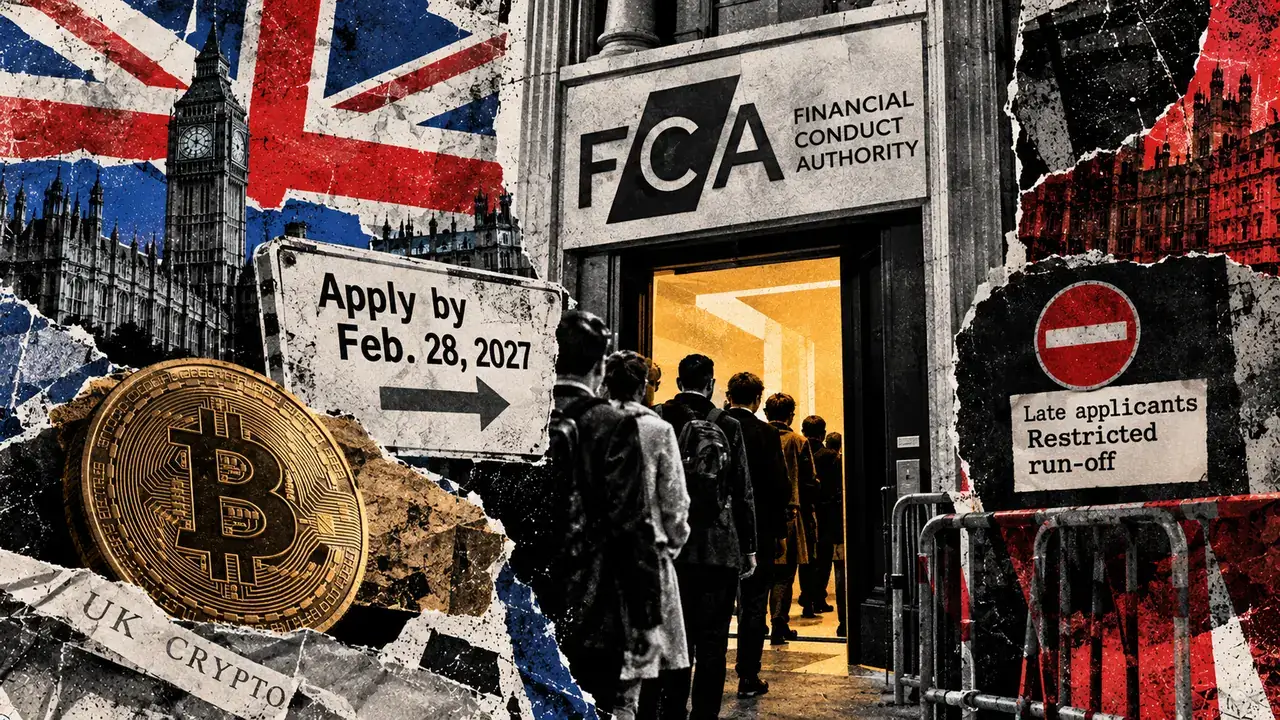
UK’s 2027 crypto rules could block new business with existing customers
The Financial Conduct Authority opened its authorization gateway for the new UK crypto rules on Sept. 30, starting an application...
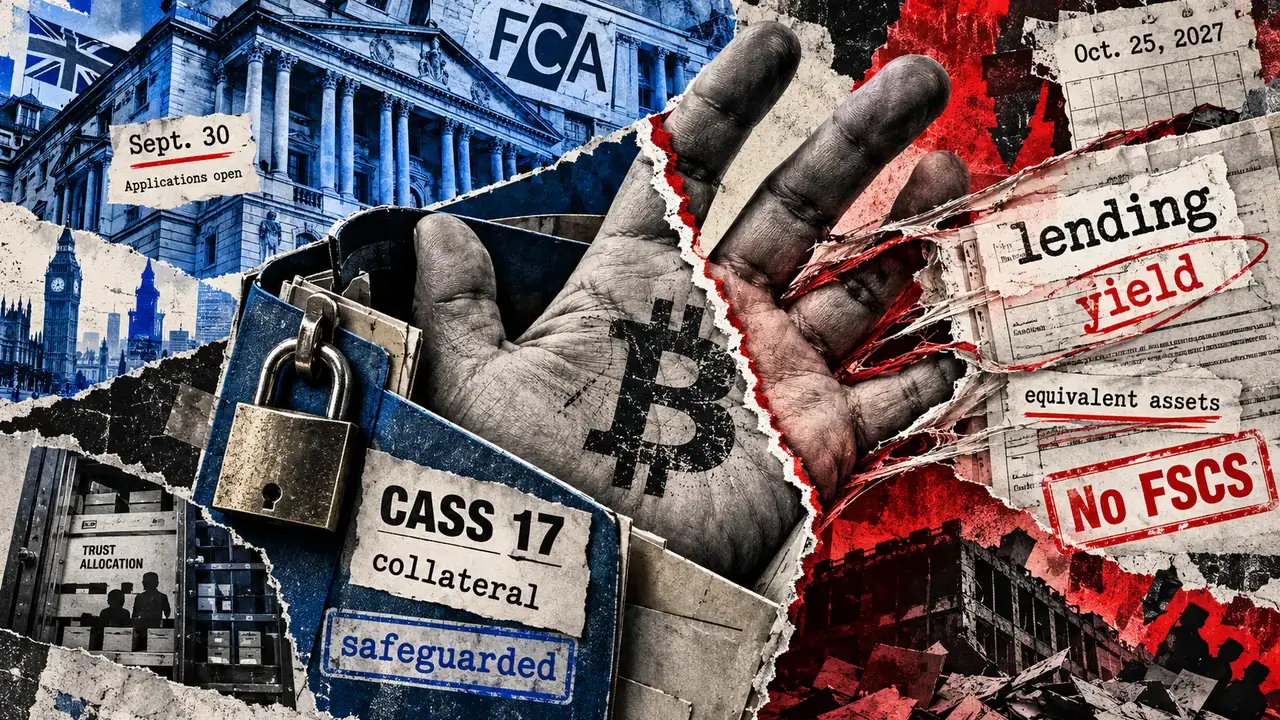
UK’s 2027 crypto rules let firms remove trust protection from Bitcoin lent for yield
UK crypto firms can now apply for authorization as of Sept. 30, bringing Bitcoin holders closer to a rulebook that will treat coin...
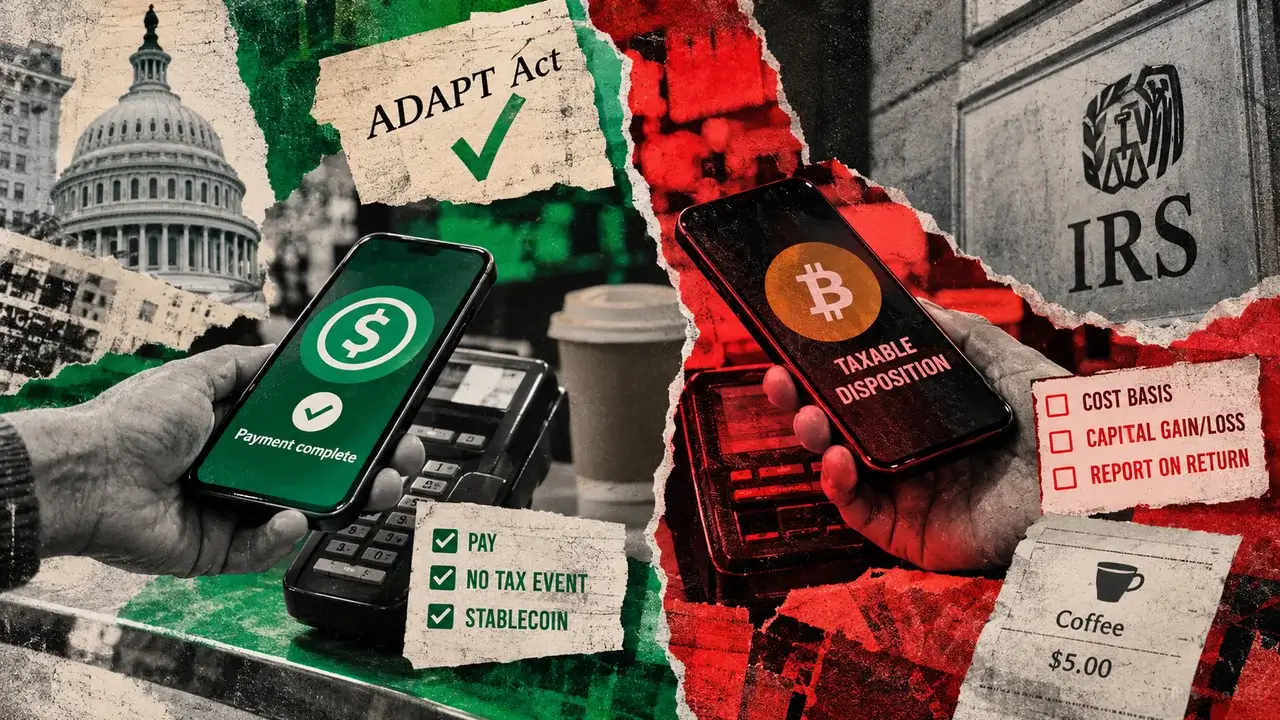
Senate tax bill frees stablecoin spending while Bitcoin stays on IRS forms
A coffee bought with a qualifying dollar stablecoin would avoid gain-or-loss recognition under the ADAPT Act that Sen. Steve Daine...

Kraken Completes Acquisition Of TradeStation Crypto Infrastructure Assets
In a major development confirmed on SEPTEMBER 30, 2026, Confirmed announcement/filing for Kraken Completes Acquisition Of TradeSta...