Sri Lanka’s Central Bank Warns About Crypto Amid Severe Economic, Political Crisis
Sri Lanka’s central bank issued a warning regarding the use of cryptocurrencies amid a devastating economic and political crisis. The central bank stressed that it “has not given any license or authorization to any entit...
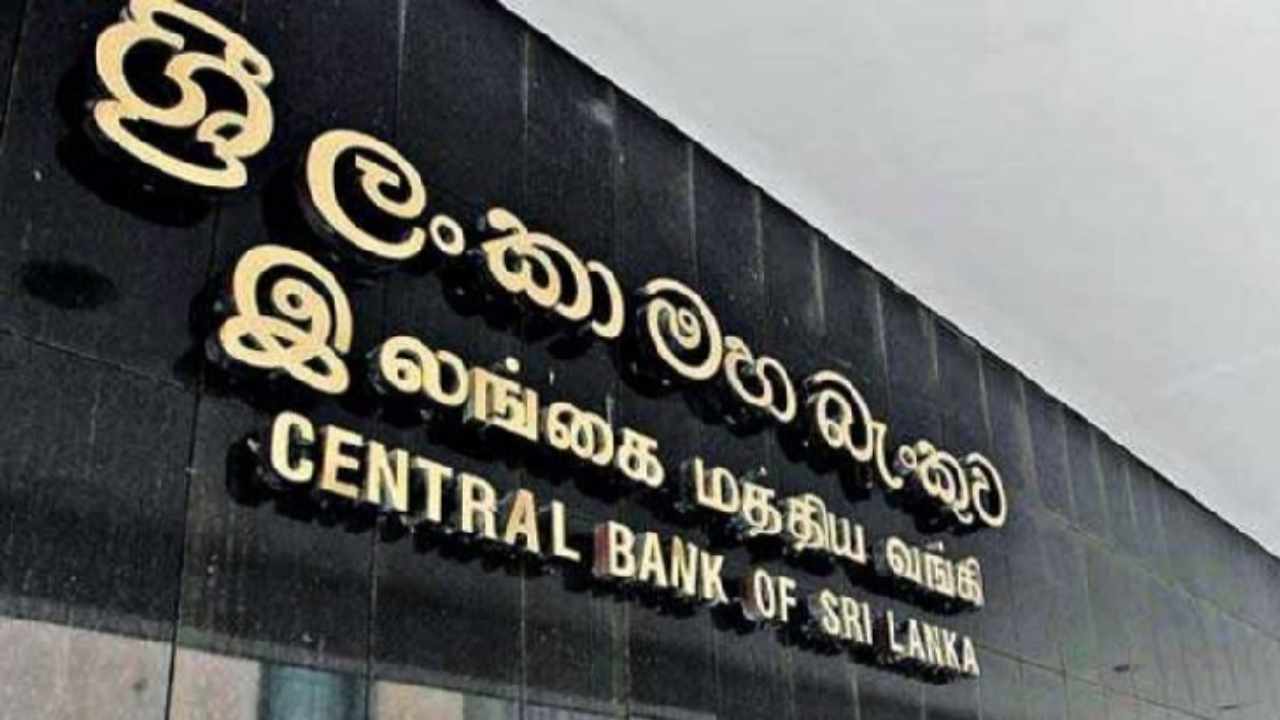
Sri Lanka’s central bank issued a warning regarding the use of cryptocurrencies amid a devastating economic and political crisis. The central bank stressed that it “has not given any license or authorization to any entity or company to operate schemes” involving cryptocurrencies.
Sri Lanka’s Central Bank Issues Notice About CryptocurrencyThe Central Bank of Sri Lanka (CBSL) published a notice about cryptocurrency Tuesday titled “Public Awareness in Relation to the Use of Virtual Currencies in Sri Lanka.” The notice cites “recent development in relation to virtual currency usage in the international and domestic markets as well as the inquiries related to virtual currency.”
Noting that “Virtual currencies (VCs) are largely unregulated digital representations of value that are issued by private entities and can be electronically traded,” the Sri Lankan central bank emphasized:
CBSL has not given any license or authorization to any entity or company to operate schemes involving VCs, including cryptocurrencies.
The central bank further noted that it “has not authorized any initial coin offerings (ICO), mining operations or virtual currency exchanges.”
Furthermore, the Central Bank of Sri Lanka warns that “Electronic Fund Transfer Cards (EFTCs) such as debit cards and credit cards are not permitted to be used for payments related to virtual currency transactions.” The notice continues:
Therefore, VCs are considered as unregulated financial instruments and have no regulatory oversight or safeguards relating to their usage in Sri Lanka.
“The public is, therefore, warned of the possible exposure to significant financial, operational, legal and security related risks as well as customer protection concerns posed to the users by investments in VCs,” the central bank concluded. “The public is also warned not to fall prey to various types of VC schemes offered through the Internet as well as other forms of media.”
Earlier this week, protesters stormed the former Sri Lankan prime minister’s compound. President Gotabaya Rajapaksa fled the country Wednesday. He has been blamed for a deep economic crisis as Sri Lankans face acute shortages of food, fuel, and other basic supplies. Prime Minister Ranil Wickremesinghe was sworn in Friday as temporary leader.
What do you think about the Sri Lankan central bank warning about cryptocurrency amid a severe economic crisis? Let us know in the comments section below.
Original source
Read on Bitcoin NewsRelated market context

Banks are buying Bitcoin vaults, but a quantum problem may be waiting inside
The banks are finally buying the vaults. In May, BNY, the world's largest custodian with $59.4 trillion in assets under custody an...

Hester Peirce Farewell Speech Highlights SEC Crypto Rulemaking Divide
TL;DR SEC Commissioner Hester Peirce delivered a farewell speech titled “Peirce Out.” She criticized the agency’s reliance on enfo...

The future of vaults: neobanks and invisible DeFi
The following is a guest post and opinion from Vincent Maliepaard, VP of Marketing at Sentora. On January 26, 2026, Kraken launche...

Reuters Currency Headlines Hint at Macro Shift for Bitcoin and Crypto Markets
Reuters currency market headlines hint at macroeconomic pressures affecting Bitcoin and crypto. Analysis of fiat moves and regulat...

Coinbase Council Warns 7 Million Bitcoin May Face Future Quantum Risk
TL;DR Coinbase’s Quantum Advisory Council says post-quantum migration planning should begin before quantum attacks become practica...

Carlos Domingo: The DTCC is repeating telecom’s mistakes, banks need the Clarity Act more than crypto, and stablecoins set the benchmark for tokenized assets | The Wolf Of All Streets
Financial institutions must choose between proprietary systems or embracing open blockchain technologies for future growth. The po...