Stablecoins are powering deobanks
Opinion by: Maksym Sakharov, co-founder and group CEO of WeFi The current markets are experiencing tailwinds as a result of the tariffs imposed by the US administration and retaliatory measures from trading partners. So...
Archive context
Older archive item. Useful for background and entity history, but not a fresh market-moving signal.

Opinion by: Maksym Sakharov, co-founder and group CEO of WeFi
The current markets are experiencing tailwinds as a result of the tariffs imposed by the US administration and retaliatory measures from trading partners. So far, however, market proponents say that Trump’s tariffs are primarily a negotiation strategy, and their effect on businesses and consumers will remain manageable.
Market uncertainty drives institutional interestAdding to the uncertainty are the inflationary pressures that could challenge the US Federal Reserve’s rate-cutting outlook. Besides that, an impending fiscal debate in Washington over the federal budget is also causing jitters in the market.
Resolving the debt ceiling remains a pressing issue, as the Treasury currently relies upon “extraordinary measures” to meet US financial obligations. The exact timeline for when these measures will be exhausted is unclear, but analysts anticipate they may run out after the first quarter.
While the administration has proposed eliminating the debt ceiling, this could face resistance from fiscal conservatives in Congress. According to a recent report, one sector experiencing steady growth is stablecoins despite this macroeconomic uncertainty. Much of the volume is driven by flows in Tether’s USDt (USDT) and USDC (USDC).
Dollar-pegged stablecoins dominate the marketStablecoins started as an experiment — a programmable digital currency that would make it easier for users to enter the crypto market and trade different digital assets. A decade later, they are a critical part of the broader digital financial infrastructure.
The stablecoin market cap currently stands at a record $226 billion and continues to expand. Demand in emerging markets drives this growth. A recent ARK Invest report states that dollar-pegged stablecoins dominate the market. They account for over 98% of the stablecoin supply, with gold- and euro-backed stablecoins only sharing a small portion of the market.
In addition to this, Tether’s USDt accounts for over 60% of the total market. ARK’s research suggests that the market will expand and include Asian currency-backed stablecoins.
Recent: US will use stablecoins to ensure dollar hegemony — Scott Bessent
Besides that, digital assets are going through a shift marked by “stablecoinization” and “dollarization.” Asian nations like China and Japan have offloaded record amounts of US Treasurys. Saudi Arabia has ended its 45-year petrodollar agreement, and BRICS nations are increasingly bypassing the SWIFT network to reduce reliance on the US dollar.
Bitcoin (BTC) and Ether (ETH) were traditionally the primary entry points into the digital asset ecosystem. Stablecoins have, however, taken the lead over the past two years, now representing 35%–50% of onchain transaction volumes.
Despite global regulatory headwinds, emerging markets have been adopting stablecoins. In Brazil, 90% of crypto transactions are undertaken via stablecoins, primarily used for international purchases.
A Visa report ranks Nigeria, India, Indonesia, Turkey and Brazil as the most active stablecoin markets, and Argentina ranks second in stablecoin holdings. Additionally, six out of every 10 purchases in the country were made using stablecoins pegged to the dollar, with near parity between USDC and USDT.
This shift toward stablecoins in Argentina is driven by high inflation and the need to protect against the devaluation of the Argentine peso. People in countries with unstable currencies turn to stablecoins, like USDT, to safeguard their wealth.
Deobanks and their role in high-risk areasStablecoins have paved the way for a new generation of financial services. For example, stablecoins have provided the foundation for decentralized onchain banks, or deobanks, that embrace stablecoins as their native currency.
Deobanks make digital banking and financial services accessible to everyone, even people who do not meet strict account opening criteria. They also attract people who do not trust traditional institutions with their money. Users keep complete control of their funds through non-custodial accounts and enjoy real-time transaction transparency.
Deobanks’ decentralized nature replaces intermediaries with smart contracts that connect personal wallets directly to digital bank accounts. This approach cuts costs and speeds up transactions. Onchain data transparently preserves every transaction detail. The result is a financial model that is both efficient and inclusive.
What lies aheadAnalysts predict the stablecoin market cap will surpass $400 billion in 2025. Deobanks bring a new edge to this growth, using stablecoins to drive economic growth and expand digital payment networks. They open fresh avenues for cross-border commerce and new opportunities for financial inclusion.
In the next few years, the combined rise of stablecoins and next-generation onchain banks will transform how money moves across borders and transactions are processed. The blockchain integration at the back end and stablecoin foundation will promote lower fees, faster payments and broader access to financial services. The trend represents a shift away from outdated systems and signals a more resilient financial ecosystem.
Opinion by: Maksym Sakharov, co-founder and group CEO of WeFi .
This article is for general information purposes and is not intended to be and should not be taken as legal or investment advice. The views, thoughts, and opinions expressed here are the author’s alone and do not necessarily reflect or represent the views and opinions of Cointelegraph.
Why this matters
This cryptocurrency story adds another data point to the current market tape and is useful when read alongside nearby source coverage.
Original source
Read on CointelegraphRelated market context
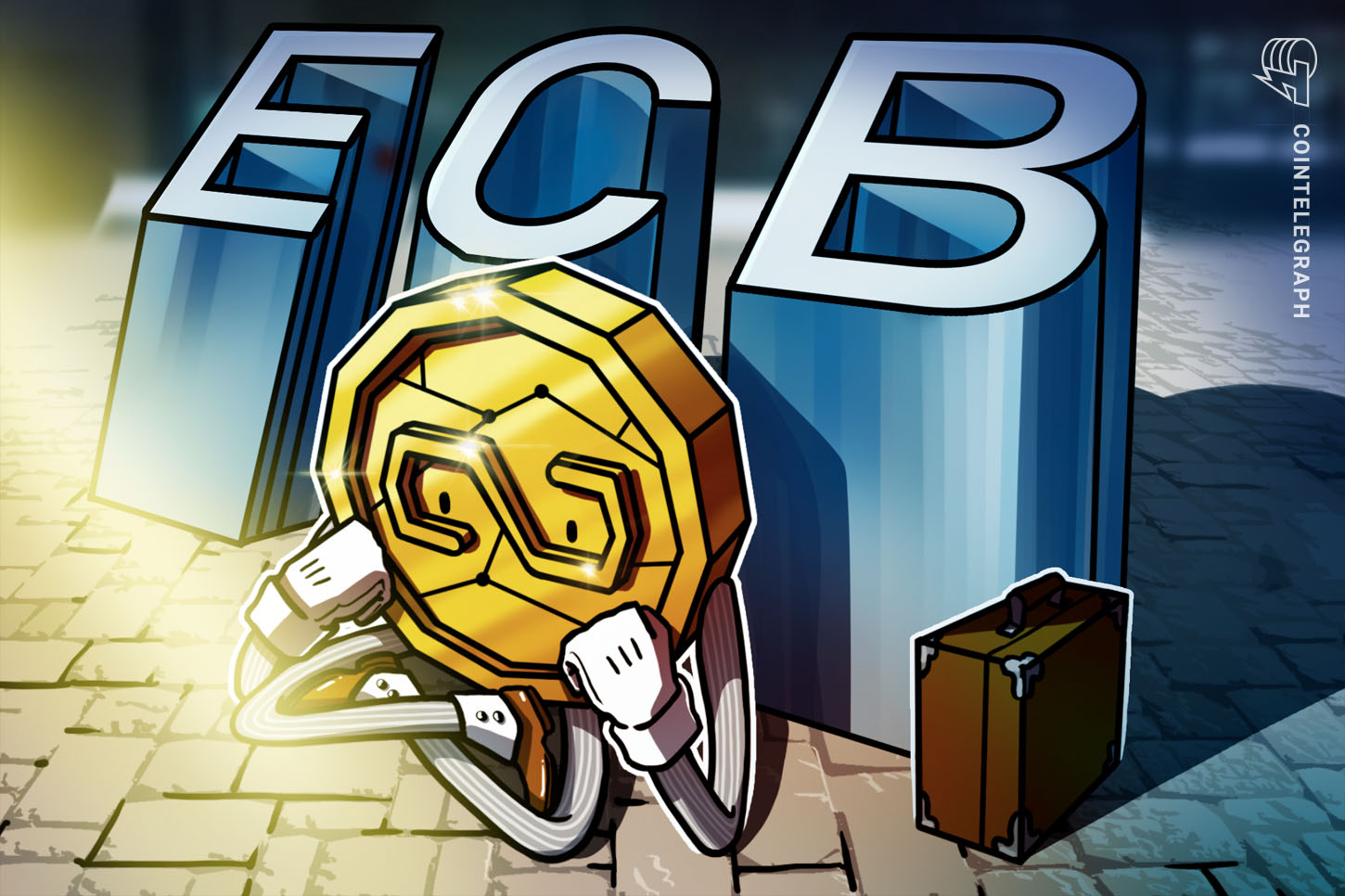
ECB, EU cenbanks seek changes in MiCA’s minimum bank deposit for stablecoins
The ECB and EU central banks want to replace MiCA’s stablecoin bank-deposit requirements with liquidity thresholds, warning that s...

ShredPay Joins Jack Henry Network To Bring Stablecoin Infrastructure To Banks
TL;DR ShredPay has joined the Jack Henry Fintech Integration Network. The integration can connect ShredPay’s stablecoin and digita...
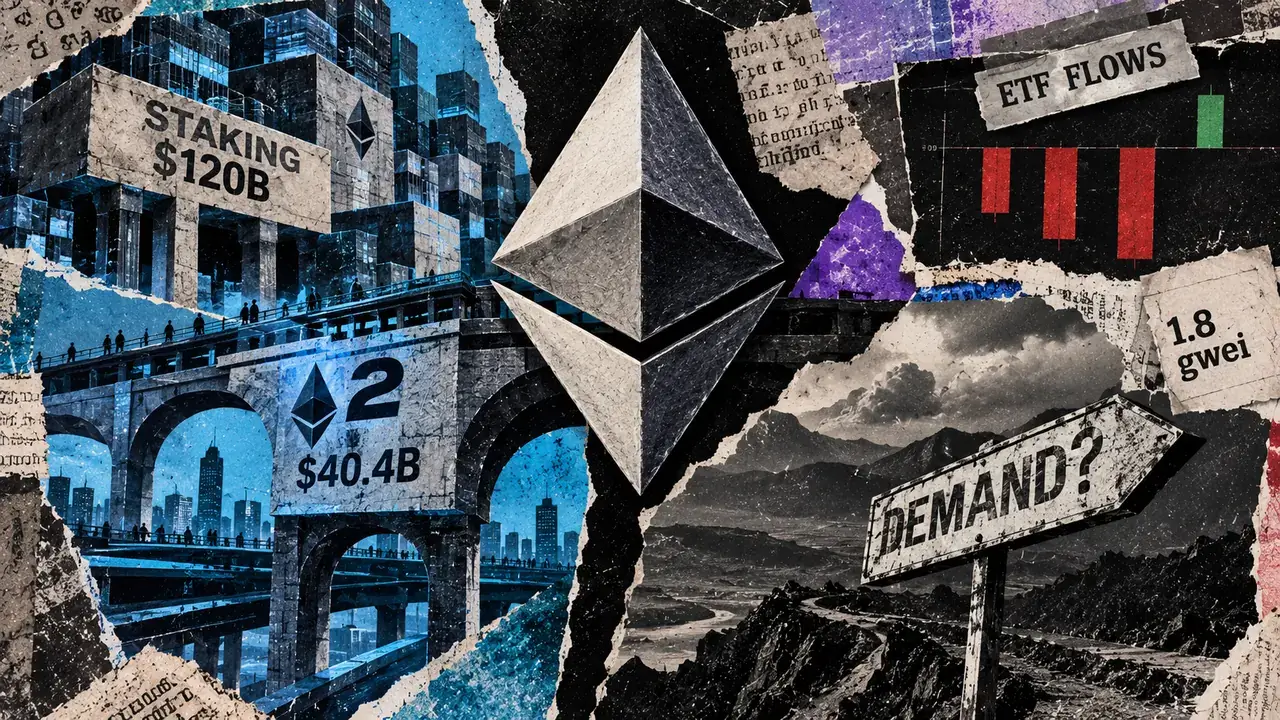
L2 growth and $120 billion in staking hide Ethereum’s supply reality
Ethereum's institutional data hub showed about $120 billion in staked ETH and $40.4 billion in daily average total value locked on...

ZWTC 2026 Enters Squad Stage as Zoomex Opens Registration for Competition With Up to 2.5 Million USDT in Prizes
VICTORIA, Seychelles, September 21, 2026 — Zoomex, a global cryptocurrency trading platform focused on derivatives, has opened reg...
Mastercard’s BVNK adds Stellar to stablecoin payments platform
Mastercard's integration of Stellar into BVNK's platform enhances global financial connectivity, potentially revolutionizing cross...

Binance Takes $100m Stake in Circle Alongside Five-Year USDC Deal
Circle Internet Group and Binance have expanded their strategic partnership through a new five-year commercial agreement and a $10...