Stablecoins Don’t Need New Regulations: Chamber of Digital Commerce
The Chamber of Digital Commerce has said that retail-focused and dollar-pegged stablecoins should not face new or bespoke regulations “simply because new technology is being deployed,” per Reuters. The organization—whose...
Archive context
Older archive item. Useful for background and entity history, but not a fresh market-moving signal.

The Chamber of Digital Commerce has said that retail-focused and dollar-pegged stablecoins should not face new or bespoke regulations “simply because new technology is being deployed,” per Reuters.
The organization—whose members include Goldman Sachs, Citigroup, Tether, and Circle—also said stablecoins are not “at significant scale” to merit a “separate, compulsory regulatory regime.”
The Chamber’s comments come at a time when stablecoin regulation—and regulation of the crypto industry more broadly—remains a hot topic.
Regulating stablecoinsThe Chamber of Digital Commerce claims about stablecoins and regulation are at odds with others looking at the crypto industry from the outside.
Earlier this week, Fitch Ratings—one of the “Big Three” credit rating agencies—issued a warning on stablecoins.
“Fitch Ratings believes stablecoins that approach a systemically important scale could come to play an important role in short-term securities markets, such as commercial paper, while bringing new risks to these markets,” the agency said.
Fitch Ratings is not the only observer to sound off on this brand of cryptocurrencies. The U.S. Treasury Secretary Janet Yellen met with multiple federal agencies earlier this year to carve out a regulatory approach that would govern stablecoins. Yellen, at the time, emphasized the need to “act quickly.”
Janet Yellen: We Must 'Act Quickly' on Stablecoin RegulationReserve Chair Jerome Powell also believes that stablecoins need to be regulated. From his purview, they ought to be regulated in a similar way to bank deposits and money market funds.
The deputy governor for financial stability at the Bank of England, Sir Jon Cunliffe, would also conceivably disagree with one of the Chamber’s premises, namely that stablecoins are too small an industry to merit bespoke regulations.
Addressing the broader crypto industry earlier this month, Sir Cunliffe said cryptocurrencies could trigger financial instability despite accounting for just a small share of the global financial system.
Bitcoin Could ‘Trigger’ Financial Instability: Bank of England Exec“Of course $2.3 trillion needs to be seen in the context of the $250 trillion global financial system. But as the financial crisis showed us, you don’t have to account for a large proportion of the financial sector to trigger financial stability problems,” Sir Cunliffe said.
Why this matters
This cryptocurrency story adds another data point to the current market tape and is useful when read alongside nearby source coverage.
Original source
Read on DecryptRelated market context

American Bankers Sue OCC Over Crypto Bank Charters, Challenging Coinbase and Circle
The lawsuit, filed October 2 in the U.S. District Court for the District of Columbia, puts the growing role of crypto firms within...

Who Is Jay Clayton? From XRP Lawsuit to Trump’s New AI Czar
Clayton will lead the newly created “Super Intelligence Force,” a White House task force tasked with examining the risks and oppor...
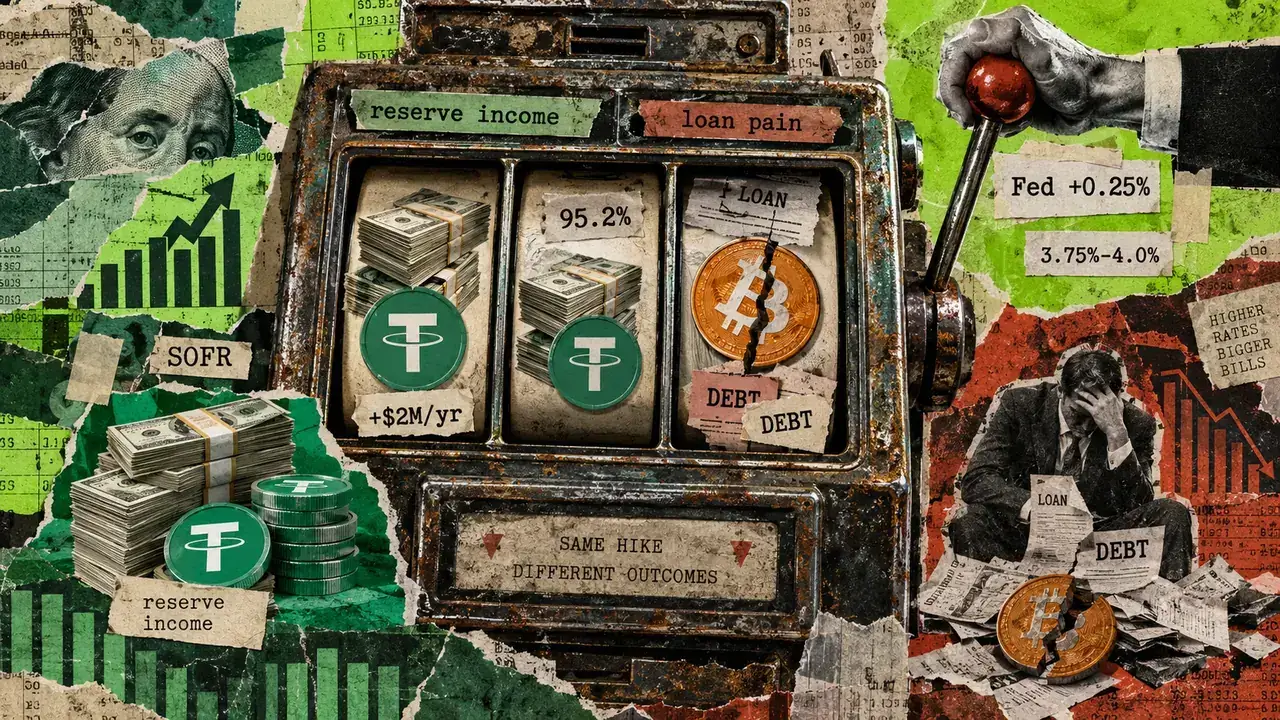
The same Fed rate hike can help stablecoins and hurt Bitcoin borrowers
When you hold a dollar stablecoin, somebody else may be earning interest on the assets backing your balance, while a company borro...
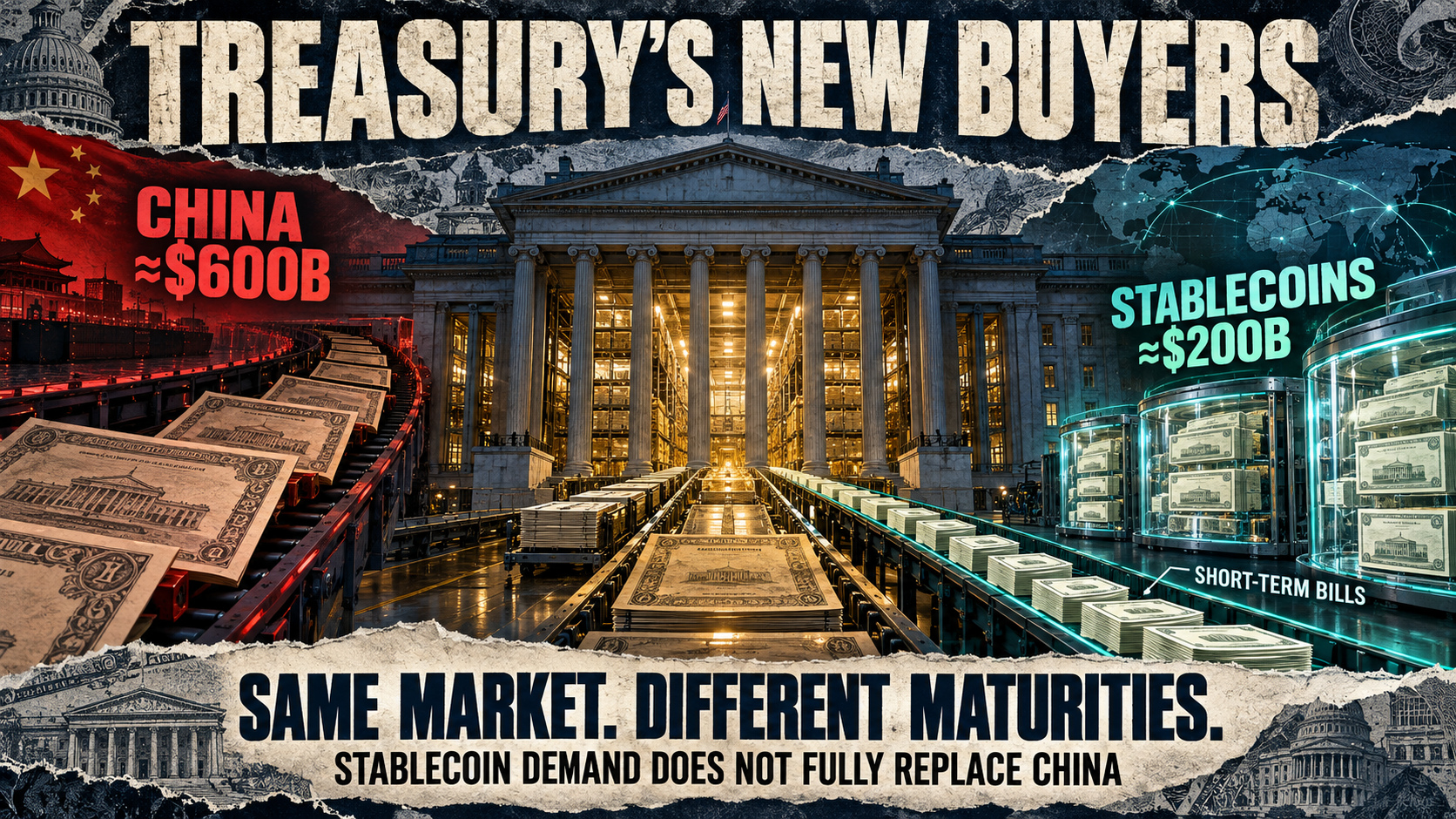
Stablecoin issuers have replaced 40% of China’s lost US Treasury demand
Stablecoin issuers are emerging as a new source of demand for US government debt as foreign official holdings lose ground. Tether...

Tokenized Stocks, Investor Rights, and Their Crypto Role
Tokenized stocks could give crypto-native investors access to equity exposure through crypto platforms, but a token that tracks a...

Hester Peirce departs SEC after years of advocating for digital assets
Peirce's departure leaves the SEC with a narrowed perspective, potentially impacting future crypto regulation and innovation initi...