Swiss Regulator Probes FIFA’s 2026 World Cup Token Sales
Switzerland’s gambling watchdog has launched a review into FIFA’s “Right-to-Buy” tokens for the 2026 World Cup, examining whether the digital assets fall under the country’s strict gambling laws. Key Takeaways: Swiss reg...
Archive context
Older archive item. Useful for background and entity history, but not a fresh market-moving signal.
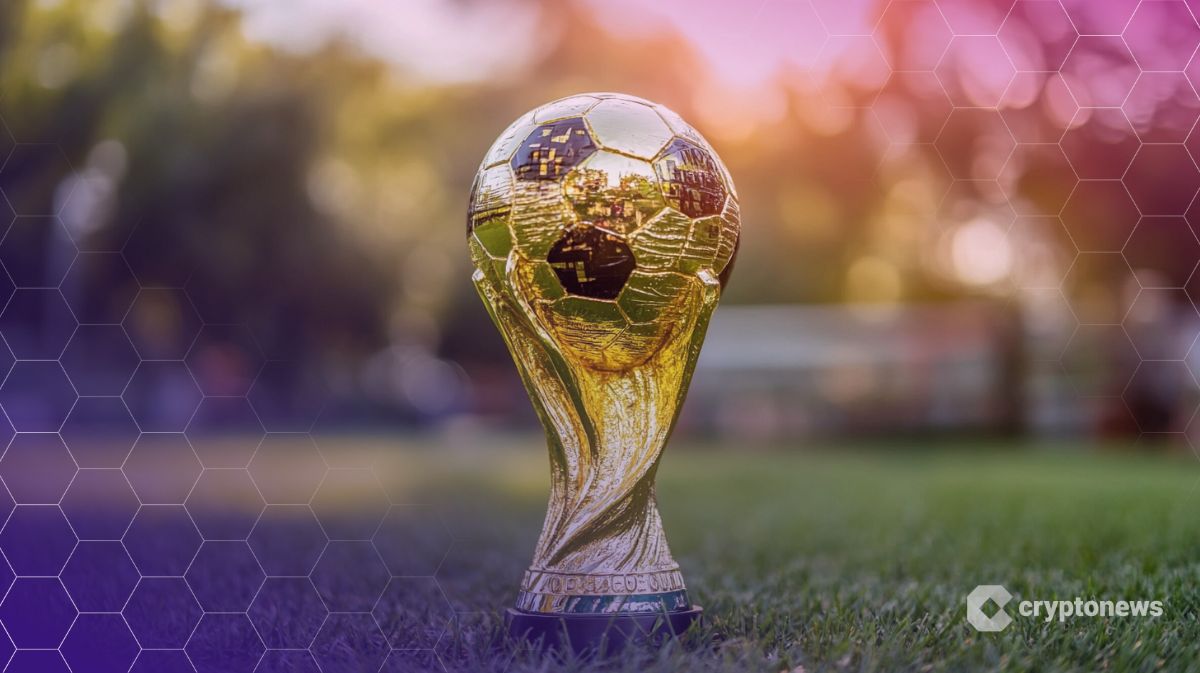
Switzerland’s gambling watchdog has launched a review into FIFA’s “Right-to-Buy” tokens for the 2026 World Cup, examining whether the digital assets fall under the country’s strict gambling laws.
Key Takeaways:
- Swiss regulator Gespa is reviewing FIFA’s Right-to-Buy tokens to determine if they fall under gambling laws.
- The tokens grant holders a conditional right to buy World Cup tickets if their selected team qualifies.
- FIFA has migrated its NFT infrastructure from Algorand to Avalanche to enhance scalability and fan engagement.
The probe, first reported by Bloomberg, is still in its early stages and does not allege any wrongdoing.
Swiss Regulator Reviews FIFA NFTs for Gambling RiskThe Swiss authority, Gespa, confirmed it is currently assessing if the tokens, which can be purchased and traded on FIFA’s NFT marketplace, resemble gambling products or are simply conditional rights to buy tickets.
Manuel Richard, Gespa’s director, told Bloomberg that the regulator is in a fact-gathering phase and has not received any formal complaints.
Marketed as non-fungible tokens (NFTs), FIFA’s RTB tokens reserve the right to purchase tickets for specific matches if certain conditions are met.
These are not tickets themselves but grant holders a guaranteed purchase window, at face value, should their selected team qualify for a given stage of the tournament.
The program was first introduced for the 2024 World Cup Final, offering 1,000 tokens linked to different national teams.
For 2026, token prices range from $299 to $999 based on a team’s likelihood of reaching the final.
FIFA selling $7K NFTs for *maybe* getting World Cup tickets? That's not innovation, that's just expensive lottery tickets with extra steps. Swiss regulators doing the math too – 99.9% chance this gets regulated into oblivion.
— ReSpin Casino (@ReSpinCasino) October 7, 2025Underdogs are priced lower, while tournament favorites like Brazil, Argentina, and England carry higher price tags. Many of the tokens are already sold out.
FIFA developed the program to address demand pressure for high-profile games. During the 2022 Qatar World Cup, 3.4 million tickets were available, but 23 million were requested, the organization reported.
The RTB tokens aim to create a more predictable and transparent way for fans to secure access to top matches.
FIFA’s Web3 infrastructure is powered by Modex, which operates the native marketplace. While the broader NFT market has cooled since its 2021–2022 peak, FIFA has continued expanding into the space.
Its digital assets span collectibles, access rights, and Web3 gaming.
After starting on the Algorand blockchain, FIFA migrated its NFT ecosystem to Avalanche in May 2025. This move includes deploying its marketplace and launching a dedicated Avalanche Subnet designed to handle large traffic spikes around global tournaments.
Francesco Abbate, CEO of Modex and FIFA Collect, noted that Avalanche’s EVM-compatible AvaCloud stack allows for better integration with digital wallets and apps.
FIFA Expands Into NFT Gaming With ‘FIFA Rivals’ AppBeyond tokenized tickets, FIFA has embraced NFT-based gaming through its “FIFA Rivals” mobile title, developed with Mythical Games. The app lets users manage clubs and trade player cards on-chain.
In May, FIFA officially migrated its NFT platform, FIFA Collect, to a custom Avalanche Layer-1 blockchain, ending its partnership with Algorand.
The move aims to boost speed, scalability, and user experience for over five billion fans, with support for EVM wallets like MetaMask.
FIFA’s move to establish its blockchain infrastructure aligns with a growing trend among traditional sports organizations turning to Web3 to deepen fan engagement and explore new revenue models.
In 2021, the NBA’s Top Shot initiative with Dapper Labs demonstrated the viability of large-scale digital collectibles. Other major leagues, including the NFL and MLB, have also launched various NFT-based projects.
The post Swiss Regulator Probes FIFA’s 2026 World Cup Token Sales appeared first on Cryptonews.
Why this matters
This cryptocurrency story adds another data point to the current market tape and is useful when read alongside nearby source coverage.
Original source
Read on CryptonewsRelated market context
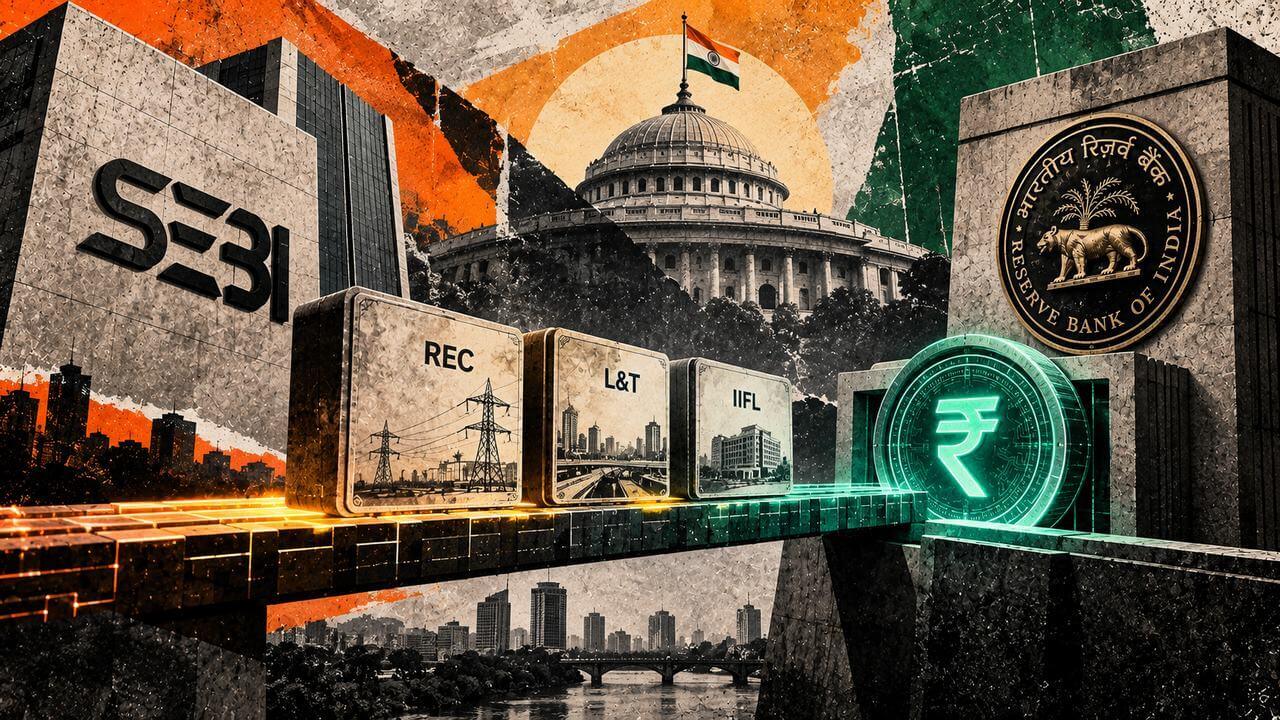
India’s tokenized bond pilot starts with institutions, with retail access planned next
India’s securities regulator has launched a pilot that places corporate bonds and their cash settlement on linked digital rails, m...

Coinbase CEO Targets $70T US Stocks With Fully Backed Tokenized Equities Push
Key Takeaways: Coinbase CEO Brian Armstrong claims that the exchange’s token stocks represent actual securitie, and not synthetic...

Kraken Launches xStocks Vaults With Up to 2% Yield on Tokenized Stocks and ETFs Now
Key Takeaways: Kraken introduces xStocks Vaults to earn onchain yield on tokenized exposure to SPY, Nasdaq-100 and NVIDIA. Users c...

SEC Stock-Token Exemption Will Likely Let Companies Opt Out, Securitize’s Brett Redfearn Says
Brett Redfearn, president of Securitize and director of the SEC’s Division of Trading and Markets from 2017 to 2020, expects the a...

Wyoming Stable Token Commission cites LayerZero security failures in switch to Chainlink CCIP
Wyoming's switch to Chainlink CCIP underscores the critical need for robust security in state-backed digital asset infrastructure....

Centrifuge to release RWA report on tokenized money market funds’ structural differences
The report highlights the critical need for improved composability and regulatory clarity to fully integrate tokenized funds into...