UK Tables New Bill to Clarify Legal Status of Digital Assets
UK lawmakers introduced a bill in Parliament yesterday (Wednesday) that defines digital assets as “personal property” and categorises them as “things.” The proposed Property (Digital Assets etc) Bill would specify the ca...
Archive context
Older archive item. Useful for background and entity history, but not a fresh market-moving signal.

UK lawmakers introduced a bill in Parliament yesterday (Wednesday) that defines digital assets as “personal property” and categorises them as “things.” The proposed Property (Digital Assets etc) Bill would specify the category of digital holdings, including cryptocurrency, non-fungible tokens (NFTs) like digital art, and carbon credits.
Legally Defining Digital Assets
According to the official press release on Wednesday, the proposed legislation aims to advance the country’s laws on digital assets. It would define digital assets that are not currently classified under existing laws and are in a legal grey area.
The UK government further pointed out that “digital assets” is an extremely broad term, encompassing a variety of items, including digital files, records, and email accounts. However, the tabled bill will only apply to a subset of digital assets, specifically cryptotokens.
“Things”
If passed, the bill would create a new category of “things,” granting certain digital assets personal property rights. Under current UK laws, property is categorised in two ways: “things in possession,” which include assets like gold, money, and cars, and “things in action,” such as debts and shares.
“Our world-leading legal services form a vital part of our economy, helping to drive growth and keep Britain at the heart of the international legal industry,” said Justice Minister Heidi Alexander. “It is essential that the law keeps pace with evolving technologies, and this legislation will enable the sector to maintain its position as a global leader in cryptoassets and bring clarity to complex property cases.”
The bill is a response to the Law Commission’s 2023 report, which was commissioned to address barriers to recognising digital assets as property. The UK government also argued that the proposed legislation would offer legal protection to owners and companies against fraud and scams and would help judges resolve complex digital asset disputes.
Meanwhile, the UK's Financial Conduct Authority recently revealed that it rejected over 87 percent of cryptocurrency registration applications in its latest review.
This article was written by Arnab Shome at www.financemagnates.com.Why this matters
This cryptocurrency story adds another data point to the current market tape and is useful when read alongside nearby source coverage.
Original source
Read on Finance MagnatesRelated market context
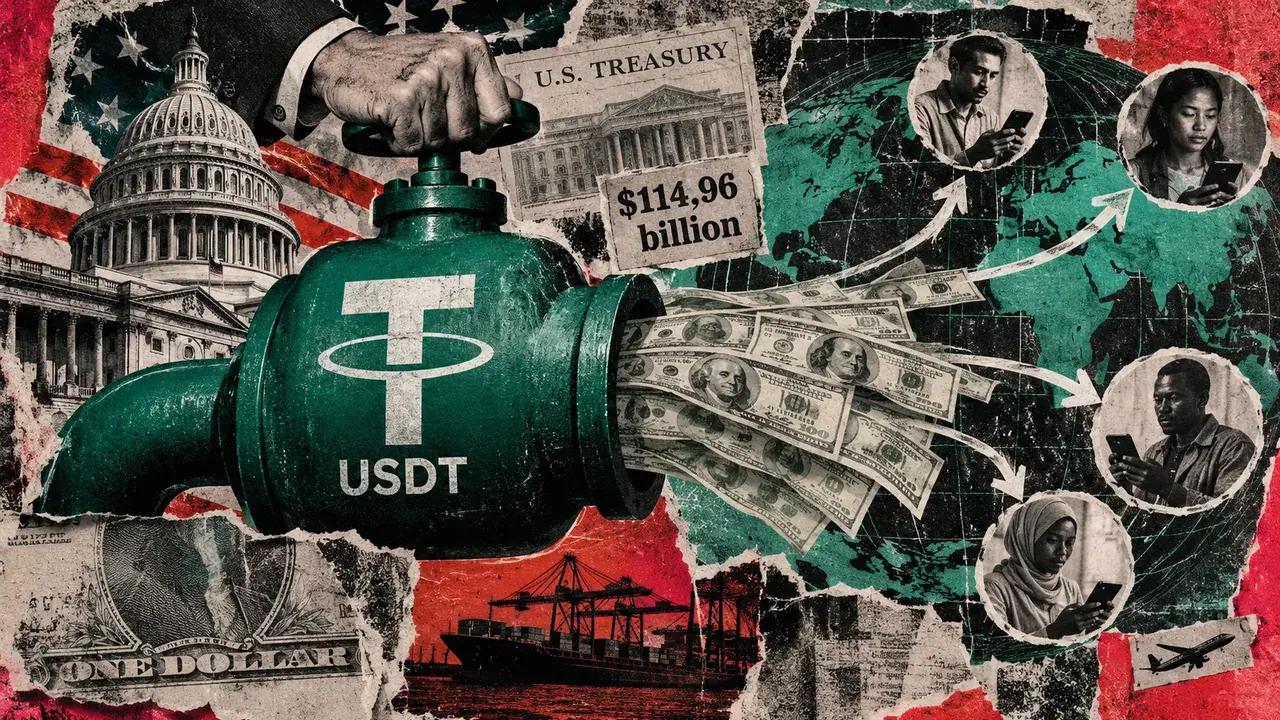
Washington has $114 billion reasons to want Tether around
Not that long ago, Washington fined Tether for misleading people about the dollars behind its tokens. Today, the company's insatia...

Strategy’s Michael Saylor proposes bill of digital rights for future economy
Saylor's digital rights proposal could democratize capital access, fostering innovation and competition by reducing reliance on tr...

Fed proposed stablecoin rule could trigger a 48-hour liquidation run
The Federal Reserve's proposed rules for the payment stablecoin issuers it supervises include a crisis clock measured in hours. An...

New York Sues Polymarket Over Alleged Illegal Gambling Operation
New York Attorney General Letitia James and Governor Kathy Hochul have announced a lawsuit against Polymarket US. The state allege...
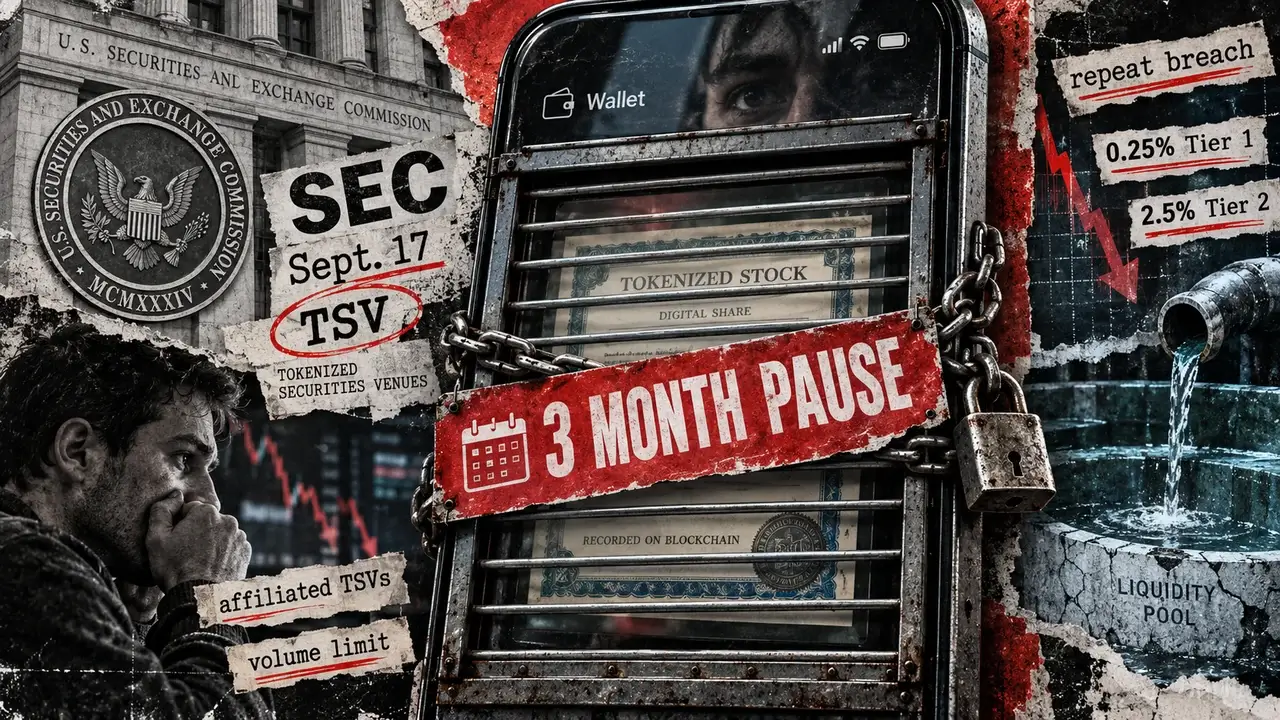
Why your tokenized stock could stop trading for three months
Buying a tokenized stock sounds as though it should be simple. You pick a company you know, buy a token representing its shares, a...
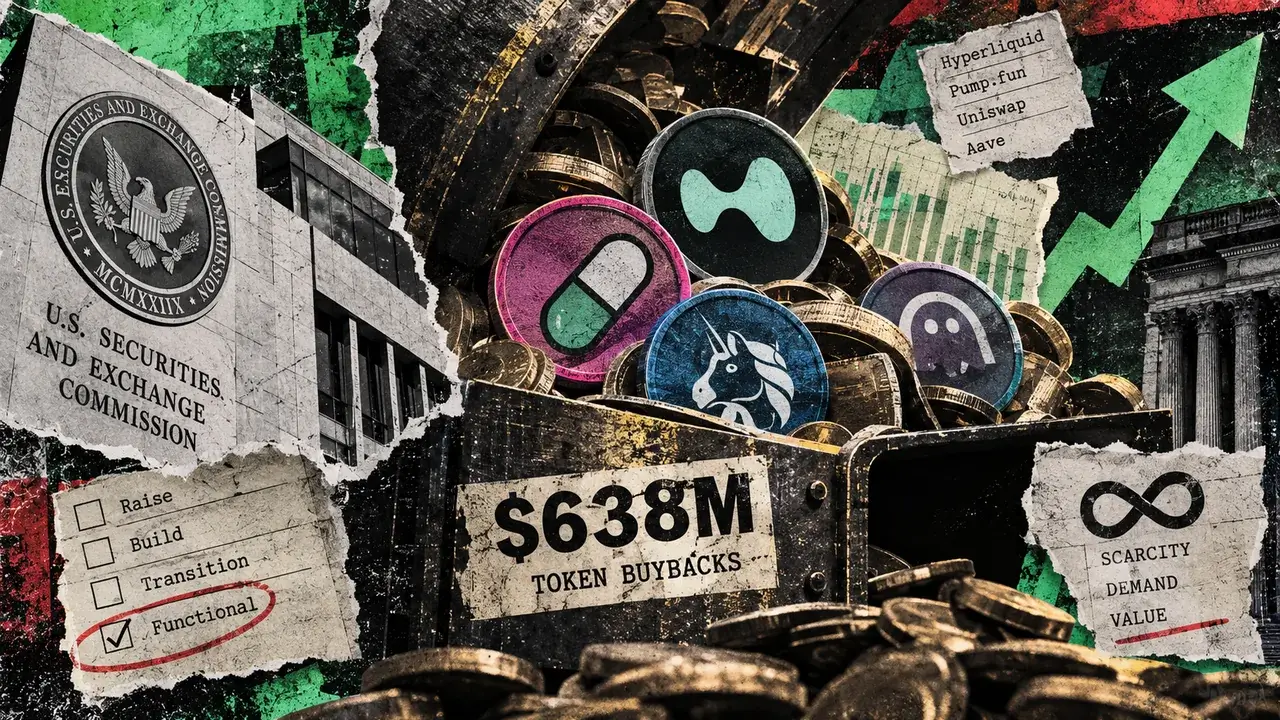
SEC clears regulatory hurdle as crypto token buybacks hit record $638 million
Crypto projects spent about $638 million with token buybacks through late August 2026, according to Allium Labs data. That is alre...