US Banks Can Now Buy and Sell Customers’ Crypto Assets: OCC Clarifies
The US Office of the Comptroller of the Currency (OCC), which regulates national banks, has clarified that institutions under its oversight can now buy and sell crypto assets on behalf of their customers. This update was...
Archive context
Older archive item. Useful for background and entity history, but not a fresh market-moving signal.

The US Office of the Comptroller of the Currency (OCC), which regulates national banks, has clarified that institutions under its oversight can now buy and sell crypto assets on behalf of their customers. This update was confirmed in an interpretive letter published yesterday (Wednesday).
In addition, the OCC stated that national banks may outsource crypto-asset services to third parties, including custody and trade execution, provided those third parties maintain sound risk management practices.
Banks Can Now Handle Customers’ Crypto Holdings
The latest OCC letter follows a similar directive issued in March, which rescinded the 2021 policy requiring banks to seek prior supervisory approval before engaging in crypto-related services.
“The services national banks may provide in relation to the cryptocurrency they are custodying may include services such as facilitating the customer’s cryptocurrency and fiat currency exchange transactions, transaction settlement, trade execution, recordkeeping, valuation, tax services, reporting, or other appropriate services,” the March letter stated.
It further clarified: “A bank acting as custodian may engage a sub-custodian for cryptocurrency it holds on behalf of customers and should develop processes to ensure that the sub-custodian’s operations have proper internal controls to protect the customer’s cryptocurrency.”
The US Crypto Landscape Is Shifting
Meanwhile, the Federal Reserve recently dropped its supervisory guidelines that previously required American banks to notify it in advance of any crypto-asset activities. Banks are also no longer required to obtain formal approval from the Fed before engaging in stablecoin-related operations.
The decisions by both US regulators reflect the broader shift toward more crypto-friendly policies under the Trump administration.
President Donald Trump appointed Paul Atkins as the new Chair of the Securities and Exchange Commission (SEC), the agency known for its enforcement actions against crypto companies. Following the departure of former Chair Gary Gensler, the SEC has withdrawn several high-profile crypto lawsuits and investigations.
At the federal level, Trump has also formed a working group to review crypto regulations and ordered the creation of a national Bitcoin reserve.
This article was written by Arnab Shome at www.financemagnates.com.Why this matters
This cryptocurrency story adds another data point to the current market tape and is useful when read alongside nearby source coverage.
Original source
Read on Finance MagnatesRelated market context

USDT on TRON Becomes Most Used Onchain Payment Option on CoinsBee as Stablecoin Spending Grows
CoinsBee payment data shows USDT on TRON recorded nearly twice as many payments as Bitcoin over the past 90 days, while its share...
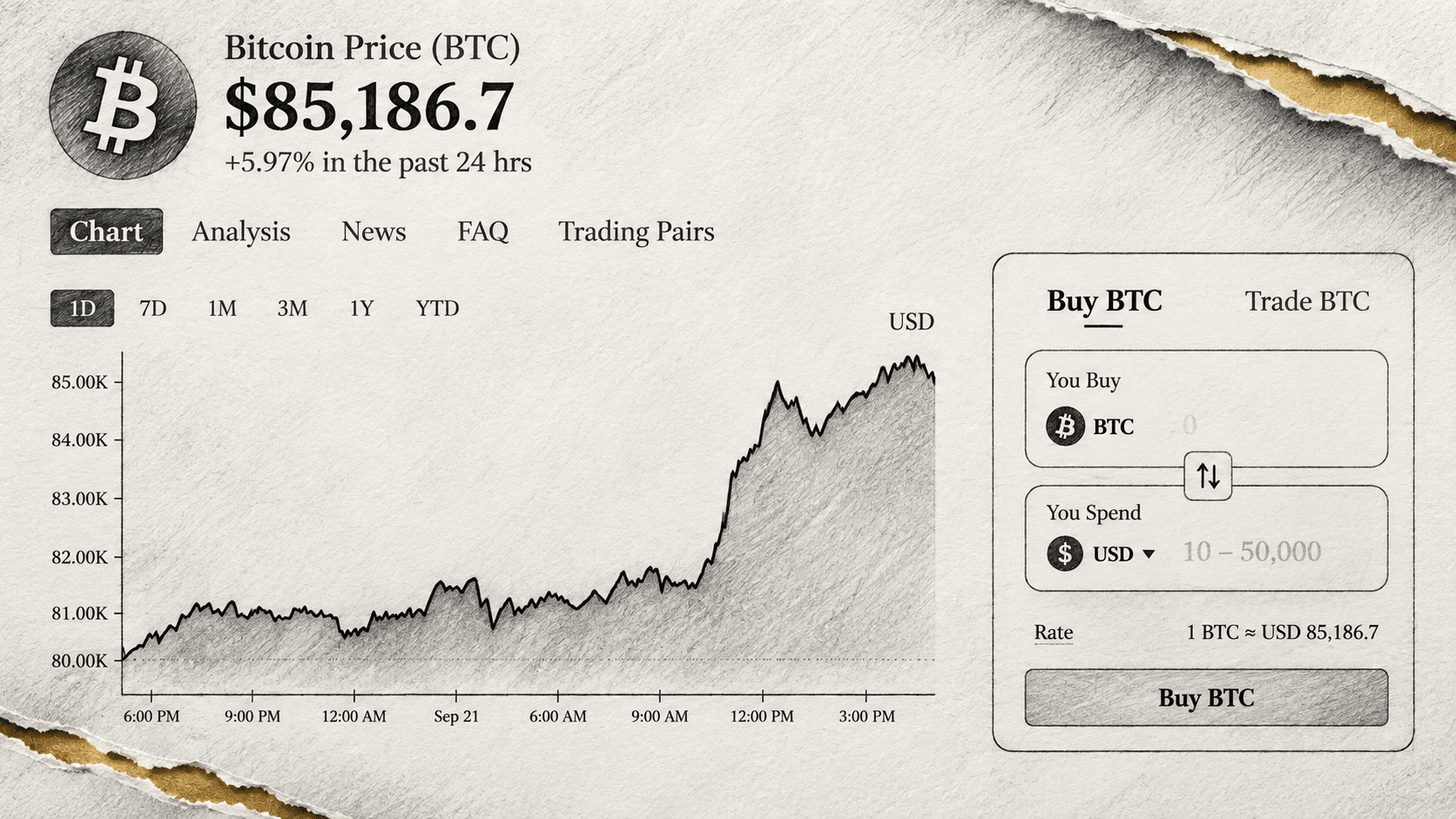
Bitcoin Clears $85,000 as Short Sellers Lose $635 Million in a Single Day
Bitcoin traded above $85,000 on Monday for the first time since January, and the move came at the expense of traders positioned ag...

Strategy Founder Michael Saylor Argues Clarity Act Collapse Is a Win
Bitcoin Magazine Strategy Founder Michael Saylor Argues Clarity Act Collapse Is a Win Bitcoin treasury founder and pioneer Michael...

EU staking review threatens crypto yields and network security could pay the price
Some of the most consequential financial rules begin with surprisingly little text. For example, on page 36 of the European Commis...
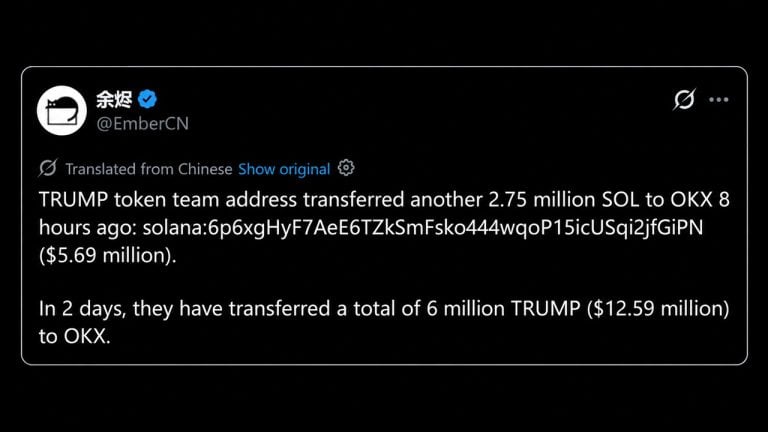
Trump Memecoin Team Sends 8.4M TRUMP to OKX as Bitcoin Price Nears $85K
Wallets tied to the Official Trump memecoin team have routed about 8.4 million TRUMP, worth roughly $18 million, into OKX deposit...

Circle Mint lets institutions borrow USDC against Bitcoin without selling their BTC
Circle Mint's new feature enables institutions to leverage BTC for liquidity, fostering DeFi growth and enhancing BTC's utility in...