‘Why the Wild West’ Crypto Market Faces and Needs Regulation
As cryptocurrencies such as Bitcoin crash and inflation causes prices to rise, investors are quickly moving to the sidelines, so as to avoid losing whatever they may have left. Countless people have lost their savings an...
Archive context
Older archive item. Useful for background and entity history, but not a fresh market-moving signal.

As cryptocurrencies such as Bitcoin crash and inflation causes prices to rise, investors are quickly moving to the sidelines, so as to avoid losing whatever they may have left. Countless people have lost their savings and investments in recent months, and it will take time for the market to recover, especially with a looming recession. Russia's war on Ukraine doesn't help matters and, as all markets are linked to world events, it becomes necessary to not only ride the wave but to anticipate the next one as well.
Bitcoin, long considered to be the safest of the numerous cryptocurrencies with a market cap of up to $385 billion, has plunged over 70 percent from an all-time high to a whopping low $19,895.75 this week. And, it may drop even further. This volatility has alarmed, well, pretty much everyone, and decision-makers are now seeking to limit the 'wild west' crypto market but putting legislation and rules in place to safeguard customers. The recent and ongoing crypto market mayhem has led governments to scrutinize the decentralized currency and better understand how to control it in order to create an organized standard.
Alternative coins, such as Ethereum, BNB, Solana, Ripple, Cardano and Dogecoin, have seen modest gains in recent days and together, the overall crypto market cap stands at approximately $900 billion. With this data in mind, speculators suggest that 'market tourists' have been scared off by the steep drop and seasoned investors can now expect to see some market stabilization.
However, that still leaves flummoxed governments in the dark. Lawmakers do not want to see volatile markets and a developing movement to regulate cryptocurrencies has gained steam in recent months. But, how can governments regulate blockchain technologies such as cryptocurrencies? The entire point is that they are decentralized, not run by a central government or authority.
There are a few ways governments can control the market, and one of them is by taxing any money investors receive by cashing out a virtual token. According to The NYU Dispatch, “much of the proposed regulations being mulled around the world comes on the fears of a dangerous speculative bubble that many fear could harm the nation if cryptocurrency commodities tumble.”
In April, the UK government announced its intention to become a global center for crypto-assets technology and a desired location for cryptocurrency businesses to operate. To achieve this, however, the government wants to strike a “delicate regulatory balance between preventing financial crime and protecting consumers while still allowing cryptocurrencies to thrive,” according to The Coin Republic.
For this reason, John Glen, the UK Treasury’s Economic Secretary has expressed interest in Stablecoin, which is regulated and provides low-cost, rapid, borderless transactions and is backed by other assets, which makes it more stable. However, the need to balance financial regulation with innovation is challenging, and experts have been searching for solutions to this dilemma for several years already.
The very nature of blockchain technology and cryptocurrencies, in particular, is that they have no central issuer, no control over supply and demand and no central organization on which to impose regulatory requirements. But, little or no regulation can invite criminality, which has a direct effect on consumers and the economy. Money laundering remains a major concern, as well as theft from digital currency exchanges and malware attacks. Market volatility is also a major issue.
Thus, the regulation of cryptocurrency remains important in order to mitigate these risks and stabilize an otherwise unstable playing field. For digital currencies to be accepted as payment for goods and services, anti-financial crime measures must be put in place and enforceable. Consumers must have protection and criminals must be deterred.
It is clear that there exists no shortage of considerable challenges to regulating cryptocurrencies that have yet to be overcome. But, if the current market volatility suggests anything, and for the future of cryptocurrency as a widely-accepted form of trade for goods and services to work, some regulatory measures must be put in place. Then, perhaps, we can see some stability in the cryptocurrency markets.
This article was written by Daniel Elliot at www.financemagnates.com.Why this matters
This cryptocurrency story adds another data point to the current market tape and is useful when read alongside nearby source coverage.
Original source
Read on Finance MagnatesRelated market context

SEC changes token buyback guidance as spending hits $638M
The US Securities and Exchange Commission tightened its guidance for crypto token buybacks just three days after publishing it. On...
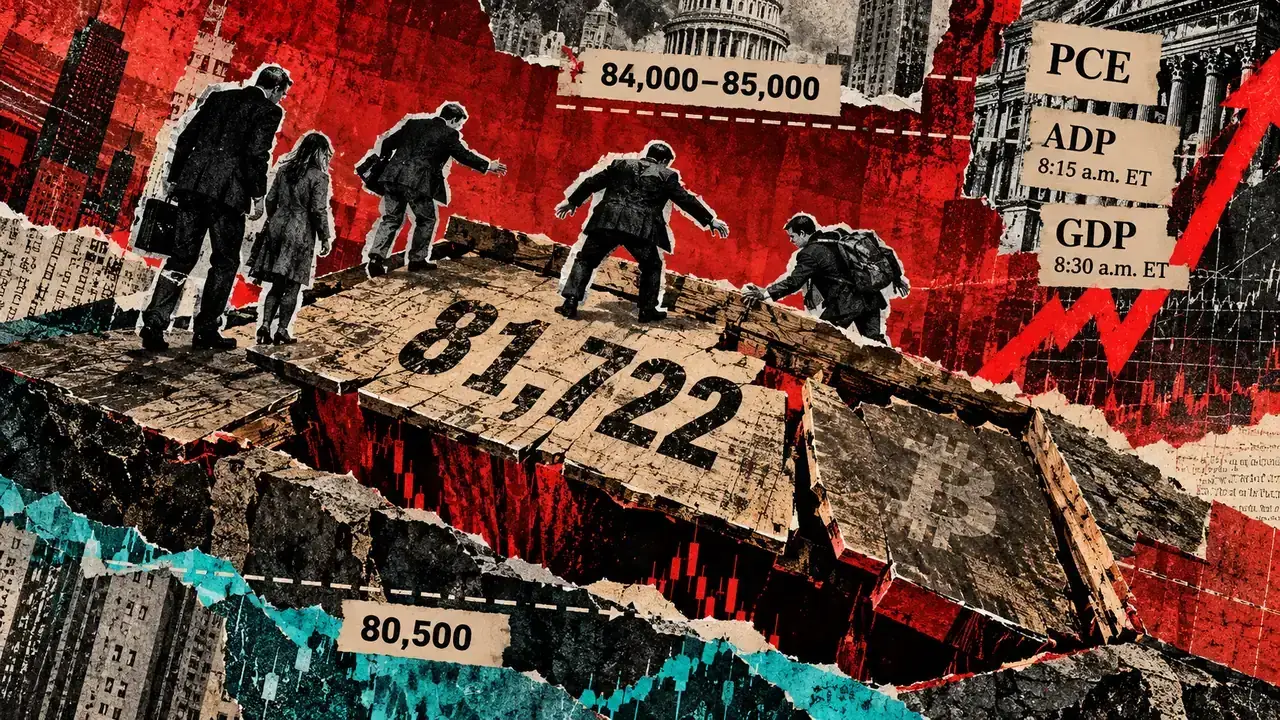
Bitcoin could put the average ETF buyer back in losses this week
Bitcoin registered an intraday low of $82,775.94 on Sept. 29 before rebounding above $83,000, close to a price that could change t...

Aave’s $50 million lending plan could lose money without a single default
Aave’s proposed institutional lending business would put crypto collateral on both sides of the financing chain. Institutions woul...

Standard Chartered says Ethena’s ENA could crush Bitcoin and Ethereum returns by 2028
Standard Chartered expects Ethena’s ENA token to rise about sevenfold by 2028, provided the protocol can rebuild its shrinking syn...
Bitcoin Surges 40% in Its Best Quarter Since Late 2024
Bitcoin Magazine Bitcoin Surges 40% in Its Best Quarter Since Late 2024 Bitcoin is having one of its best quarters ever — another...
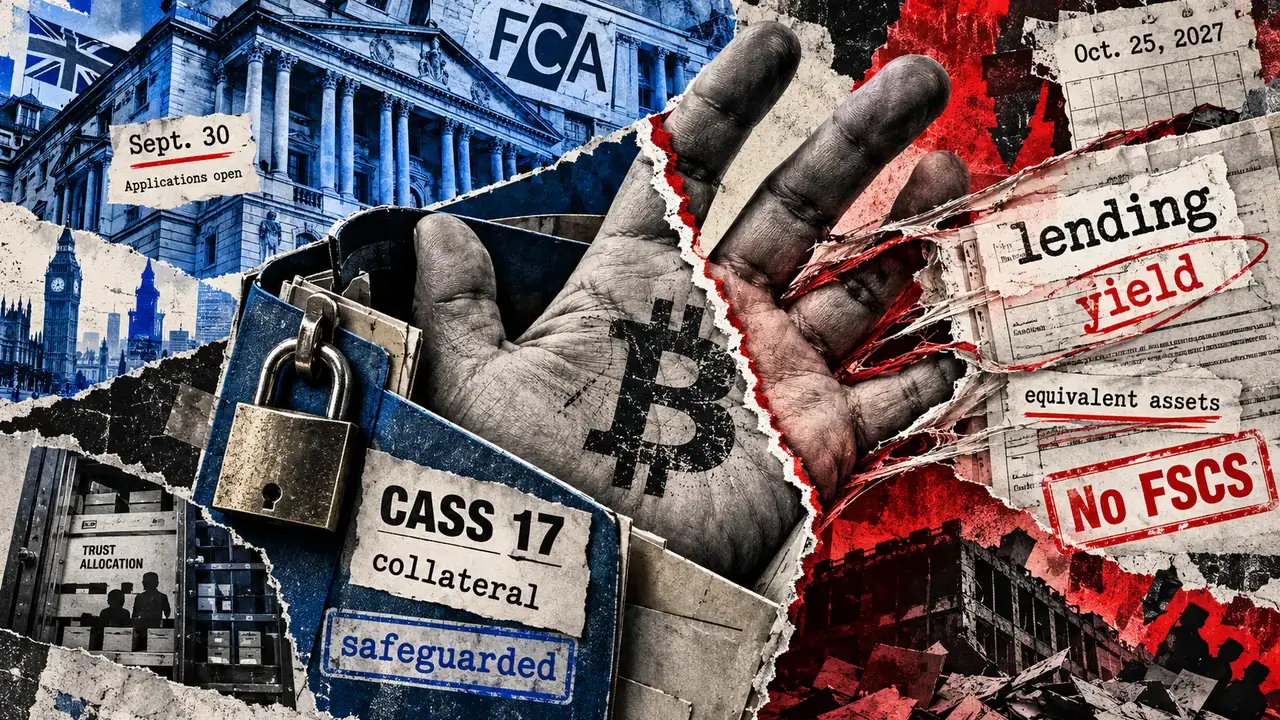
UK’s 2027 crypto rules let firms remove trust protection from Bitcoin lent for yield
UK crypto firms can now apply for authorization as of Sept. 30, bringing Bitcoin holders closer to a rulebook that will treat coin...