Yearly Low: Ethereum’s Gas Fees Drive ETH Burn
Ethereum (ETH) witnessed a significant decline in daily ETH burned, hitting a yearly low primarily due to decreased gas fees. Gas fees currently range between 5 and 10 gwei, marking one of the lowest levels observed this...
Archive context
Older archive item. Useful for background and entity history, but not a fresh market-moving signal.
Ethereum (ETH) witnessed a significant decline in daily ETH burned, hitting a yearly low primarily due to decreased gas fees. Gas fees currently range between 5 and 10 gwei, marking one of the lowest levels observed this year.
The Ethereum network experiences a notable decrease in the daily volume of ETH burned, reaching its lowest point this year, largely influenced by a recent decline in average gas fees. Presently, gas fees fluctuate between 5 and 10 gwei, representing one of the lowest levels recorded year-to-date and impacting ETH issuance.
The reduction in network fees translates to a decrease in ETH burned. On Sunday, only 610 ETH were burned, marking a record low for the year, while Ethereum’s gas fees remained minimal. In contrast, the daily volume of ETH burned during the first four months of this year consistently exceeded 2,500–3,000 ETH.
The ongoing decline in gas fees is attributed partly to a shift in activity towards Layer 2 scaling solutions and the increasing adoption of blob transactions introduced with the Dencun upgrade in March, which helps alleviate transaction costs on Layer 2s.
The dynamics of gas fees and ETH burning are closely monitored aspects of the network’s economic model. While low fees benefit network users, the recent decrease in ETH burn impacts Ethereum’s deflationary characteristics.
The London hard fork, also known as EIP-1559, implemented in August 2021, fundamentally altered Ethereum’s fee structure. The upgrade introduced a base fee that is burned and a priority fee acting as a tip to validators. As the base fee correlates with network usage, higher fees result in a greater amount of ETH being removed from circulation through burning.
In the past week, Ethereum’s supply has turned inflationary, with a growth rate of 0.49%, contrasting its previous deflationary trend, as reported by ultrasound.money. If activity surges and more ETH is burned than issued, Ethereum will return to a deflationary state.
Featured Image: Freepik
Why this matters
This ethereum story adds another data point to the current market tape and is useful when read alongside nearby source coverage.
Original source
Read on CryptoCurrencyNewsRelated market context
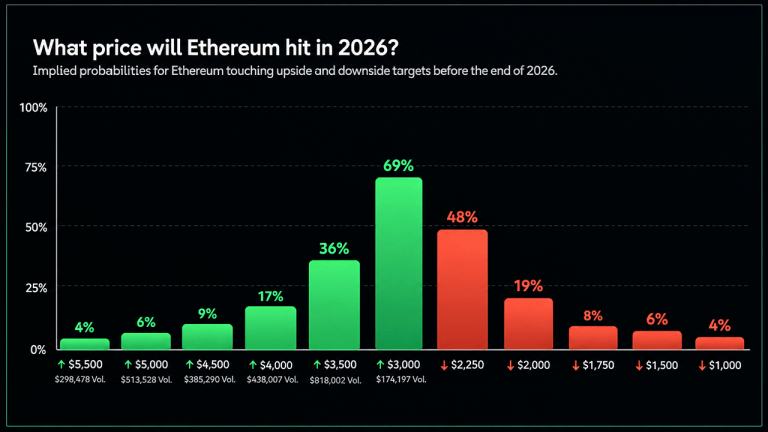
Ethereum, Solana and Zcash Face Wild Year-End Price Predictions
Three cryptocurrencies, three very different bets and millions of dollars riding on what happens before New Year’s Day. Prediction...

PeerDAS has operated successfully for nearly a year on Ethereum
PeerDAS enhances Ethereum's scalability and decentralization, reducing transaction costs and enabling broader participation withou...
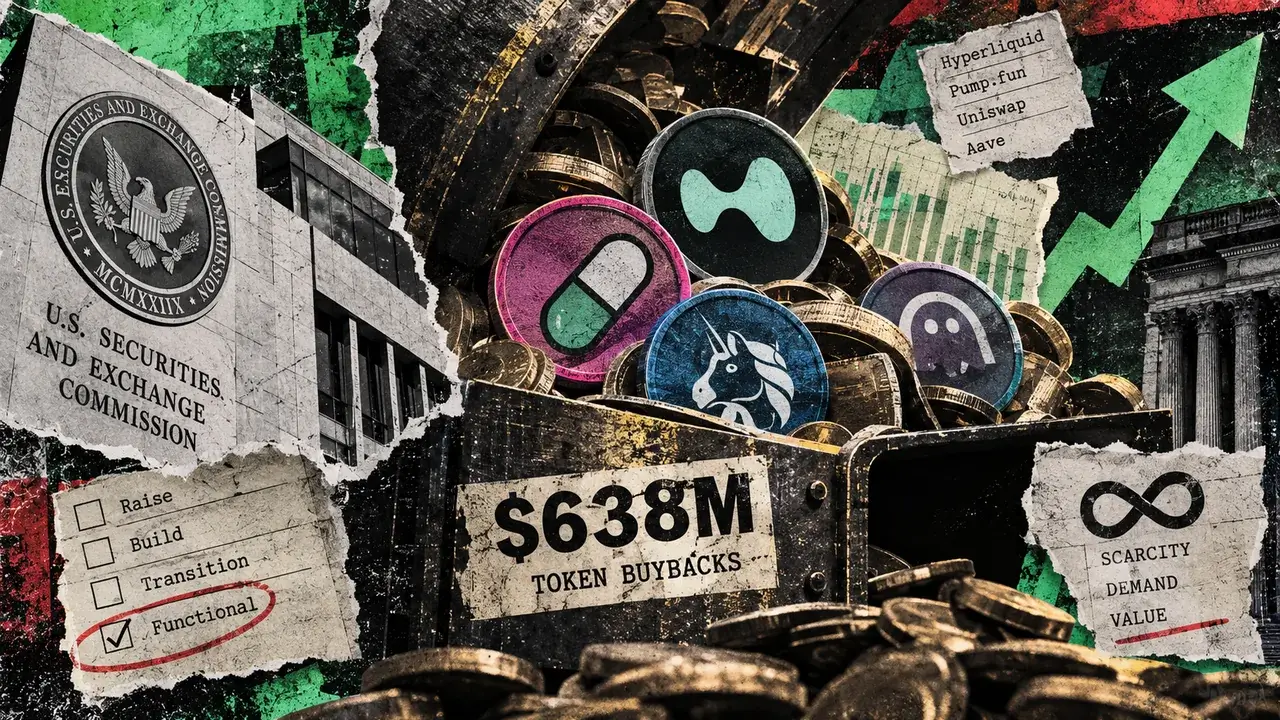
SEC clears regulatory hurdle as crypto token buybacks hit record $638 million
Crypto projects spent about $638 million with token buybacks through late August 2026, according to Allium Labs data. That is alre...

Ripple CEO Brad Garlinghouse Says XRP and Solana Can Both Thrive in Crypto’s Next 5 Years
Garlinghouse’s comments have resurfaced as XRP and Solana both trade near important technical levels following recent gains. “I’m...

SEC Clarifies When Crypto Buybacks And Network Upgrades Can Raise Securities Questions
TL;DR SEC staff has published new FAQs explaining how federal securities laws may apply to crypto-asset buybacks, network upgrades...

Elon Musk Grok AI Predicts a Bold Move for Ethereum in 2026
When prompted, the Elon Musk-backed Grok AI predicts a bold move for Ethereum (ETH) over the remainder of 2026. It claims that if...