Bitcoin Miner Revenue Rapidly Falling, What Happens Next?
Bitcoin miners are churning less in revenue, looking at trackers on August 28. According to Hashrate Index data, a platform that tracks the correlation between hash rate and revenue accrued by miners over time, income ge...
Archive context
Older archive item. Useful for background and entity history, but not a fresh market-moving signal.

Bitcoin miners are churning less in revenue, looking at trackers on August 28. According to Hashrate Index data, a platform that tracks the correlation between hash rate and revenue accrued by miners over time, income generated from Bitcoin mining operations is at near record lows.
Bitcoin Miner Revenue DecliningAt $0.059 per Tera Hash (TH) daily, the trend doesn’t look exciting for Bitcoin miners as it is cents away from $0.056, a level recorded in late November 2022.
At the depth of last year’s crypto winter when prices fell, cracking below $16,000, hash price, which measures the potential revenue expected from deploying 1 Tera Hash of hash rate to the Bitcoin network per day, crumbled to the lowest point in three years.
While BTC supporters are optimistic, expecting prices to recover in the second half of 2023, miners must contend with lower revenue. How this impacts their operations is yet to be seen because miners depend on income generated from deploying hash rate to cater for operational expenses and sometimes pay shareholders.
On May 8, the hash price rose to $0.095, the highest level in 2023, but has since contracted, dropping by over 40%. As the hash price falls, it could mean miners are having a hard time competing. The trend, as it is visible, comes when the hash rate has been rising to record levels as more miners power up their mining rigs.
Throughout 2023, the total Bitcoin hash rate, a metric measuring the computing power channeled to the network, rose from 269 EH/s in early January 2023 to 465 EH/s in early July 2023. The hash rate has since dropped around 329 EH/s, a level that’s still higher than 2022 highs.
More Rigs, Higher Hash RateWith a rising hash rate, the Bitcoin network automatically adjusted the mining difficulty to the highest level last week. Trackers show the network’s difficulty is now at 55.62 T, following a 6% increment.
For the better part of the year, difficulty levels have been rising amid an increase in hash rate. As prices recovered in January and the hash rate rose, the network increased difficulty levels by 10%, the highest spike this year.
Hash rate will likely continue rising in the months ahead. Tether Energy, an affiliate of Tether Holdings, issues USDT, plans to connect their rigs in Latin America. Their launch translates to more competition for existing miners, including Riot Blockchain.
Why this matters
This mining story adds another data point to the current market tape and is useful when read alongside nearby source coverage.
Original source
Read on NewsBTCRelated market context
Bitcoin Hashrate Reclaims One Zettahash As Mining Competition Rebounds
TL;DR: BlocksBridge reported Bitcoin’s seven-day hashrate above one zettahash in the week to October 22. Mining competition has re...
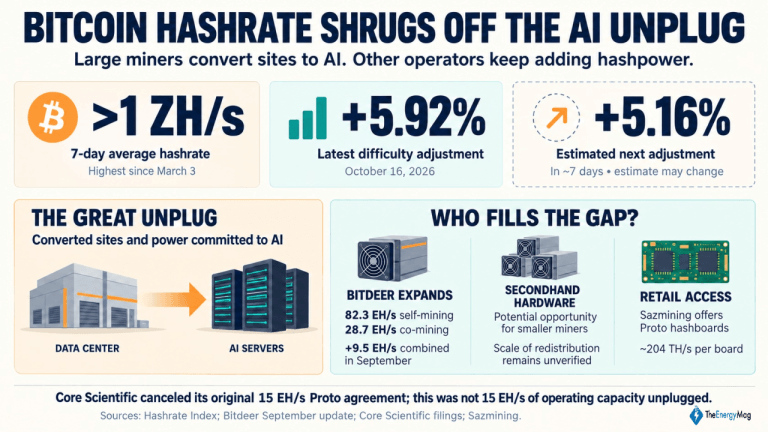
Miner Weekly: Bitcoin Hashrate Shrugs off the AI Unplug, Regaining 1 ZH/s Level
Big public miners are making room for artificial intelligence (AI). Bitcoin’s hashrate is climbing anyway. This article first appe...
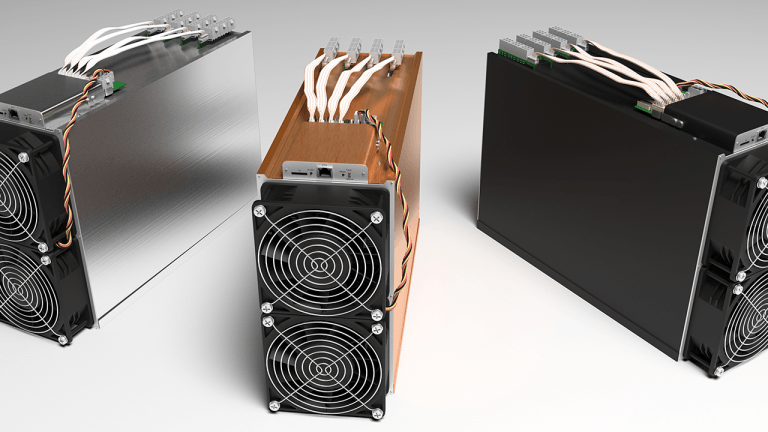
Bitcoin’s 7-Day Hashrate Returns to 1 ZH/s After Nearly 8 Months
Bitcoin’s computational firepower, measured by its network hashrate, has reclaimed the 1 zettahash per second (ZH/s) threshold, wi...

Bitdeer Reports 1,355 Bitcoin Mined In September While Building AI Capacity
TL;DR: Bitdeer says its September Bitcoin production reached 1,355 BTC, highlighting the miner’s expanding hash rate alongside sep...
NIP Group Signs Bitcoin Miner Purchase To Add 4.47 Exahash Of Capacity
TL;DR: NIP Group has agreed to purchase already deployed Bitcoin mining machines with about 4.47 EH/s of hash rate, subject to clo...
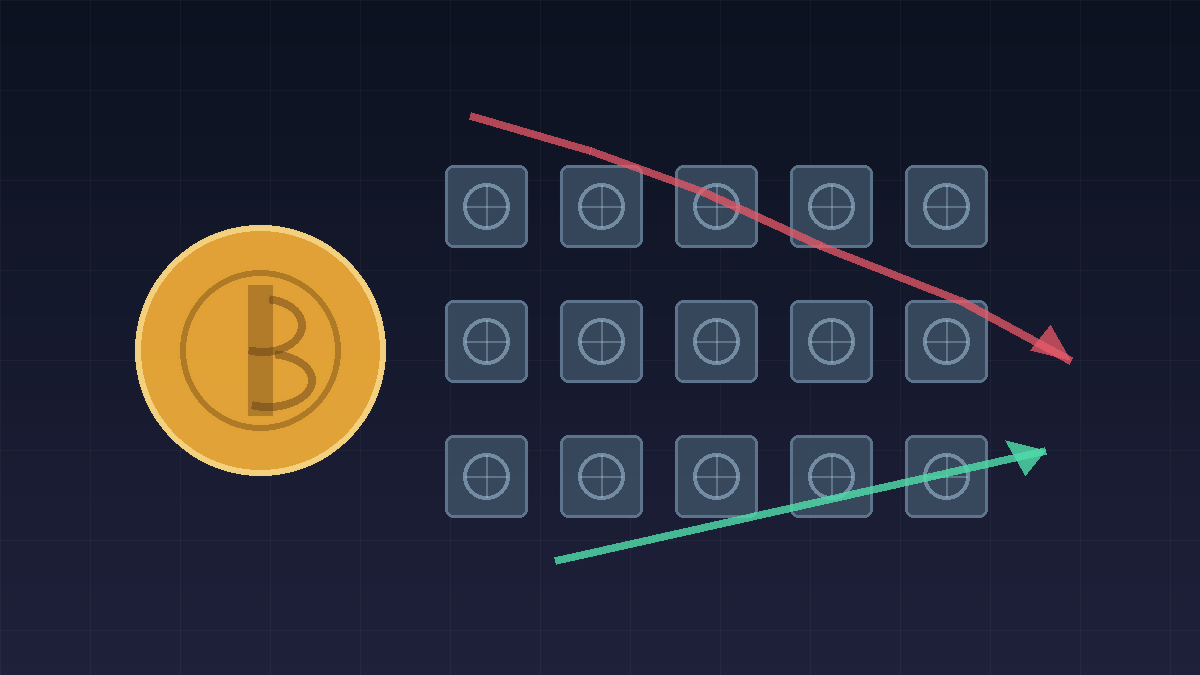
Tether Wins Mining Industry Support For Its Open Automation Toolkit
Tether is trying to make Bitcoin mining equipment easier to operate as one system. Its October 24 announcement brings 15 industry...