Kyrgyzstan's Crypto Mining Tax Revenue Halves to $535K in 2024
In 2024, Kyrgyzstan saw a significant drop in tax revenue from cryptocurrency mining, despite the global rise in crypto valuations. The country’s tax receipts from mining fell by 50% compared to 2023, according to Coinpe...
Archive context
Older archive item. Useful for background and entity history, but not a fresh market-moving signal.

In 2024, Kyrgyzstan saw a significant drop in tax revenue from cryptocurrency mining, despite the global rise in crypto valuations. The country’s tax receipts from mining fell by 50% compared to 2023, according to Coinpedia Fintech News.
The Ministry of Economy and Finance reported that Kyrgyzstan collected approximately $535,000 in mining taxes this year. This marked a sharp decline from the $1.08 million collected in 2023.
Mining Tax Revenue in Kyrgyzstan Declines
The revenue drop was evident early in the year. Between January and July 2024, tax revenue from mining fell by 29.7% compared to the same period in 2023.
Kyrgyzstan imposes a 10% tax on the electricity used by crypto miners, which also includes value-added tax (VAT) and sales tax. This tax structure initially contributed to higher revenue, especially in early 2023. The country collected $883,000 in the first few months of 2023, compared to $133,200 in the same months of 2022.
🚨 BREAKING: 🇰🇬 Kyrgyzstan’s untapped renewable energy resources could make it a future #Bitcoin mining powerhouse, even with a 50% YoY dip in crypto mining tax revenue. 🌐#Crypto #BitcoinMining #RenewableEnergy pic.twitter.com/CkcSB1xkp4
— Crypto News (CoinGape) (@CoinGapeMedia) December 27, 2024Regulatory Issues and Costs Impact Mining
The cause of the revenue decline remains unclear. Some experts suggest that regulatory uncertainties or reduced mining activity may be factors. Others point to changes in energy policies or rising costs, which could have affected the mining sector. Kyrgyzstan’s abundant hydroelectric power had previously made it a popular destination for crypto miners.
While the decline presents challenges, countries like Germany have implemented solutions to improve mining operations. German miners use excess renewable energy to power Bitcoin mining, reducing energy waste and stabilizing power grids. Kyrgyzstan could consider similar approaches to revitalize its mining industry and support the economy.
JUST IN: 🇷🇺 Russia to Ban Crypto Mining in 10 Regions for 6 Years Due to Energy Shortages Starting Jan 2025.Note: Crypto mining remains legal in Russia; the ban applies only to specified regions facing energy challenges. pic.twitter.com/nmJzwMNkC9
— Crypto India (@CryptooIndia) December 24, 2024Russia Implements Regional Cryptocurrency Mining Ban
Meanwhile, Russian authorities have approved a list of regions where cryptocurrency mining will be prohibited starting January 1, 2025. The ban, which will remain in place until March 15, 2031, affects 10 regions, including Dagestan, Ingushetia, Kabardino-Balkaria, Karachay-Cherkessia, North Ossetia, Chechnya, Donetsk, Lugansk, Zaporizhzhia, and Kherson, as reported by Finance Magnates.
Additionally, seasonal restrictions will be imposed in three Siberian regions—Irkutsk, Buryatia, and Zabaikalsky—during peak energy consumption periods, from January 1 to March 15, 2025, and annually from November 15 to March 15 thereafter. These measures are part of broader laws signed by President Vladimir Putin aimed at regulating energy use in cryptocurrency mining.
This article was written by Tareq Sikder at www.financemagnates.com.Why this matters
This mining story adds another data point to the current market tape and is useful when read alongside nearby source coverage.
Original source
Read on Finance MagnatesRelated market context

Bitcoin Is Busier Than Ever, but Bitcoin Mining Isn’t Getting Paid More
Bitcoin is processing more transactions than ever before on an annual basis, but the growing activity is doing little to improve o...
Bitcoin Hashrate Reclaims One Zettahash As Mining Competition Rebounds
TL;DR: BlocksBridge reported Bitcoin’s seven-day hashrate above one zettahash in the week to October 22. Mining competition has re...
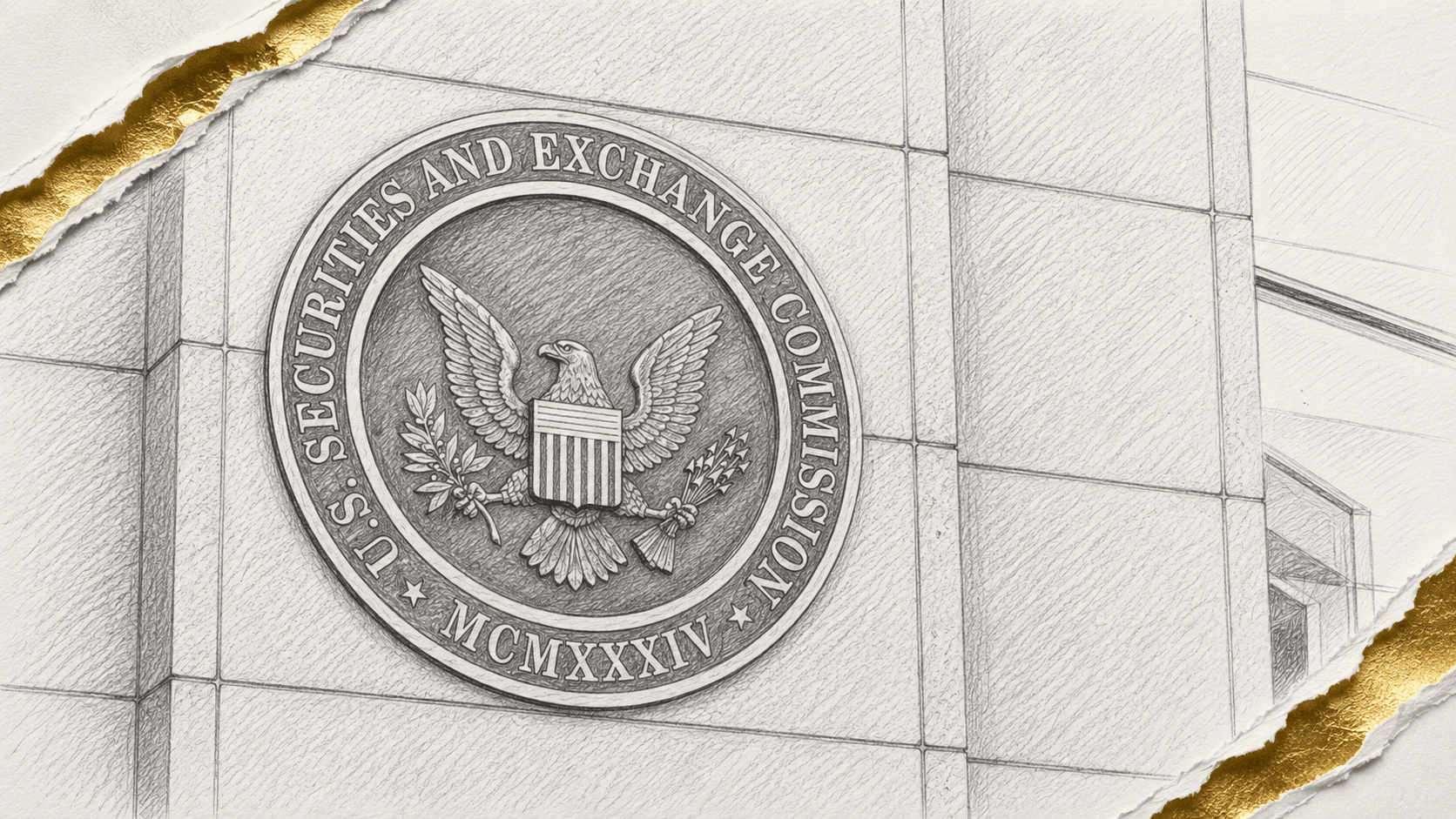
SEC Examiners Set Sights on Tokenization at Clearing Agencies for Fiscal 2027
The SEC’s Division of Examinations has named tokenization among the “high-risk areas” its staff will focus on when examining clear...

Tether Wins Mining Industry Support For Its Open Automation Toolkit
Tether is trying to make Bitcoin mining equipment easier to operate as one system. Its October 24 announcement brings 15 industry...

CME Posts Record Q3 Revenue As Crypto Derivatives Push Continues
TL;DR: CME reported record third-quarter revenue of about $1.74 billion on October 21. The results provide a fresh look at a major...

Blockchain Association Presses Congress on Crypto Taxes as Clarity Act Stalls
Bitcoin Magazine Blockchain Association Presses Congress on Crypto Taxes as Clarity Act Stalls The Blockchain Association sent a l...