Court in China Recognizes NFTs as Virtual Property Protected by Law
A court in the Chinese city of Hangzhou has determined that non-fungible tokens, or NFTs, represent virtual property protected by the laws in the People’s Republic. The ruling comes from a case over a dispute between a c...
Archive context
Older archive item. Useful for background and entity history, but not a fresh market-moving signal.

A court in the Chinese city of Hangzhou has determined that non-fungible tokens, or NFTs, represent virtual property protected by the laws in the People’s Republic. The ruling comes from a case over a dispute between a customer and a platform hired to sell a collection of tokens.
Hangzhou Internet Court Hears Case Involving Property Rights Over NFTsA court in Hangzhou, the capital of the eastern Chinese province of Zhejiang, has reviewed a dispute between a client and a local digital art platform which canceled a sale of NFTs on his behalf. The user sued the company claiming the operation was terminated without his consent.
The platform, which issued a refund, explained that its move had to do with the inaccurate personal information it received from the plaintiff. According to its know-your-customer procedures, orders placed without real-name authentication should be canceled, an announcement detailed.
The Hangzhou Internet Court said that NFT collections bear the characteristics of property rights such as value, scarcity, controllability, and tradability while the digital collectibles are virtual properties. In the statement, quoted by Chinese crypto journalist Colin Wu, also known as ‘Wu Blockchain’ on Twitter, the judicial authority also emphasized:
The contract involved in the case does not violate the laws and regulations of our country, nor does it violate the actual policy and regulatory guidance to prevent economic and financial risks, and should be protected by the law.
The court further elaborated that “as a virtual artwork, an NFT digital collection itself condenses the creator’s original expression of art and has the value of related intellectual property rights. At the same time, NFT digital collections are unique digital assets formed on the blockchain based on the trust and consensus mechanism between blockchain nodes.”
Therefore, the Hangzhou court concluded, NFT collections belong to the category of virtual property. It also expressed its position that the transaction in the case represents the business activity of selling digital goods through the internet, hence it belongs to e-commerce activities and should be regulated as such under China’s “E-commerce Law.”
Last year, the Chinese government launched a nationwide crackdown on crypto-related activities like the issuance, trading, and mining of digital coins such as bitcoin. While allowing NFTs to be issued, regulators tried to curb speculation with them. To avoid associations with the crypto space, they are often called “digital collectibles” rather than “non-fungible tokens.”
In April of this year, reports revealed that the popular Chinese messaging app Wechat is suspending accounts linked to NFTs. And in September, it became known that the National Copyright Administration of China (NCAC) had launched a campaign to crack down on copyright infringement and piracy through digital collectibles.
What future do you expect for NFTs in China? Share your thoughts on the subject in the comments section below.
Why this matters
This nft story adds another data point to the current market tape and is useful when read alongside nearby source coverage.
Original source
Read on Bitcoin NewsRelated market context

China Crypto Future: Solana Co. CEO Joseph Chee on Regulation
Solana Co. CEO Joseph Chee expects China eventually to accommodate more crypto activity under close regulation, a forecast he made...
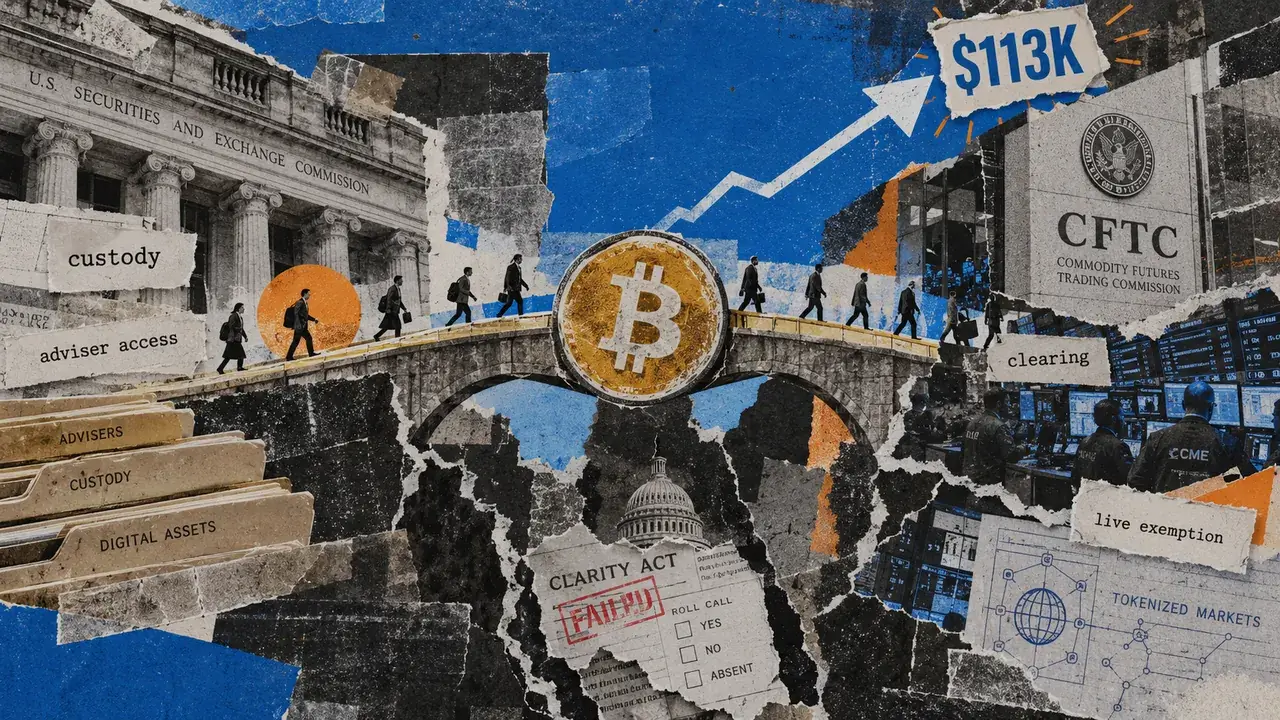
Bitcoin’s $113,000 case strengthens as US regulators push 9 crypto actions
The US Securities and Exchange Commission (SEC) proposed a custody framework on Oct. 1 that would let investment advisers and regu...

Fiserv Puts Stablecoin Banking Platform Live With North Dakota Roughrider Coin
TL;DR Fiserv says its digital-asset platform is now live with financial-institution clients. Bank of North Dakota’s dollar-backed...

Polymath And CineCity Explore Regulated Tokenized Film Investment Platform
TL;DR Polymath and Chicago-based CineCity Studios are exploring a platform for financing independent film through regulated digita...

Hester Peirce departs SEC after years of advocating for digital assets
Peirce's departure leaves the SEC with a narrowed perspective, potentially impacting future crypto regulation and innovation initi...

BNY weighs digital asset infrastructure deal with Kraken parent Payward: CoinDesk
A potential BNY-Payward partnership could significantly enhance crypto infrastructure, fostering greater integration with traditio...