NFTs and Intellectual Property
Non-fungible Tokens (NFTs) have taken the art world by storm, providing creators with a new way to sell and monetize their digital content. However, the rise of NFTs brings with it a new set of challenges and risks, part...
Archive context
Older archive item. Useful for background and entity history, but not a fresh market-moving signal.
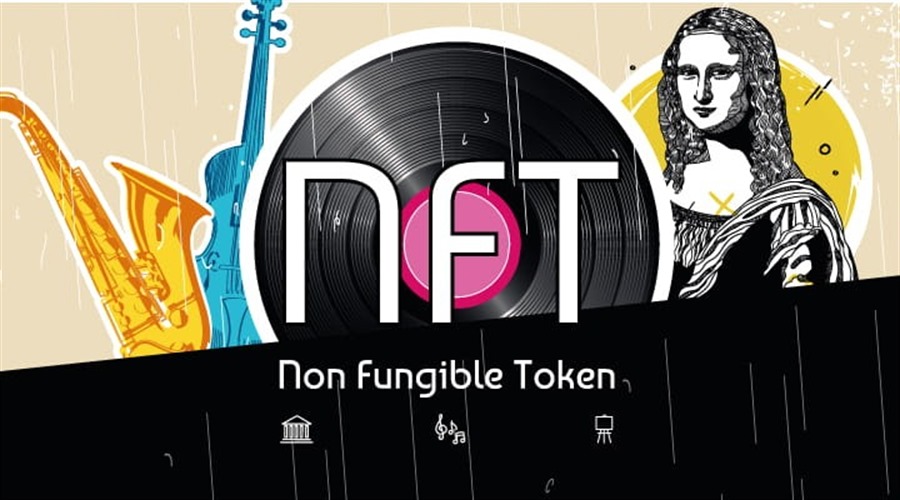
Non-fungible Tokens (NFTs) have taken the art world by storm, providing creators with a new way to sell and monetize their digital content. However, the rise of NFTs brings with it a new set of challenges and risks, particularly in terms of intellectual property (IP) rights.
In this article, we will look at the opportunities and risks that NFTs present for creators, as well as how they can protect their intellectual property rights.
Opportunities for Artists
NFTs provide numerous opportunities for creators, particularly those working in the digital art and entertainment industries. To begin with, NFTs offer a new way for content creators to monetize their work.
Creators can use NFTs to sell one-of-a-kind digital assets directly to buyers, eliminating the need for intermediaries, such as galleries or record labels.
NFTs also allow content creators to maintain control over their content and how it is used. A creator can attach specific terms and conditions to the sale of their content by minting an NFT, such as limitations on reproduction or resale.
This can aid in the prevention of unauthorized use of their content and the protection of their intellectual property rights.
Furthermore, NFTs can give creators new levels of exposure and recognition. NFTs' distinct nature can make them highly sought after and valuable, leading to increased visibility and opportunities for creators.
Creators' Risks
While NFTs provide numerous opportunities for creators, they also pose risks, particularly in terms of intellectual property. NFTs can be used to sell any type of digital content, such as images, music, and videos, making it difficult for creators to protect their intellectual property rights.
One danger is the possibility of copyright infringement. Because NFTs are essentially digital files, they can be easily copied and distributed without the permission of the creator. This can result in a loss of revenue as well as control over their content.
Another danger is the possibility of trademark infringement. NFTs can include logos, brand names, and other trademarked content, causing consumer confusion and harming a brand's reputation.
Finally, there is the possibility of deception and misrepresentation. Because NFTs are decentralized and unregulated, creators may have difficulty verifying the authenticity and ownership of the NFTs being sold.
This can lead to cases of fraud, in which buyers buy NFTs that are not what they appear to be.
Intellectual Property Rights Protection
Creators should take several steps to protect their intellectual property rights when selling NFTs. First, they must ensure that they own the copyright or have the necessary licenses to sell the NFT content.
This may entail a thorough examination of existing licenses, contracts, and agreements.
Second, creators should consider tying the sale of their NFTs to specific terms and conditions.
This can include restrictions on the content's reproduction, resale, and use. These terms and conditions should be communicated to buyers clearly and enforced via legal agreements.
Third, creators should think about collaborating with reputable NFT marketplaces with established verification and authentication processes. These marketplaces can help ensure that NFTs are genuine and that creators' ownership rights are protected.
Finally, creators must remain vigilant and monitor the use of their content to ensure that it is not being used without permission. They should also be prepared to sue if their intellectual property rights are violated.
Should Artists Push for AML Compliant Marketplaces?
While NFT technology prides itself in its decentralization, AML compliance in NFT marketplaces shouldn’t even be a point of contention for artists. AML compliance should unequivocally be the future of NFT marketplaces.
AML practices and producers exist for many different reasons, but it’s undeniable that they infuse the system and its participants with higher trust levels. Whether that’s the public, the institutions themselves, or the investors, NFT marketplaces should focus on building trustworthy relations. As such, transparency is key.
Artists see their works being stolen constantly in shady NFT marketplaces and the harm scammers and fraudsters can cause them is a serious threat to the industry itself as the more their works begin to be sold illegally and start entering circulation, the less credibility NFT technology will have next to investors and potential users.
This is why safeguarding their interests while bolstering investor confidence seems only possible with credible and effective AML procedures being put in place. As a direct consequence of having verification procedures up and running, we will certainly see lower fraud rates and profits being given to the respective creators.
Accordingly, it took no time for the most reputable auction houses to embrace AML compliant NFT marketplaces as business partners.
Conclusion
NFTs provide a new way for creators to monetize and sell their digital content, but they also pose risks and challenges, especially in terms of intellectual property rights.
When selling NFTs, creators should take steps to protect their IP rights, such as ensuring that they own the copyright or have the necessary licenses, attaching specific terms and conditions to the sale of their NFTs, working with reputable NFT marketplaces, and monitoring the use of their content.
Overall, NFTs offer creators a significant opportunity to monetize their digital content while maintaining control over its use. However, the NFT market's decentralized and unregulated nature introduces new risks and challenges that must be addressed.
Creators can take advantage of the opportunities presented by NFTs while minimizing risks by taking proactive steps to protect their intellectual property rights.
This article was written by Finance Magnates Staff at www.financemagnates.com.Why this matters
This nft story adds another data point to the current market tape and is useful when read alongside nearby source coverage.
Original source
Read on Finance MagnatesRelated market context
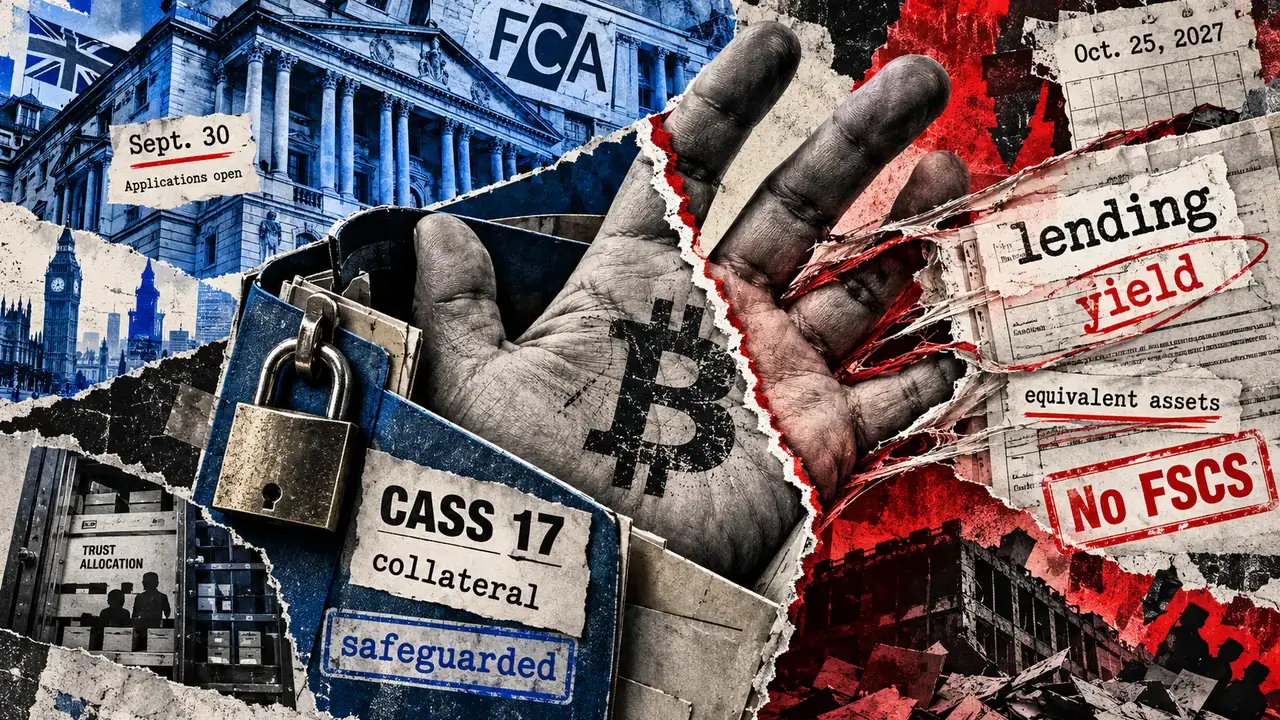
UK’s 2027 crypto rules let firms remove trust protection from Bitcoin lent for yield
UK crypto firms can now apply for authorization as of Sept. 30, bringing Bitcoin holders closer to a rulebook that will treat coin...

Crypto Markets Digest: The Block’s Live Price Feed Underscores the News-Data Nexus in Digital Assets
The Block pairs Bitcoin and Ethereum news with live prices. We examine why crypto news and real-time data fused, and what it means...

Senate Republicans introduce crypto tax bill targeting digital assets
The bill's focus on crypto taxation may signal a shift towards detailed regulatory frameworks, influencing market sentiment and fu...

CFTC secures $31M court order against digital asset fraud scheme that duped 14,000 investors
The case underscores the critical need for regulatory vigilance and investor due diligence in preventing and mitigating digital as...
Polymarket introduces self-exclusion features and deposit caps to address gambling risks
Polymarket's new safety features may influence regulatory standards for prediction markets, potentially reshaping their legal land...

MEXC Leads SOL and DOGE Market-Price Liquidity in CoinGecko’s 2026 CEX Report
Mutsamudu, Comoros, September 30, 2026 – MEXC, a pioneer in 0-fee digital asset trading, led the exchanges studied in order book l...