Can Meme Coins Compete with Traditional Cryptocurrencies in the Long Run?
However, in recent years, a new category of digital assets known as meme coins has risen to prominence. These coins, often driven by community enthusiasm and social media hype rather than technological innovation, have a...
Archive context
Older archive item. Useful for background and entity history, but not a fresh market-moving signal.

However, in recent years, a new category of digital assets known as meme coins has risen to prominence. These coins, often driven by community enthusiasm and social media hype rather than technological innovation, have attracted millions of investors. But the question remains: Can meme coins compete with traditional cryptocurrencies in the long run, or are they just a passing trend?
The Rise of Meme CoinsMeme coins, such as Dogecoin and Shiba Inu, initially emerged as jokes or satirical commentary on the crypto world. These coins were often created with little more than a strong community and an internet meme driving their value. Dogecoin, for example, was launched in 2013 as a parody of Bitcoin but quickly gained popularity due to its light-hearted image and the backing of high-profile figures like Elon Musk. Similarly, Shiba Inu, branding itself as the “Dogecoin Killer,” capitalized on Dogecoin’s success to attract attention.
Despite their playful beginnings, meme coins have carved out a niche in the cryptocurrency market, generating massive speculation and trading volume. Their rise has demonstrated the significant influence internet communities can have on digital asset prices, even without the backing of major technological advancements or well-established use cases. However, the sustainability of meme coins’ popularity remains debated.
Today, these trending meme coins, such as Bitcoin Hyper ($HYPER), Maxi Doge ($MAXI), and TOKEN6900 ($T6900), are showing potential to compete with major traditional cryptocurrencies like Ethereum (ETH), Tether (USDT), and Binance Coin (BNB). Thanks to their strong development teams, high growth potential, and robust community support, they are thriving. With unique use cases that appeal to investors, ease of diversification, and resilience even in a bear market, they are proving that meme coins can indeed compete with the biggest players in the traditional cryptocurrency market.
The Community-Driven Nature of Meme CoinsA major factor behind the value of meme coins is their powerful, community-based appeal and cultural influence. Unlike Bitcoin and Ethereum, which are built on robust technology and have well-defined use cases, meme coins often gain traction through social media engagement and viral online movements. These coins rely heavily on the support of active online communities that amplify their reach and popularity. Platforms such as TikTok, Reddit, and Twitter (X) have been crucial in bringing meme coins into the spotlight, with viral trends and memes frequently driving buying surges.
This community focus has its advantages. It allows meme coins to gain massive attention in a short amount of time, which can lead to significant price surges. However, it also presents challenges. Since meme coins are heavily reliant on social media trends, their value can be highly volatile and subject to sudden fluctuations. When the online buzz fades, so too can the value of these coins. This lack of long-term utility and solid fundamentals is a major factor that separates meme coins from traditional cryptocurrencies.
The Role of Innovation in Traditional CryptocurrenciesTraditional cryptocurrencies, like Bitcoin and Ethereum, have established themselves as more than just speculative assets. They are backed by robust technological infrastructures, secure blockchain networks, and clear use cases. Bitcoin, for instance, serves as a store of value and a hedge against inflation, while Ethereum supports decentralized applications (dApps) and smart contracts, enabling a wide range of innovations within the blockchain ecosystem.
Moreover, traditional cryptocurrencies continue to evolve with the development of Layer 2 solutions, scalability improvements, and integration with decentralized finance (DeFi) ecosystems. This innovation positions them to address real-world problems, such as financial inclusion, remittances, and supply chain management. As a result, these cryptocurrencies have long-term potential, with growing institutional interest and mainstream adoption.
In contrast, meme coins lack the technological advancements and practical use cases that drive traditional cryptocurrencies. While some meme coins have attempted to pivot and develop unique features, such as decentralized exchanges or NFTs, their foundational value remains speculative. Unless meme coins evolve beyond their meme-driven roots, they may struggle to maintain relevance in the long term.
The Future of Meme CoinsThe future of meme coins hinges on their ability to adapt. While it’s clear that the hype surrounding meme coins has propelled them to the forefront of the crypto market, their ability to sustain that momentum is uncertain. To compete with traditional cryptocurrencies, meme coins will need to find ways to provide value beyond social media hype.
Some meme coins are already attempting to make this transition. For example, Dogecoin has started to see more utility in the real world, with global companies like Shopify, Nord VPN, Tesla, Travala, and even sports teams like the Dallas Mavericks accepting Dogecoin for payments. Similarly, Shiba Inu has made moves into the NFT space and is exploring ways to integrate decentralized finance features. These developments signal that meme coins are not content with staying in the realm of jokes—they are attempting to position themselves as serious contenders in the cryptocurrency market.
However, even with these attempts at adaptation, meme coins face an uphill battle. The cryptocurrency space is rapidly evolving, with new technologies like Ethereum 2.0, Polkadot, and Solana offering faster, more scalable solutions. To stay relevant, meme coins will need to carve out a unique space in this increasingly competitive environment.
ConclusionMeme coins have made their mark in the cryptocurrency market, but their ability to compete with traditional cryptocurrencies in the long run is uncertain. While traditional cryptocurrencies have solid technological foundations and real-world use cases, meme coins rely on community-driven hype and social media trends, making their future unpredictable. To stay relevant, meme coins must evolve and develop real-world applications and innovations. Without this, it’s unlikely they will compete with more established cryptocurrencies shaping the future of digital finance. Whether meme coins can transition from a speculative trend to a valuable asset class remains to be seen.
Why this matters
This research story adds another data point to the current market tape and is useful when read alongside nearby source coverage.
Original source
Read on Brave New CoinRelated market context
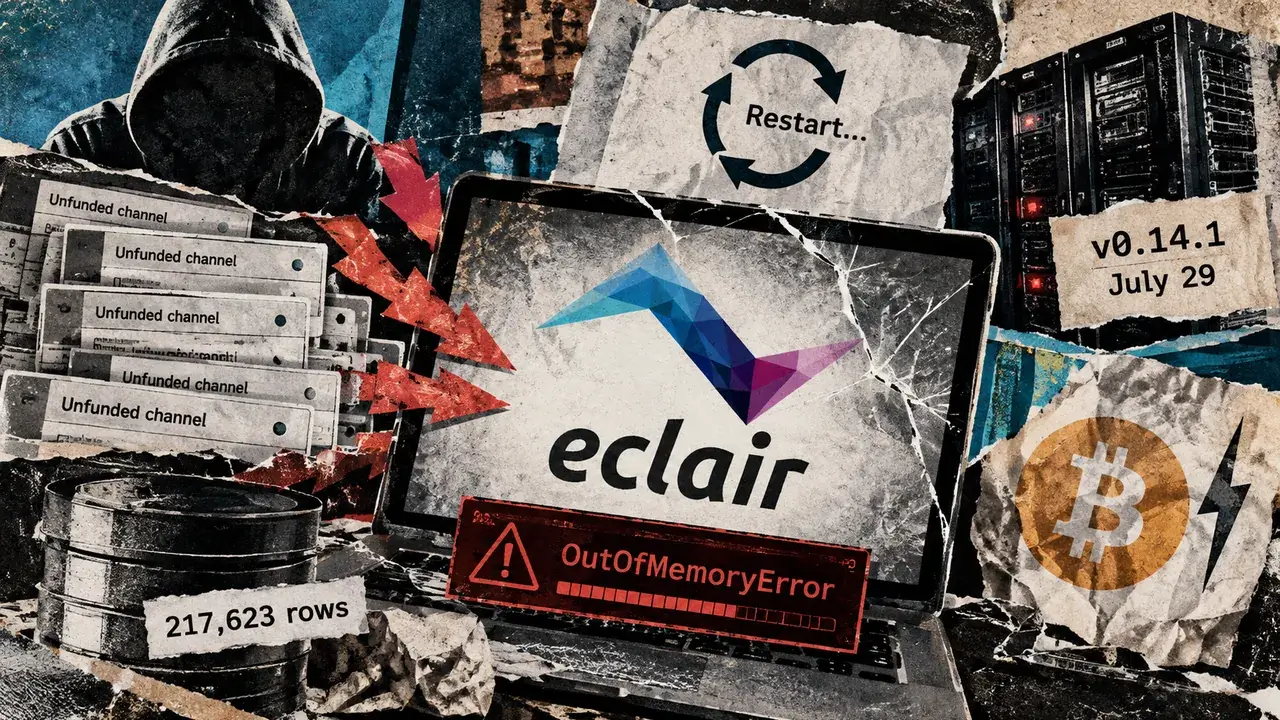
Unpatched Eclair Bitcoin Lightning nodes could crash again every time they restart
A newly disclosed unfunded-channel flaw could leave Eclair, a Bitcoin Lightning implementation, crashing repeatedly without an att...

Michael Saylor Eyes $160B Bitcoin Credit Opportunity Beyond Strategy and Strive
Key Takeaways: Michael Saylor says Bitcoin issuers can scale hand-in-hand but not compete. From its mere 0.1% of the world’s major...

Following the Bitget Hack: BitOK Traces 87.8 BTC as Stolen Funds Reach Mixers
Research and reporting by Alexander Manev, BitOK. Reporting and adaptation by Brave New Coin. Investigators following the Bitget h...
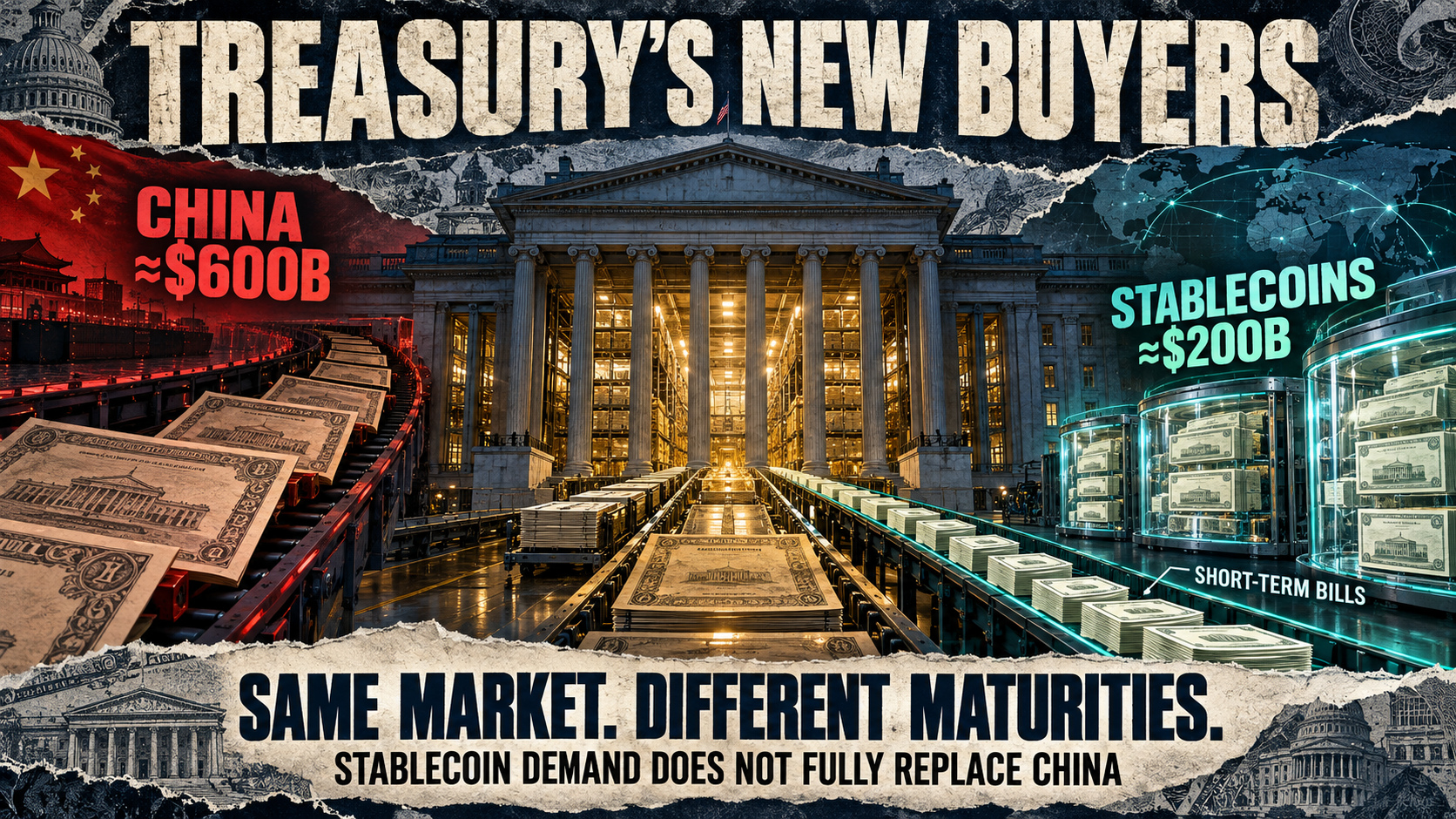
Stablecoin issuers have replaced 40% of China’s lost US Treasury demand
Stablecoin issuers are emerging as a new source of demand for US government debt as foreign official holdings lose ground. Tether...
Circle Pushes Back on MiCA's Bank-Deposit Mandate for Stablecoins
The USDC issuer told the European Commission that MiCA's reserve mandates and concentration caps keep the largest global stablecoi...

Visa Says Business Payments Now Drive 17% Of Stablecoin-Linked Card Volume
TL;DR Visa says roughly 17% of its stablecoin-linked card volume in fiscal 2026 year-to-date came from business and commercial car...