ECB Survey Finds 10% of Eurozone Households Own Crypto Assets
One in every 10 households in six eurozone countries has acquired cryptocurrencies, the European Central Bank (ECB) has found with a new survey. While the richest are most likely to own crypto assets, poor families are n...
Archive context
Older archive item. Useful for background and entity history, but not a fresh market-moving signal.
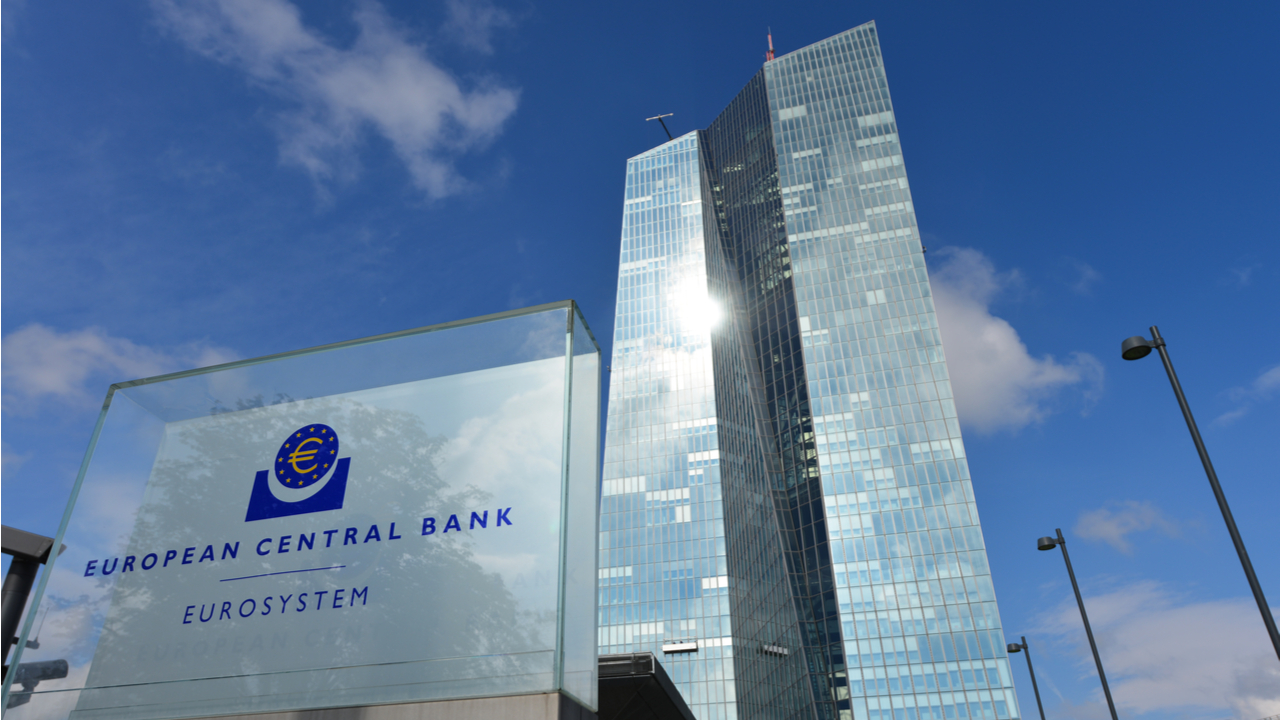
One in every 10 households in six eurozone countries has acquired cryptocurrencies, the European Central Bank (ECB) has found with a new survey. While the richest are most likely to own crypto assets, poor families are not far behind, the poll indicates.
Dutch Households Lead in Terms of Crypto Ownership, ECB Survey Shows
Every tenth eurozone household has purchased bitcoin or other cryptocurrencies, according to the latest Consumer Expectations Survey conducted by the European Central Bank (ECB). Europe’s financial authorities are now trying to establish if the crypto market downturn could affect household budgets, Reuters reported.
The results from the latest edition of the monthly poll were announced Tuesday. The study reveals that an average of 10% of the households in six participating eurozone countries hold crypto assets. Among them, the Netherlands had the largest proportion of crypto owners at 14% while France ranked last with just 6%.
Some 37% of the respondents said they were holding up to 999 euros worth of cryptocurrency (approx. $1,070 at the time of writing), the monetary authority detailed, and 29% had between 1,000 euros and 4,999 euros. Another 13% owned between 5,000 euros and 9,999 euros. The balance had invested more than that, the report unveils.
Across these nations – Belgium, France, Germany, Italy, the Netherlands, and Spain – the richest 20% of the polled were most likely to own cryptocurrencies. At the same time, a greater proportion of lower-income households hold digital assets than the segment between the two groups.
The authors of the survey have also noted that young adult males and highly educated people were more inclined to invest in crypto. “With regard to financial literacy, respondents who scored either at the top level or the bottom level in terms of financial literacy scores were highly likely to hold crypto assets,” the ECB pointed out.
The eurozone’s central bank didn’t miss the opportunity to reiterate its stance that cryptocurrencies are unsuitable for retail investors. The regulator also called on EU authorities to urgently approve new rules for crypto assets in the 27-member bloc. The data has been published as part of ECB’s Financial Stability Review as European legislators are working to finalize the Markets in Crypto Assets (MiCA) legislation.
What do you think about the findings in the ECB’s Consumer Expectations Survey? Tell us in the comments section below.
Why this matters
This research story adds another data point to the current market tape and is useful when read alongside nearby source coverage.
Original source
Read on Bitcoin NewsRelated market context
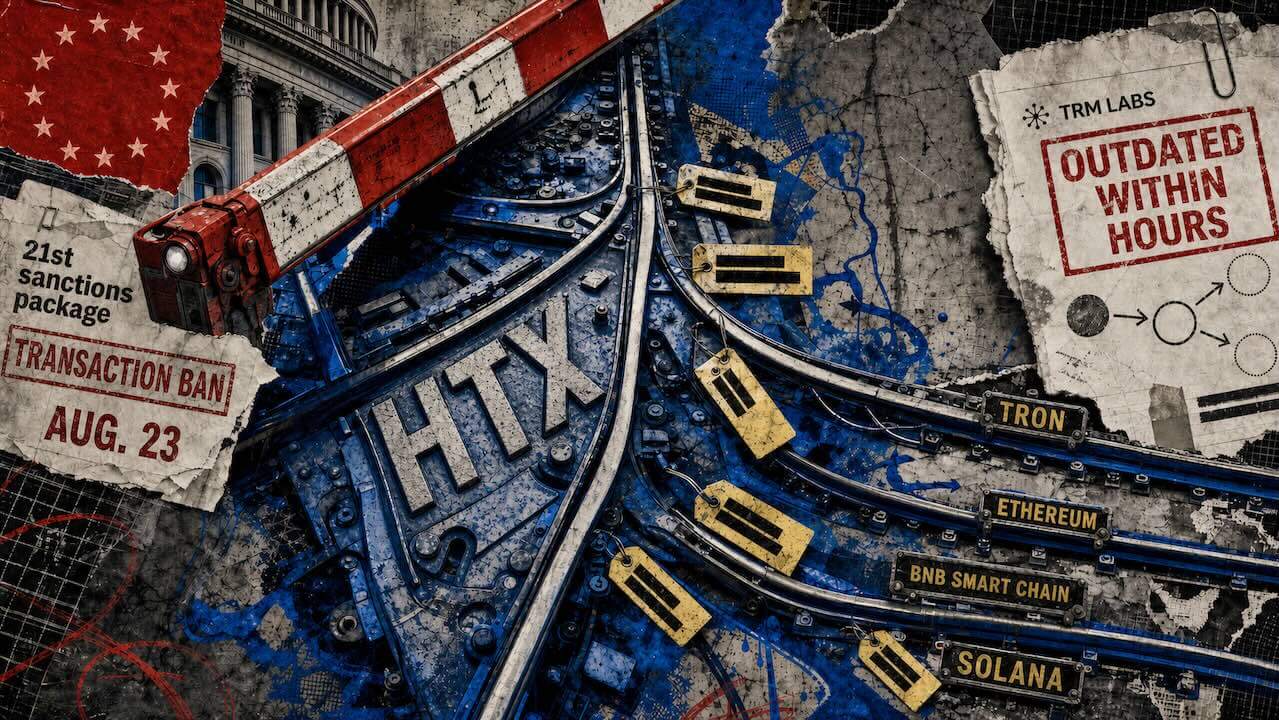
EU expands HTX crackdown as Russia-linked crypto network keeps shifting its financial rails
The European Union has sanctioned HTX, widening a Russia crackdown that has already affected counterparties beyond the exchange. T...
Morgan Stanley Bitcoin ETF Nearly Notches $400M in Assets
Bitcoin Magazine Morgan Stanley Bitcoin ETF Nearly Notches $400M in Assets Wall Street giant Morgan Stanley Bitcoin exchange-trade...

Poolin, Once-Dominant Bitcoin Mining Giant, Announced Bankruptcy
Key Takeaways: Poolin has filed for Chapter 11 bankruptcy protection in the U.S., representing about 20% of Bitcoin’s global hashr...

CLARITY Act splits Wall Street and crypto as Goldman Sachs breaks with banks and Charles Hoskinson backs Warren
The revised CLARITY Act is exposing unusual divisions across Wall Street, Washington and the crypto industry as lawmakers struggle...

Bitcoin mining giant Poolin files for bankruptcy owing 11,700 users $164 million
Bitcoin mining pool Poolin Technology filed for Chapter 11 with $163.7 million in IOUs owed to wallet users. Its two Texas affilia...

The Velocity of Value: How Blockchain is Reshaping Micro-Payments
Blockchain has opened up payment models that were awkward and/or uneconomic under older rails. This is especially true for digital...