Hong Kong’s OSL Raises $300M to Build Stablecoin Infrastructure as New Regulations Launch
The massive raise comes just one week before Hong Kong launches strict new rules for stablecoin companies on August 1. OSL, which trades on the Hong Kong Stock Exchange under ticker 863.HK, sold shares at a 15% discount...
Archive context
Older archive item. Useful for background and entity history, but not a fresh market-moving signal.
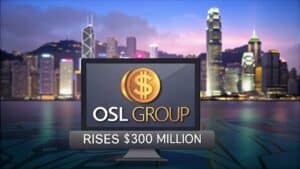
The massive raise comes just one week before Hong Kong launches strict new rules for stablecoin companies on August 1.
OSL, which trades on the Hong Kong Stock Exchange under ticker 863.HK, sold shares at a 15% discount to raise the money. The company plans to use these funds to expand globally and build payment systems that work with both traditional money and digital currencies.
Why This Matters NowHong Kong’s new stablecoin law takes effect August 1, 2025. This law requires any company that issues stablecoins in Hong Kong to get a license from the Hong Kong Monetary Authority (HKMA). Companies that break these rules face fines up to $6,300 and six months in jail.
Stablecoins are digital currencies designed to maintain steady value by backing each coin with real money or other stable assets. Unlike Bitcoin, which can swing wildly in price, stablecoins aim to stay at a fixed value like $1 per coin.
The global stablecoin market is worth about $232 billion today, making it a major part of the crypto economy. Companies use stablecoins for fast international payments and as a bridge between traditional banking and digital assets.
OSL’s Strategic AdvantageOSL holds a unique position in this market. The company became the first crypto exchange to receive a full license from Hong Kong regulators in December 2020. This head start gives OSL significant advantages as new stablecoin rules begin.
“This $300 million equity raise marks a major milestone in our journey and reflects strong conviction in OSL’s digital asset strategy,” said Ivan Wong, OSL’s chief financial officer. The company will focus the new money on three main areas: buying other companies, building stablecoin payment systems, and strengthening its financial position.
OSL successfully completed a US$300 million equity financing Source: @osldotcom
OSL has already started expanding beyond Hong Kong. Earlier this year, the company bought Japanese crypto exchange CoinBest for an undisclosed amount and renamed it OSL Japan. The firm also spent $15 million to acquire Evergreen Crest, which operates a crypto exchange in Indonesia.
Hong Kong’s Regulatory FrameworkHong Kong passed its stablecoin bill in May 2025 after months of consultation with the crypto industry. The new rules require stablecoin companies to maintain full backing for every digital coin they issue. This means having $1 in reserve for every $1 stablecoin in circulation.
The HKMA launched a “sandbox” program in March 2024 to help companies test their stablecoin plans before the law took effect. At least 50 companies have applied for stablecoin licenses, though HKMA chief Eddie Yue warned that many proposals lack realistic business plans.
“As the regulator of stablecoin issuers, while we welcome the public’s interest in stablecoins, we are also duty bound to sound a word of caution,” Yue said in a recent speech. He urged against “excessive market and public opinion speculation” about stablecoins.
Companies wanting a stablecoin license must be incorporated in Hong Kong or have their main business there. They also need at least $3.18 million in paid-up capital and must follow strict anti-money laundering rules.
Market Competition and ChallengesOSL faces growing competition as more companies enter Hong Kong’s regulated crypto market. The city approved nine crypto exchanges for full licenses in 2023, including HashKey, which competes directly with OSL for institutional clients.
However, OSL’s early regulatory approval gives it advantages in building relationships with traditional banks and investment firms. The company offers custody services, over-the-counter trading, and wealth management tools specifically designed for large institutional investors.
OSL’s stock price reflects this optimism, rising 104% this year despite falling 7.4% after the funding announcement. Investors appear confident in the company’s long-term strategy even as they digest the share dilution from new stock sales.
The company operates across multiple jurisdictions, holding licenses in Australia and expanding into Europe and Southeast Asia. This global approach helps reduce dependence on any single market while building scale for its technology platform.
Looking AheadOSL’s $300 million raise positions the company to capitalize on Hong Kong’s new stablecoin framework while expanding internationally. The funds will help OSL compete with larger global crypto exchanges and build the infrastructure needed for institutional adoption.
However, success depends on actual market demand for regulated stablecoins and Hong Kong’s ability to attract legitimate crypto businesses. The HKMA’s strict approach may limit the number of approved stablecoin issuers, potentially benefiting early movers like OSL.
Why this matters
This research story adds another data point to the current market tape and is useful when read alongside nearby source coverage.
Original source
Read on Brave New CoinRelated market context

HSBC RedCoin Targets 74% Stablecoin-Aware Users Ahead of Hong Kong Launch
Key Takeaways: HSBC has officially unveiled the name of its stablecoin, HSBC RedCoin Of the 1,060 consumers surveyed, 74% now unde...
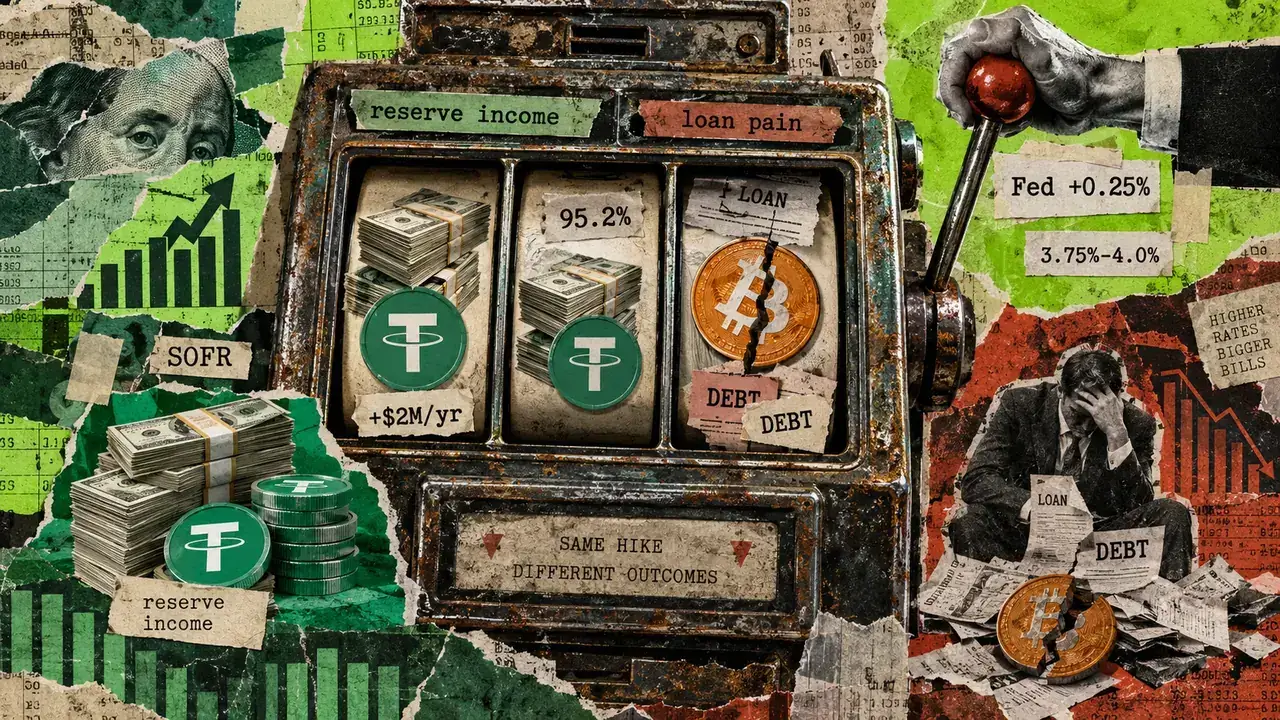
The same Fed rate hike can help stablecoins and hurt Bitcoin borrowers
When you hold a dollar stablecoin, somebody else may be earning interest on the assets backing your balance, while a company borro...
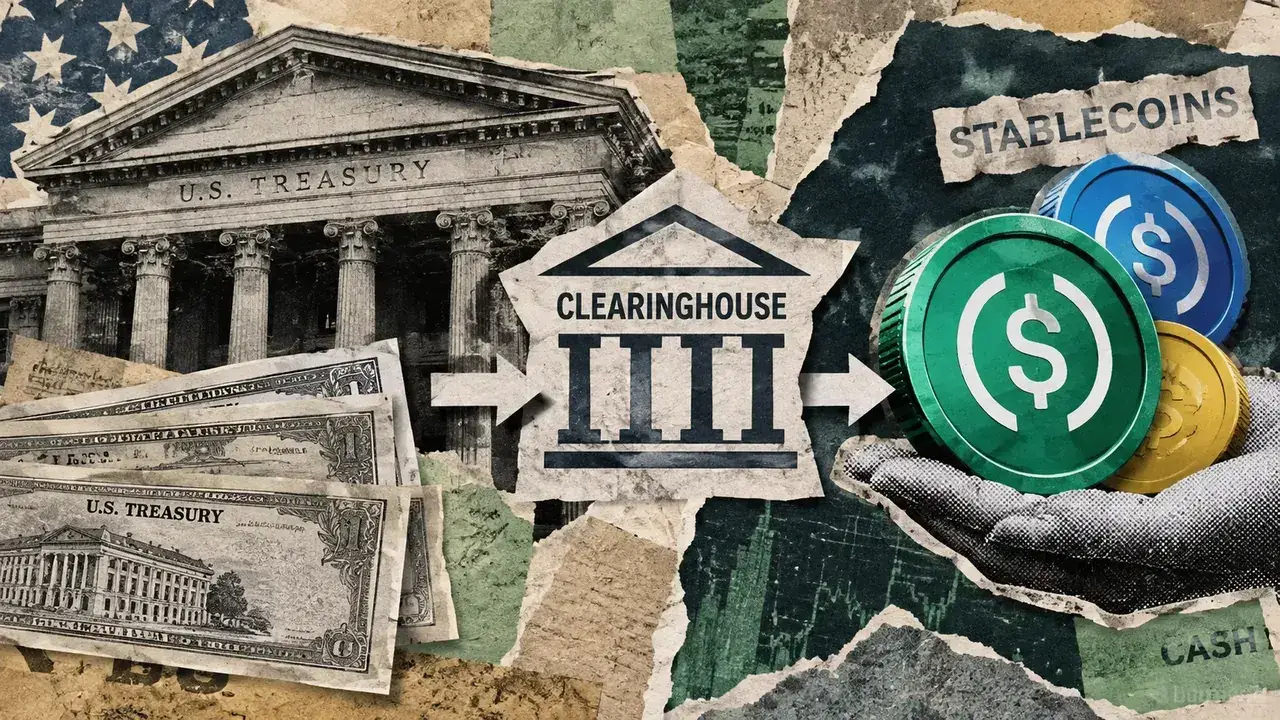
New Treasury rules could change how stablecoin issuers get your dollars back
US government debt is one of the easiest assets in the world to borrow against, which lets financial companies get cash without gi...
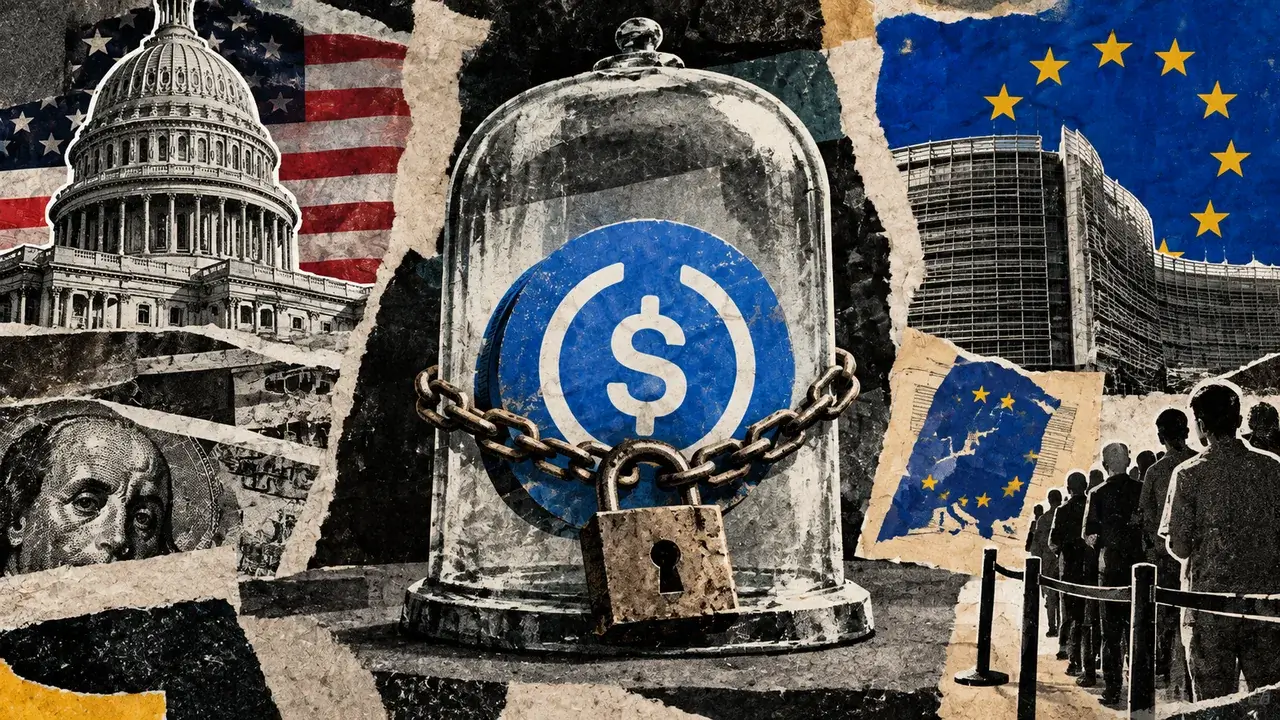
Circle and Tether find common ground against MiCA’s bank reserve rules
Circle is urging the European Union to open its Markets in Crypto-Assets Regulation (MiCA) to foreign-regulated stablecoins and lo...
SEC Proposes New Crypto Custody Rules to Unlock Multi-Trillion Dollar Market Access
Key Takeaways: The SEC put forth a new plan for crypto asset custody of advisers and funds. More flexibility may be warranted unde...

Bullish exchange lists Sui Dollar stablecoin for trading
The listing of USDsui on Bullish could enhance Sui's DeFi ecosystem, attracting institutional interest and boosting blockchain act...