JPMorgan Accused of Blocking Crypto Exchange Over Public Criticism
The dispute highlights growing tensions between traditional banks and the crypto industry. The Triggering Event The conflict began when Bloomberg reported on July 11 that JPMorgan would start charging fintech companies h...
Archive context
Older archive item. Useful for background and entity history, but not a fresh market-moving signal.

The dispute highlights growing tensions between traditional banks and the crypto industry.
The Triggering EventThe conflict began when Bloomberg reported on July 11 that JPMorgan would start charging fintech companies hundreds of millions of dollars to access customer banking data. These fees could increase costs for payment-focused companies by up to 1,000% for single transactions.
Winklevoss posted harsh criticism on social media platform X, calling JPMorgan’s move “anti-competitive” and claiming it would “bankrupt fintechs” that help people connect bank accounts to crypto platforms. He specifically targeted CEO Jamie Dimon, saying the policy would harm American consumers and innovation.
Source: @tyler
The Alleged RetaliationSix days later, Winklevoss made a more serious claim. He said JPMorgan told Gemini it was pausing the crypto exchange’s re-onboarding process specifically because of his public criticism.
“My tweet from last week struck a nerve. This week, JPMorgan told us that because of it they were pausing their re-onboarding of Gemini as a customer,” Winklevoss wrote on X.
Gemini had previously lost its JPMorgan banking relationship during what the crypto industry calls “Operation Choke Point 2.0” – a period when many crypto companies lost banking access under regulatory pressure.
JPMorgan’s Data Fee PolicyJPMorgan’s new fee structure targets data aggregators like Plaid, which connect banks to fintech apps. When customers move money from JPMorgan to crypto exchanges or apps like Venmo, these aggregators help process the transfers.
The bank says it receives nearly 2 billion monthly data requests, with over 90% unrelated to actual customer activity. JPMorgan stated it invested significant resources creating secure systems and wants companies to pay for accessing this infrastructure.
Industry executives warn the fees could devastate smaller fintech companies. Fortune reported one fintech estimated JPMorgan’s fees would exceed their entire 10-year revenue history.
Operation Choke Point 2.0 BackgroundThe crypto industry has long complained about systematic banking restrictions. Documents obtained through Freedom of Information Act requests show the FDIC asked banks to “pause all crypto asset-related activity” in 2022.
This echoes the original Operation Choke Point from the Obama era, which pressured banks to cut ties with legally operating but politically unpopular industries like payday lenders and gun dealers.
A Wall Street Journal survey found approximately 120 crypto hedge funds reported banking difficulties over the past three years, with many told their relationships would end without clear explanations.
Gemini’s Current PositionThe banking dispute comes at a crucial time for Gemini. The company filed confidentially for an initial public offering with the SEC in June, hoping to go public as crypto markets recover.
Gemini previously settled regulatory issues, including a $5 million agreement with the Commodity Futures Trading Commission. The SEC also ended its investigation into the company earlier this year without taking action.
The Winklevoss twins, who founded Gemini in 2014, have been vocal supporters of President Trump’s pro-crypto policies. They each donated $1 million to his campaign, though the donations were later returned for exceeding legal limits.
Industry ResponseFintech trade groups strongly criticized JPMorgan’s fee policy. The American Fintech Council called it “a shameless attempt to further entrench the position of incumbents.”
Winklevoss argues the fees violate the “Open Banking Rule” under federal law, which grants consumers the right to access their banking data through third-party applications. He claims JPMorgan is trying to “take away your right to access YOUR banking data for free.”
JPMorgan has not directly addressed Winklevoss’s retaliation claims. The bank maintains its fee policy aims to protect consumers and ensure proper data security standards.
What This MeansThis dispute reflects broader tensions as traditional banks and fintech companies battle for control over customer financial data. With crypto gaining political support under the Trump administration, these conflicts may intensify.
The outcome could shape how Americans access financial services and whether crypto companies can maintain the banking relationships they need to operate effectively.
Why this matters
This research story adds another data point to the current market tape and is useful when read alongside nearby source coverage.
Original source
Read on Brave New CoinRelated market context

Fiserv Puts Stablecoin Banking Platform Live With North Dakota Roughrider Coin
TL;DR Fiserv says its digital-asset platform is now live with financial-institution clients. Bank of North Dakota’s dollar-backed...
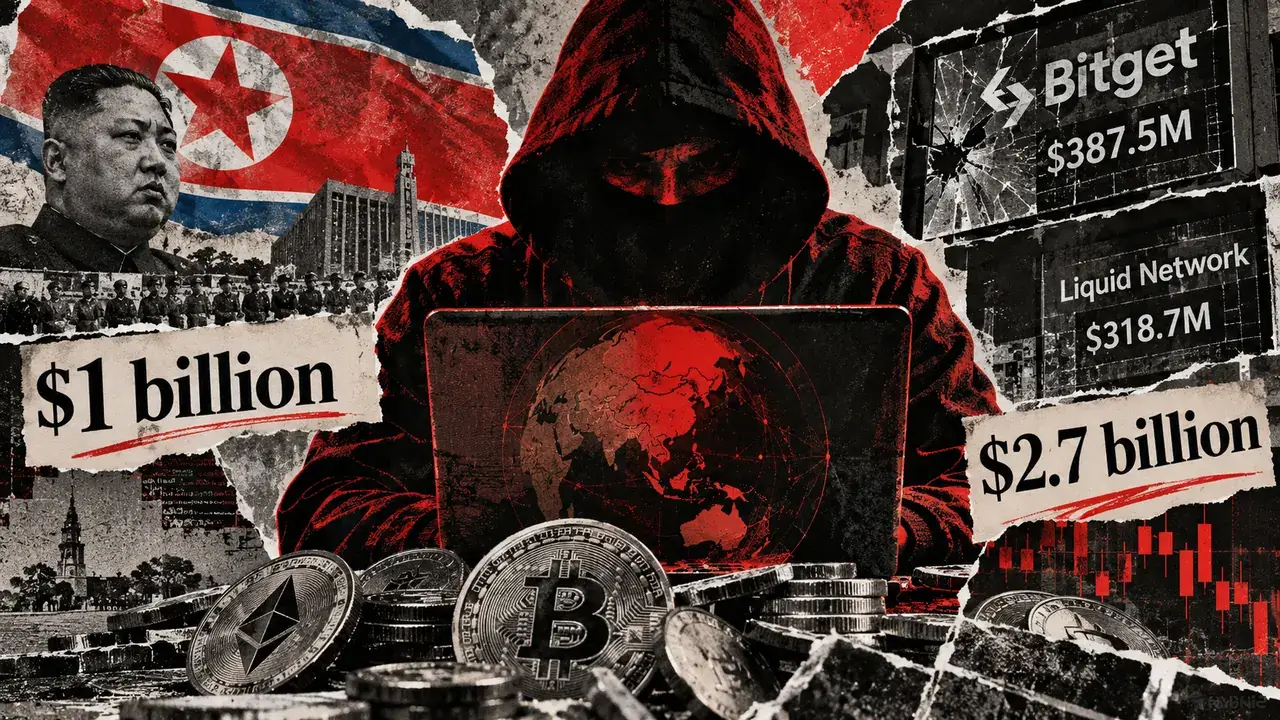
Crypto hackers have taken $2.7 billion in 2026 and the losses are alarmingly concentrated
Crypto firms and users have lost nearly $2.7 billion to security incidents this year, with North Korea-linked thefts exceeding $1...
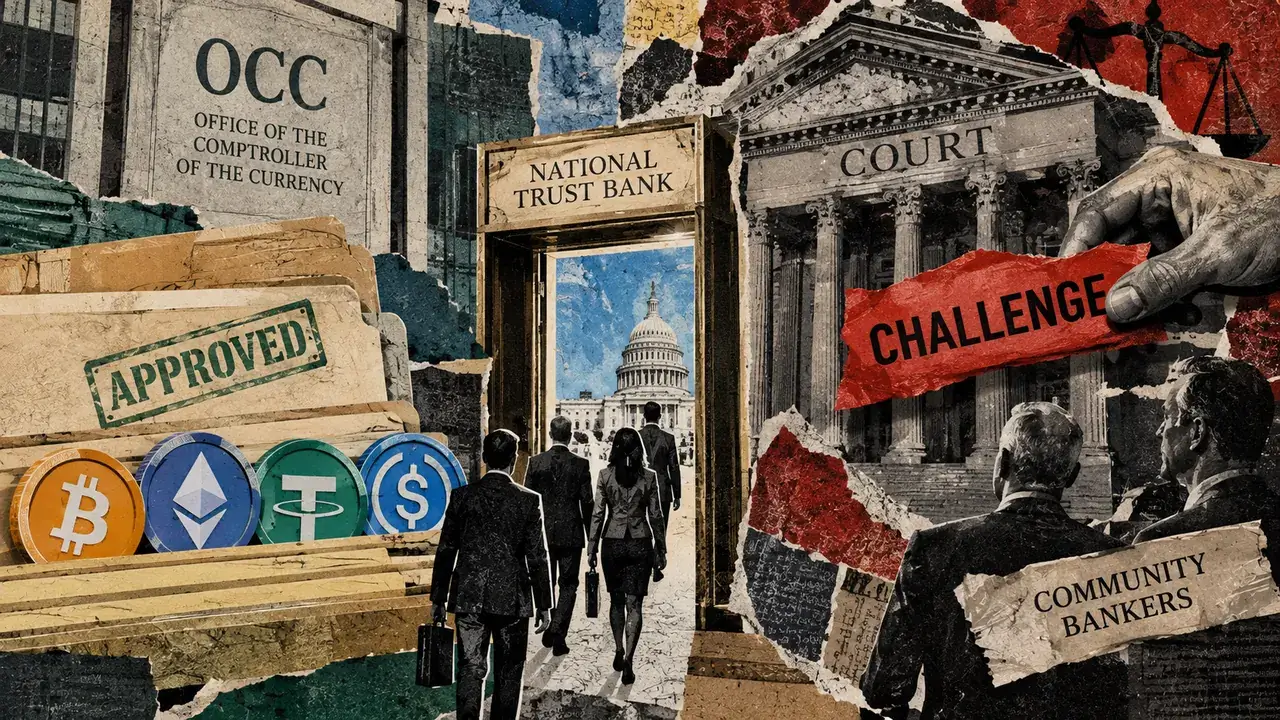
Bankers sue to overturn OCC trust-bank rule used by crypto firms
The Independent Community Bankers of America sued the OCC in federal court in Washington on Oct. 2, two weeks after the agency app...

Stablecoin issuers have replaced 40% of China’s lost US Treasury demand
Stablecoin issuers are emerging as a new source of demand for US government debt as foreign official holdings lose ground. Tether...

OpenWorld Begins Nasdaq Trading As VerifyMe Deal Creates Public Tokenization Company
TL;DR OpenWorld and VerifyMe have completed their business combination, with the combined company trading on Nasdaq under OPNW fro...
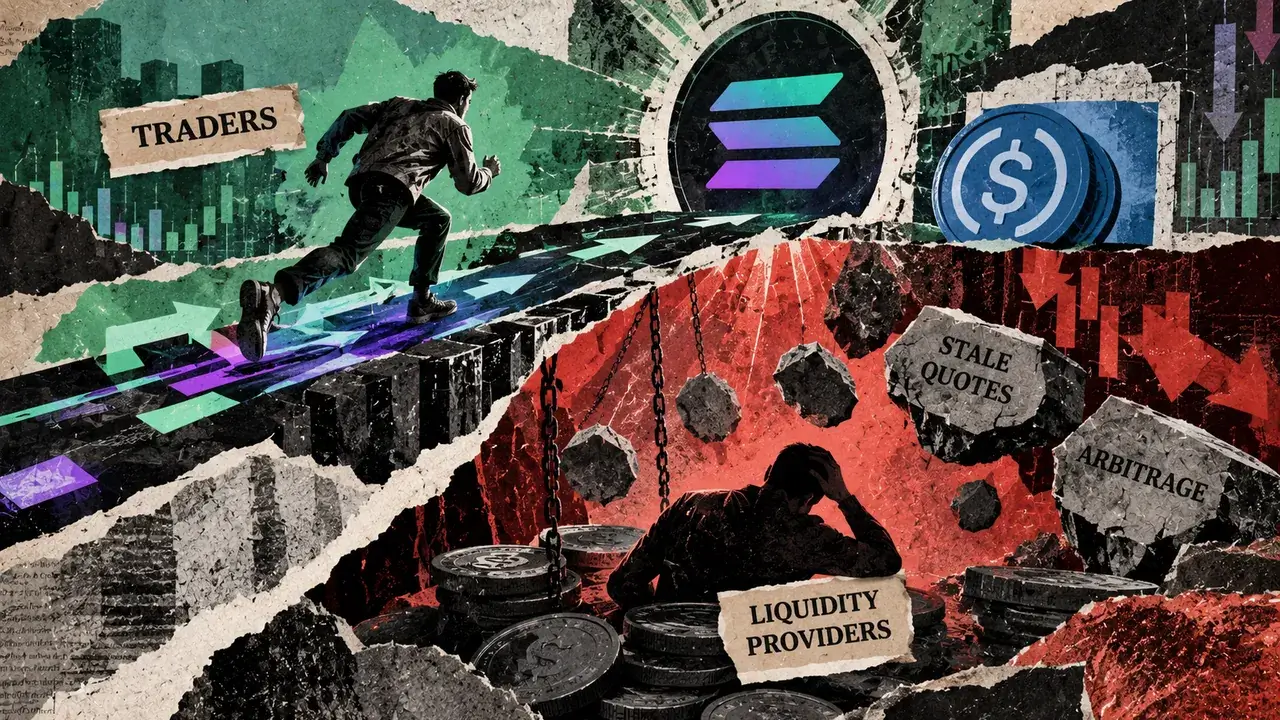
PropAMMs lower Solana trade costs, and public pool returns crash
A trader can get a better Solana (SOL) swap price while a passive pool depositor remains exposed to traders picking off stale quot...