Pakistan Opens Doors to Global Crypto Firms with New Licensing Program
On September 14, 2025, the Pakistan Virtual Asset Regulatory Authority (PVARA) announced it wants international crypto exchanges and service providers to submit applications. The move shows Pakistan is serious about beco...
Archive context
Older archive item. Useful for background and entity history, but not a fresh market-moving signal.

On September 14, 2025, the Pakistan Virtual Asset Regulatory Authority (PVARA) announced it wants international crypto exchanges and service providers to submit applications. The move shows Pakistan is serious about becoming a player in the digital money space.
New Rules and RequirementsPVARA was created under the Virtual Assets Ordinance 2025, which became law in July. The authority follows standards set by major international groups like the Financial Action Task Force (FATF), International Monetary Fund (IMF), and World Bank.
Only certain companies can apply. They must already have licenses from well-known regulators like the US Securities and Exchange Commission, UK Financial Conduct Authority, or similar agencies in the EU, UAE, or Singapore.
Companies wanting to operate in Pakistan need to provide detailed information. This includes their company background, current licenses, what services they offer, their security measures, and how much money they manage. Most importantly, they need a specific business plan for Pakistan.
Bilal bin Saqib, who leads PVARA and serves as Pakistan’s minister of state for crypto and blockchain, said this invitation aims to build a “transparent and inclusive digital financial future for Pakistan.”
Pakistan’s Growing Crypto MarketThe numbers show why global companies might be interested. Pakistan has over 40 million crypto users with annual trading worth more than $300 billion. The country jumped to third place in Chainalysis’ 2025 Global Crypto Adoption Index, moving up six spots from the previous year.
This growth happened even though crypto operated in a legal gray area for years. Pakistan initially banned Bitcoin trading in 2018 but slowly softened its position. Now the government wants to regulate rather than ban digital currencies.
Companies can send their applications by email to PVARA’s headquarters in Islamabad. The process is ongoing, meaning there’s no deadline – applications get reviewed as they come in.
Bitcoin Reserve and Mining PlansPakistan’s crypto push goes beyond just allowing exchanges. In May 2025, the country announced plans for a strategic Bitcoin reserve at the Bitcoin 2025 conference in Las Vegas. Officials said these Bitcoin holdings would never be sold.
The government also set aside 2,000 megawatts of electricity for Bitcoin mining and AI data centers. This amount of power could make Pakistan one of the top five Bitcoin mining locations worldwide if fully used.
These initiatives aim to use Pakistan’s extra electricity while creating jobs and attracting foreign investment. The country wants to turn its energy surplus into economic opportunity through cryptocurrency mining.
Challenges and International ConcernsNot everyone supports Pakistan’s crypto plans. The International Monetary Fund raised concerns about the Bitcoin mining electricity allocation. The IMF questioned whether using so much power for mining makes sense given Pakistan’s energy problems and financial pressures.
The IMF wasn’t consulted before Pakistan made these announcements. Officials worry this could complicate ongoing negotiations with the international lender.
Pakistan also needs to balance crypto innovation with Islamic finance principles. The new law requires forming a Shariah Advisory Committee to make sure crypto products follow Islamic financial rules.
The Path ForwardPVARA expects the licensing process to take several more months. According to Finance Ministry officials, the process will require at least another three months before licenses are officially issued to exchanges and Bitcoin mining companies.
The regulatory body includes top officials from Pakistan’s central bank, securities commission, and tax authority. This high-level involvement shows the government takes crypto regulation seriously.
Pakistan’s invitation to global crypto firms represents a major policy shift. The country went from banning Bitcoin to actively courting international cryptocurrency companies in just a few years. Pakistan’s approach combines opportunity with caution, wanting to benefit from the growing digital economy while protecting consumers and preventing illegal activities.
Success will depend on how well Pakistan balances innovation with regulation. The country has a large, young population eager to use digital currencies. But it also needs to satisfy international partners who worry about financial stability.
With proper execution, Pakistan could become a regional leader in digital finance. The combination of regulatory clarity, energy resources, and market demand creates an attractive package for global crypto companies looking to expand in South Asia.
Why this matters
This research story adds another data point to the current market tape and is useful when read alongside nearby source coverage.
Original source
Read on Brave New CoinRelated market context

Frank Holmes: They Will Print $100 Trillion – Why to Buy Bitcoin & Gold
Bitcoin Magazine Frank Holmes: They Will Print $100 Trillion – Why to Buy Bitcoin & Gold Bitcoin miners already have the power, th...
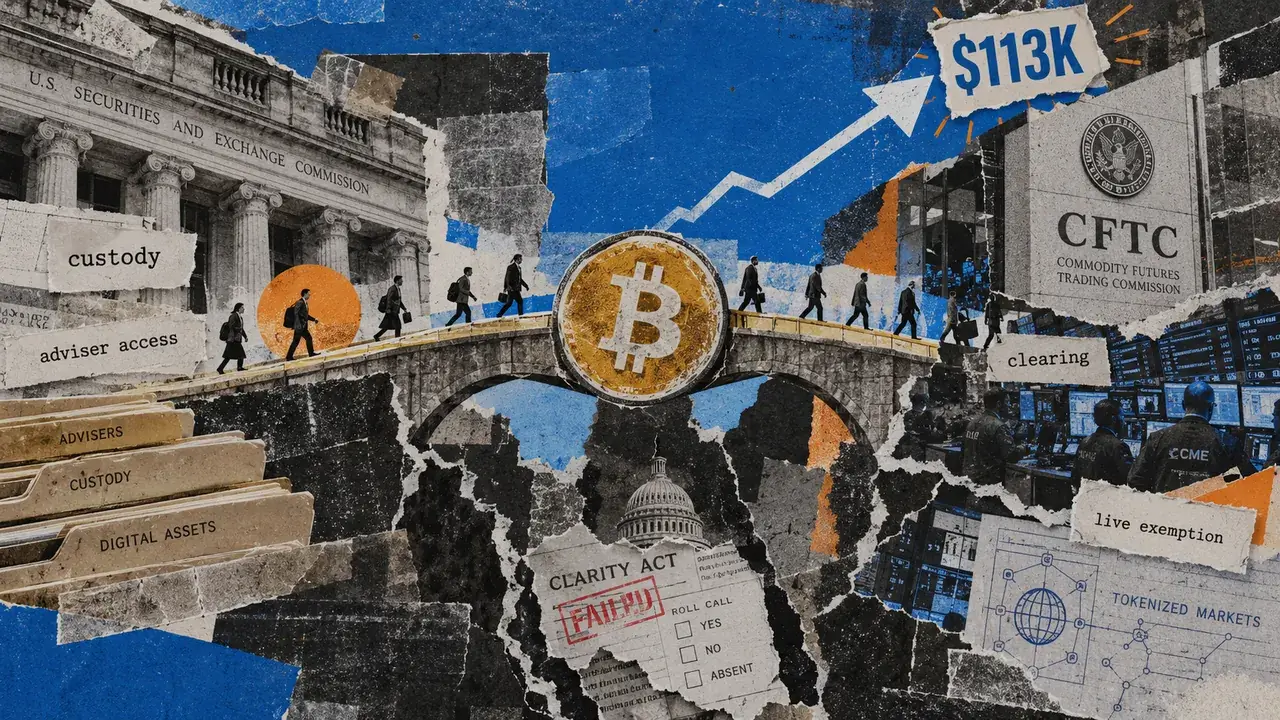
Bitcoin’s $113,000 case strengthens as US regulators push 9 crypto actions
The US Securities and Exchange Commission (SEC) proposed a custody framework on Oct. 1 that would let investment advisers and regu...
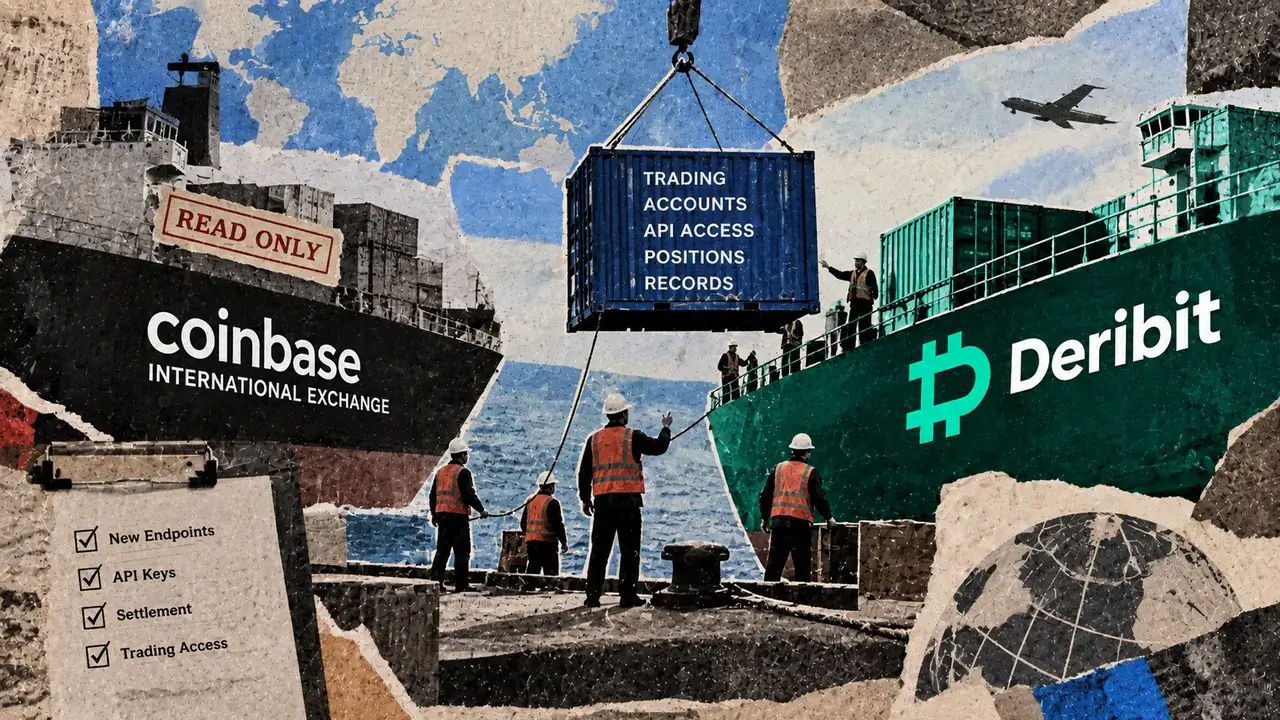
Coinbase completes Deribit switch, ending International Exchange trading
Coinbase completed the migration of Coinbase International Exchange to Deribit on Oct. 1, ending trading on its former internation...

Polymath And CineCity Explore Regulated Tokenized Film Investment Platform
TL;DR Polymath and Chicago-based CineCity Studios are exploring a platform for financing independent film through regulated digita...
Sazmining Launches the Wild Sats Club, a Loyalty Program That Discounts Mining Management Fees as Customer Hashrate Grows
Bitcoin Magazine Sazmining Launches the Wild Sats Club, a Loyalty Program That Discounts Mining Management Fees as Customer Hashra...

Hester Peirce departs SEC after years of advocating for digital assets
Peirce's departure leaves the SEC with a narrowed perspective, potentially impacting future crypto regulation and innovation initi...