Report: Ghanaian Currency Slips to Another Low Versus the US Dollar
After it slipped to a rate of about 12:1, the Ghanaian cedi became the latest African currency to touch a new low versus the U.S. dollar, albeit on the unofficial foreign exchange market. Having started 2022 trading arou...
Archive context
Older archive item. Useful for background and entity history, but not a fresh market-moving signal.
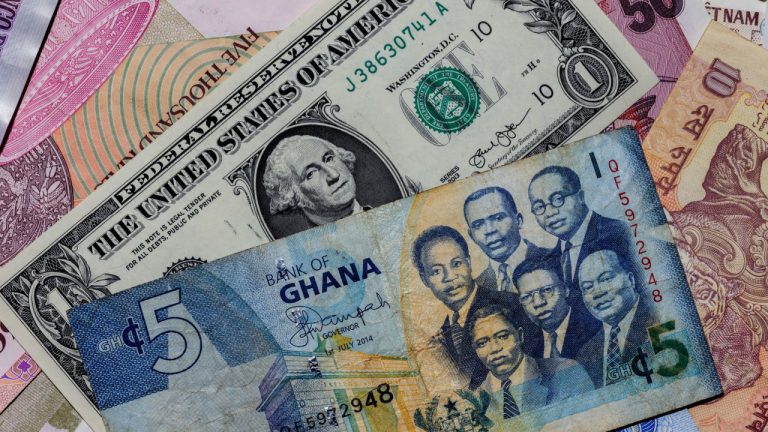
After it slipped to a rate of about 12:1, the Ghanaian cedi became the latest African currency to touch a new low versus the U.S. dollar, albeit on the unofficial foreign exchange market. Having started 2022 trading around 6.25 per dollar, the cedi has now lost over 90% against the appreciating greenback.
Protest Against the Cedi’s DepreciationThe Ghanaian cedi recently became the latest African currency to fall to a new low versus the U.S. dollar in 2022, after its unofficial exchange rate against the greenback reportedly slipped to C12.10:$1. Following this latest depreciation, the cedi, which began the year trading at around 6.25 per dollar, has now lost over 90% of its value in just over ten months.
According to one local report, the cedi’s depreciation has resulted in the impairment of some traders’ capital. As per the report, some traders in the country’s Ashanti region have protested against the cedi’s depreciation and Ghana’s rising cost of living by closing their shops.
Besides the Ghanaian cedi, other African currencies that have lost ground versus the U.S. dollar include Nigeria’s naira, the Ethiopian birr, and the South African rand. As has been reported by Bitcoin.com News, the U.S. Federal Reserve’s aggressive monetary tightening policy, which has seen it repeatedly hike interest rates, is causing the U.S. dollar to appreciate versus many currencies. A strengthening dollar has, in turn, fueled inflation in many countries, including Ghana.
Ghana Inflation Surges AgainMeanwhile, according to a recent announcement by the Ghana Statistical Service (GSS), the cocoa-producing country’s year-on-year inflation rate for September stood at 37.2%. This figure is 3.3 percentage points higher than the rate for August. However, according to the statistical agency’s latest data, prices only went up by 2% between August and September.
Also, in another development, the GSS announced it has changed the way it calculates the inflation rate. Samuel Kobina Annim, a government statistician, reportedly said the base year had been changed from 2018 to 2021. In addition, the weights of the regions were adjusted.
Register your email here to get a weekly update on African news sent to your inbox:
What are your thoughts on this story? Let us know what you think in the comments section below.
Why this matters
This research story adds another data point to the current market tape and is useful when read alongside nearby source coverage.
Original source
Read on Bitcoin NewsRelated market context

US Hoovers up Bitcoin While the World Runs on Its Digital Dollars: Report
Bitcoin Magazine US Hoovers up Bitcoin While the World Runs on Its Digital Dollars: Report America is accumulating bitcoin while e...

Borderless.xyz report finds stablecoin payments beat bank FX rates
Stablecoin payments' efficiency over banks could reshape cross-border transactions, emphasizing dynamic provider selection to mini...

Hot Inflation Data Puts Bitcoin Under Pressure, but ‘Difficult’ Isn’t ‘Bearish’: CoinShares
Bitcoin Magazine Hot Inflation Data Puts Bitcoin Under Pressure, but ‘Difficult’ Isn’t ‘Bearish’: CoinShares Bitcoin’s price has d...

Poetic Justice: Scammer Lost $5M in Bitcoin After Being Targeted by Ledger Thieves
Bitcoin Magazine Poetic Justice: Scammer Lost $5M in Bitcoin After Being Targeted by Ledger Thieves Call it poetic justice: one of...

Polymarket Bitcoin and Rate Hike Odds Shift as CME Says No Change
Polymarket put the odds of a 25-basis-point Federal Reserve rate hike in October at 23%, with $43 million traded, while CME FedWat...

Ripple Brings RLUSD to Cross River Bank as Garlinghouse Backs Evernorth’s XRP Strategy
Announced on October 15, the Cross River partnership integrates Ripple USD (RLUSD) into the bank’s proprietary Core Operating Syst...