Report: Lebanon Planning to Devalue Currency by 93%, Depositors to Lose $38 Billion
The Lebanese government is reportedly planning to devalue the local currency by up to 93% in a desperate bid to receive funding from the International Monetary Fund (IMF). As part of the plan, a major portion of foreign...
Archive context
Older archive item. Useful for background and entity history, but not a fresh market-moving signal.

The Lebanese government is reportedly planning to devalue the local currency by up to 93% in a desperate bid to receive funding from the International Monetary Fund (IMF). As part of the plan, a major portion of foreign currency deposits in the banking system will be converted into local currency at different exchange rates.
Bailout Only Path Out of Crisis
In a bid to tackle its financial crisis, the Lebanese government is reportedly pursuing a plan that will see the country’s local currency being devalued by 93%. In addition, the government plans to convert a significant portion of foreign currency deposits in the banking system into the Lebanese pound.
According to a Reuters report, the Lebanese government hopes pursuing this financial plan will enable the country to secure a bailout from the International Monetary Fund (IMF). This bailout is seen as Lebanon’s only path out of a long-running financial crisis.
The report on Lebanon’s latest plan to devalue its currency comes nearly two months after the central bank issued a directive — one that indirectly devalued the exchange rate for residents withdrawing from their dollar savings accounts. Immediately after the directive took effect, many Lebanese residents, with funds trapped in foreign currency-denominated savings accounts, reportedly besieged banks as they attempted to cash out their funds.
The government’s latest plan will result in holders of foreign currency-denominated savings accounts ceding all their savings to the government at several conversions, including one that devalues the pound by 75%.
The objective of the government financial plan is to align the official exchange rate with that of the parallel market. Doing so has been the IMF’s key demand to the Lebanese government. At the time of writing, the Lebanese pound’s official exchange rate versus the U.S. dollar stands at 1,511 to one, while on the parallel market, one USD buys 21,300 Lebanese pounds.
Meanwhile, the Reuters report explains that as part of the government’s plan, depositors are expected to incur losses amounting to $38 billion while the government itself, shareholders in banks, and the central bank will incur a combined loss of $31 billion. The plan adds that the Lebanese government will return $25 billion to depositors in a period not exceeding 15 years.
What are your thoughts on this story? Tell us what you think in the comments section below.
Why this matters
This research story adds another data point to the current market tape and is useful when read alongside nearby source coverage.
Original source
Read on Bitcoin NewsRelated market context
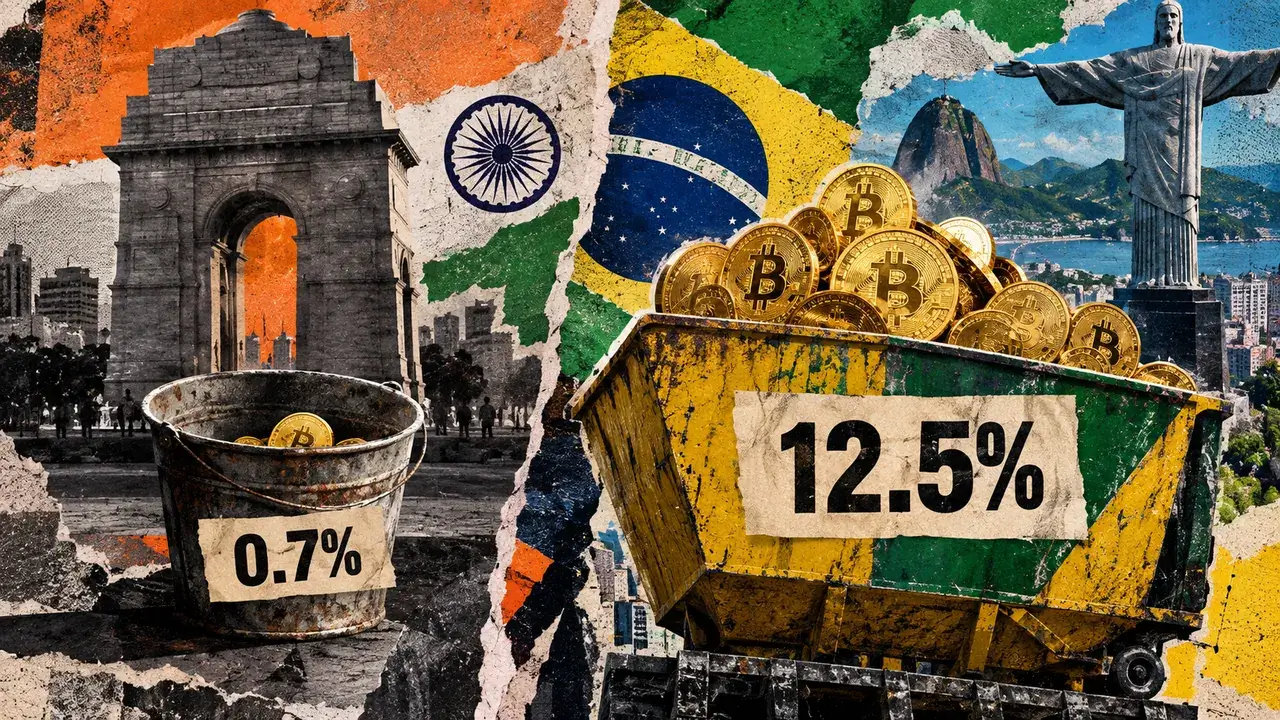
India’s local crypto exchanges get just 0.7% of inflows, Chainalysis reports
India’s crypto users send substantial value to centralized exchanges, but domestic platforms receive just 0.7% of exchange value i...

Binance will hold some Brazil crypto deposits until users explain where the money came from
Binance will require Brazilian users to provide additional information for cross-border crypto transfers starting Nov. 1. The exch...

Who Is Jay Clayton? From XRP Lawsuit to Trump’s New AI Czar
Clayton will lead the newly created “Super Intelligence Force,” a White House task force tasked with examining the risks and oppor...

RWA Foundation reports $6.2 billion tokenized credit market as holders climb 12.1%
Rising holder engagement in tokenized credit suggests potential for broader adoption, despite market cap fluctuations and issuer c...

Central Bank of Iran plans to block rial accounts tied to crypto exchanges
Iran's crypto restrictions could stifle local exchanges, complicate rial-to-crypto conversions, and heighten economic isolation am...
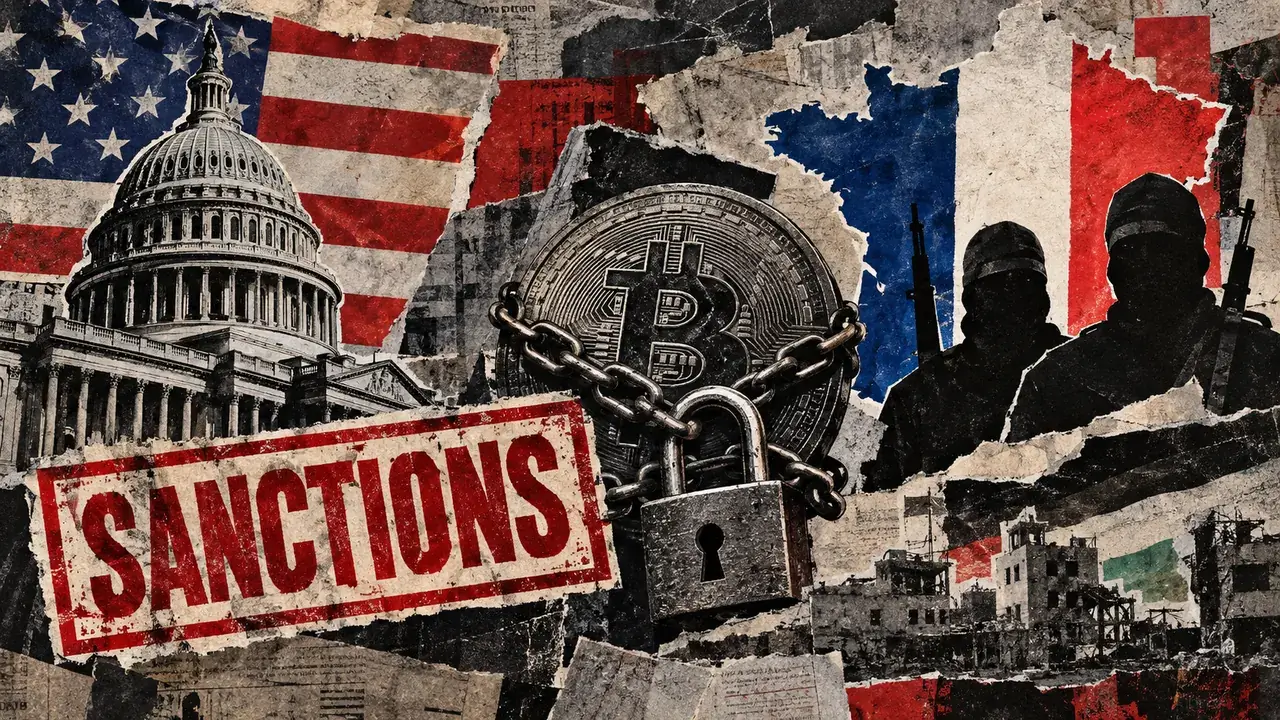
US expands Hamas sanctions after tracing crypto transfers from France
The US sanctioned two French charities and three individuals after alleging they helped channel cryptocurrency and other funds to...