Report: South African University to Issue Blockchain-Based Certificates to Graduating Students
A South African university has said starting this year it will issue blockchain-based certificates to students graduating from the learning institution. University administrators argued that a blockchain-based certificat...
Archive context
Older archive item. Useful for background and entity history, but not a fresh market-moving signal.

A South African university has said starting this year it will issue blockchain-based certificates to students graduating from the learning institution. University administrators argued that a blockchain-based certification system will help prevent fraud and end the production of fake documents.
QR Code for Each CertificateA South African learning institution, the University of Johannesburg (UJ), has said it will issue blockchain-based certificates to its graduates starting this year, a report has said. According to the report, each qualification document issued by the university will have a QR code which will be used to verify its authenticity.
As explained in the Mybroadband report, the university is adopting the blockchain-based certification system as part of an attempt to prevent fraud and the counterfeiting of UJ-issued certificates.
Tinus van Zyl, the university’s senior director of central academic administration, is quoted in the report explaining why the blockchain-based system is an improvement from the digital certificate system which UJ introduced some time ago. According to Van Zyl, the university’s graduates had been using the digital certificate system to digitally access or share their certificates with prospective employers.
Third-Party Verification of CertificatesUsing the blockchain-based system, on the other hand, means prospective employers and third parties can now also verify a graduate’s certificate.
“The public is now able to validate the awarded qualifications for UJ graduates without having to contact the University or having to go through a verification agency, just by scanning the QR code on the certificate and best of all, at no cost,” Van Zyl stated.
Meanwhile, another UJ employee, Kinta Burger, is quoted in the report suggesting that the implementation of the blockchain-based certificate system will safeguard the university’s reputation and that of the certificates it issues.
What are your thoughts on this story? Tell us what you think in the comments section below.
Why this matters
This research story adds another data point to the current market tape and is useful when read alongside nearby source coverage.
Original source
Read on Bitcoin NewsRelated market context

Elliptic Report Shows How Bitcoin ATM Scams Move From Cash To On-Chain Wallets
Elliptic has published a new report explaining how Bitcoin ATM scams work, and the most useful part is not the usual warning that...

MiCA Is Not Only for Crypto. It Will Also Decide Prediction Markets’ European Future
While the industry spent the summer arguing about stablecoin reserves and DeFi certification schemes, the most consequential quest...
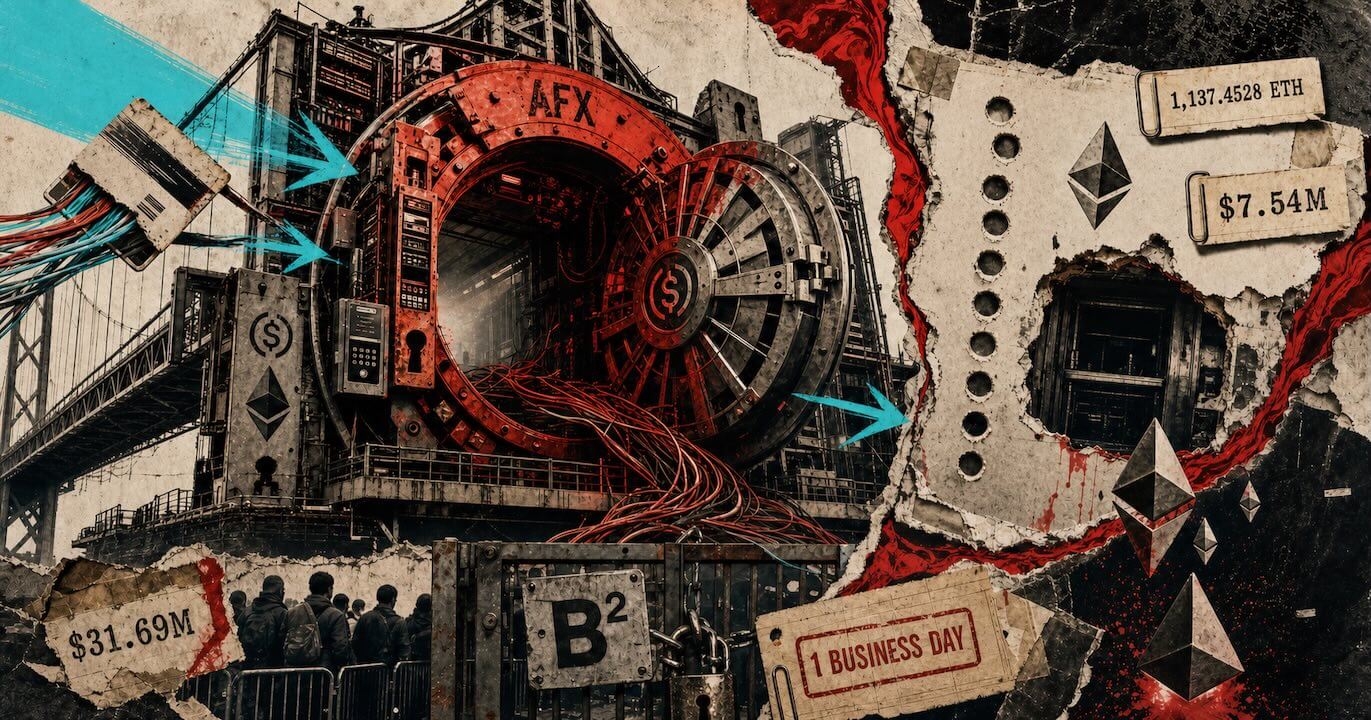
Two Ethereum bridges lose $31.7M within hours as third protocol halts staking
AFX and the Verus-Ethereum bridge suffered about $31.69 million in combined losses within hours of each other, while B² Network se...

Robinhood CEO X Hack Shows Why Crypto Scams Still Target Trusted Names
Robinhood CEO Vlad Tenev’s X account was compromised to promote a fake memecoin, giving crypto another reminder that social engine...

Hester Peirce Warns Crypto Vaults And Lending Strategies May Still Trigger Securities Rules
SEC Commissioner Hester Peirce has issued a new statement on crypto vaults and lending strategies, and the message is more nuanced...

SEC Sets 24-Hour Trading Roundtable As Markets Move Toward Always-On Finance
The SEC is preparing to hold a public roundtable on 24-hour trading, and while the announcement is focused on US equity markets ra...