Report: Traditional Banks in Africa Hold Trust Advantage Over Fintechs
A recent report by CR2 on Africa’s fintech transformation suggests traditional financial institutions can still be a part of the fintech financial revolution if they leverage one of their most significant assets: client...
Archive context
Older archive item. Useful for background and entity history, but not a fresh market-moving signal.

A recent report by CR2 on Africa’s fintech transformation suggests traditional financial institutions can still be a part of the fintech financial revolution if they leverage one of their most significant assets: client trust.
Partnerships Between Banks and FintechsThe report urges financial institutions that wish to accelerate their advance to success in the fintech space to forge partnerships with fintech startups and technology companies. Having such partnerships, as well as their longstanding client networks and more defined regulatory environment, means financial institutions can still grow their share of Africa’s digital market.
To illustrate the importance of the collaboration between banks and fintech, the CR2 report makes reference to the story of how one Nigerian bank, GTB, lost clients after its mobile banking platform went offline. The report then contrasts GTB’s misfortunes with the rise of the VC-backed fintech startup Kudabank, which saw its customer base rise from 300,000 to 1.4 million in less than three years.
However, the report argues that traditional financial institutions can still compete with VC-backed fintech startups if they decide to leverage their most significant asset: client trust. This perceived client trust advantage is backed up by a fintech study conducted in Nigeria by the consulting firm McKinsey Consulting.
Trust Remains KeyAccording to the findings of the study, about 67% of banked customers in Nigeria had more trust in their bank than in fintechs. Although this study concluded that Nigerian banks had occasionally made some missteps, it still found that there is still some hesitation by consumers to shift to fintech products. Therefore, while access and convenience are important considerations for customers, trust is still critical and this gives financial institutions the edge.
In conclusion, the CR2 report urges banks to seize the opportunity to grow their share of Africa’s digital finance market. The report says:
“Longstanding financial institutions must respond with innovation services built through collaboration with enabling digital banking platform partners. Those banks that pair their customer trust advantage to novel innovation on the product and platform side stand to excel in Africa’s 21st-century fintech landscape.”
Who do you trust more, traditional banks or fintech startups? Tell us what you think in the comments section below.
Why this matters
This research story adds another data point to the current market tape and is useful when read alongside nearby source coverage.
Original source
Read on Bitcoin NewsRelated market context

South Africa’s Absa Becomes First Bank on the Continent to Custody Bitcoin: Report
Bitcoin Magazine South Africa’s Absa Becomes First Bank on the Continent to Custody Bitcoin: Report South African bank Absa has be...
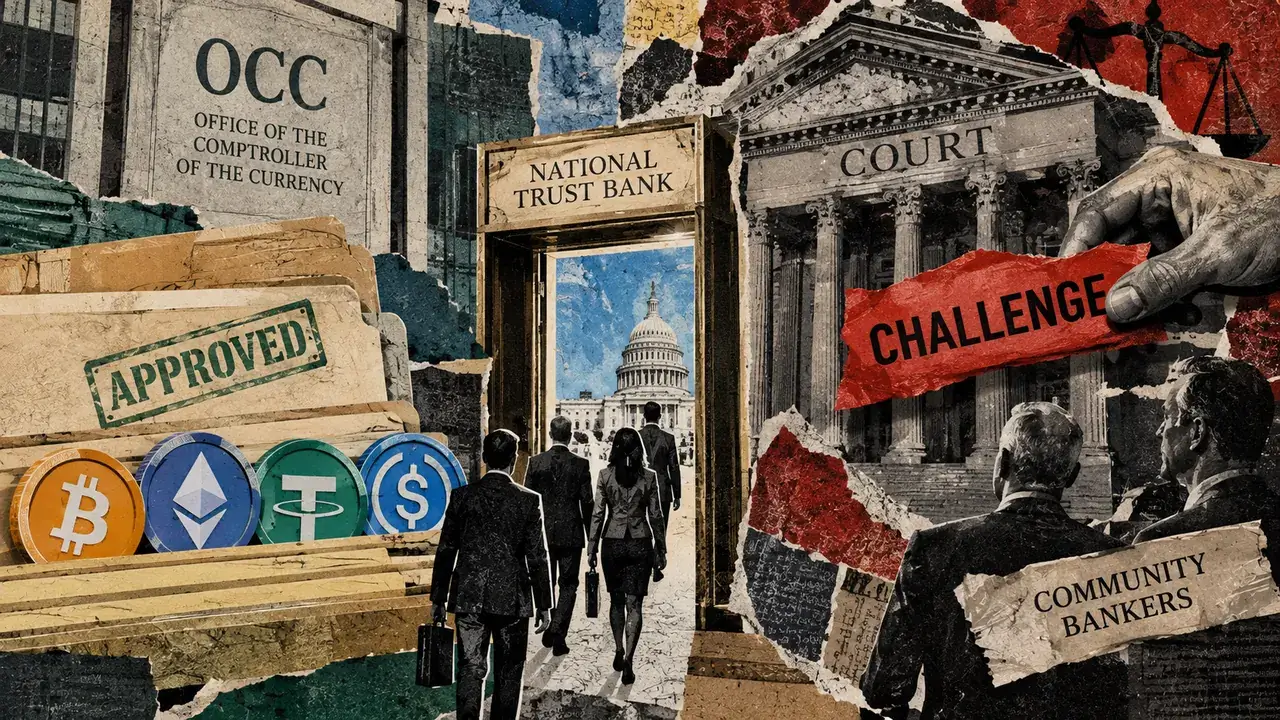
Bankers sue to overturn OCC trust-bank rule used by crypto firms
The Independent Community Bankers of America sued the OCC in federal court in Washington on Oct. 2, two weeks after the agency app...

New SEC crypto rules threaten small advisers, but big firms win
The US Securities and Exchange Commission’s proposed crypto custody fallback could broaden investment choices while making them ea...

HSBC RedCoin Targets 74% Stablecoin-Aware Users Ahead of Hong Kong Launch
Key Takeaways: HSBC has officially unveiled the name of its stablecoin, HSBC RedCoin Of the 1,060 consumers surveyed, 74% now unde...

American Bankers Sue OCC Over Crypto Bank Charters, Challenging Coinbase and Circle
The lawsuit, filed October 2 in the U.S. District Court for the District of Columbia, puts the growing role of crypto firms within...

Bitcoin (BTC) Price Today: 2028 Halving Cycle and BlackRock ETF Inflow Signal Long-Term Rally
Recent market data also show that Bitcoin buyers have absorbed a key sell wall around $85,000, reducing one source of near-term re...