SEC’s New Crypto ETF Rules: What Every Investor Should Know
The Securities and Exchange Commission (SEC) has issued new guidance for companies offering cryptocurrency exchange-traded funds (ETFs), marking a significant step in legitimizing crypto investments for mainstream invest...
Archive context
Older archive item. Useful for background and entity history, but not a fresh market-moving signal.

The Securities and Exchange Commission (SEC) has issued new guidance for companies offering cryptocurrency exchange-traded funds (ETFs), marking a significant step in legitimizing crypto investments for mainstream investors. The July 1, 2025 announcement provides detailed rules about what information these funds must disclose to protect investors.
What Are Crypto ETFs?Crypto ETFs are investment products that allow people to buy shares in funds that hold cryptocurrencies like Bitcoin or Ethereum, without having to buy the actual crypto directly. These funds trade on regular stock exchanges, making it easier for everyday investors to gain exposure to cryptocurrency markets through their traditional brokerage accounts. Think of it like buying shares in a company that owns gold, rather than buying gold bars yourself. The ETF handles the complex parts of buying, storing, and securing the cryptocurrency while you simply own shares that rise and fall with the crypto’s value.
Why This Matters NowCrypto ETFs have exploded in popularity over the past year, with billions of dollars flowing into these products. However, cryptocurrency markets are notoriously volatile and risky, leading regulators to demand more transparency about how these funds operate.
The SEC’s new guidance clarifies how existing securities laws apply to crypto ETFs. This is crucial because many investors may not fully understand the unique risks involved in cryptocurrency investments.
Key Disclosure RequirementsUnder the new guidance, crypto ETF companies must be much more transparent about several critical areas:
Cryptocurrency Details: Funds must explain in plain English what cryptocurrencies they hold, how these digital assets work, and details about the blockchain networks they operate on. This includes information about how the cryptocurrencies are created, validated, and whether there are limits on how many can exist.
Storage and Security: Companies must disclose exactly how they store the cryptocurrencies – whether in “cold storage” (offline) or “hot storage” (online and more vulnerable to hacking). They must also explain who has access to the digital keys needed to move the crypto and what insurance coverage exists if the assets are stolen.
Fees and Costs: ETFs must clearly break down all fees investors will pay, including management fees and transaction costs. Importantly, they must explain that the amount of cryptocurrency per share will decrease over time as crypto is sold to pay these ongoing fees.
Risk Factors: The guidance requires extensive disclosure of risks specific to cryptocurrency, including price volatility, hacking threats, potential market manipulation, and the possibility that crypto exchanges could fail or be shut down.
What This Means for InvestorsFor individual investors, this guidance should result in clearer, more comprehensive information when considering crypto ETF investments. Instead of dense technical jargon, companies will need to explain in plain language what they’re investing in and what could go wrong.
The rules also require disclosure of potential conflicts of interest – for example, if the fund’s management company also trades cryptocurrencies for its own account, which could create competing interests.
Industry ImpactFor the cryptocurrency industry, this guidance represents growing regulatory acceptance and suggests regulators are working to integrate cryptocurrency products into the traditional financial system rather than ban them. However, the extensive disclosure requirements may increase costs for fund companies and could make some smaller players think twice about entering the market.
Looking ForwardThe SEC’s guidance reflects the reality that cryptocurrency investing has moved from the fringes to mainstream finance. By requiring the same level of transparency expected from traditional investment products, regulators are attempting to protect investors while allowing innovation to continue.
For investors considering crypto ETFs, this means more information to make informed decisions, but also a reminder that cryptocurrency investments carry unique risks that don’t exist with traditional stocks and bonds. The guidance takes effect immediately.
Why this matters
This research story adds another data point to the current market tape and is useful when read alongside nearby source coverage.
Original source
Read on Brave New CoinRelated market context

Non-Custodial Crypto Exchanges: How Self-Custody Is Changing the Way Users Swap Digital Assets
For many users, the distinction comes down to custody. A centralized platform may hold assets on behalf of its customers, while a...
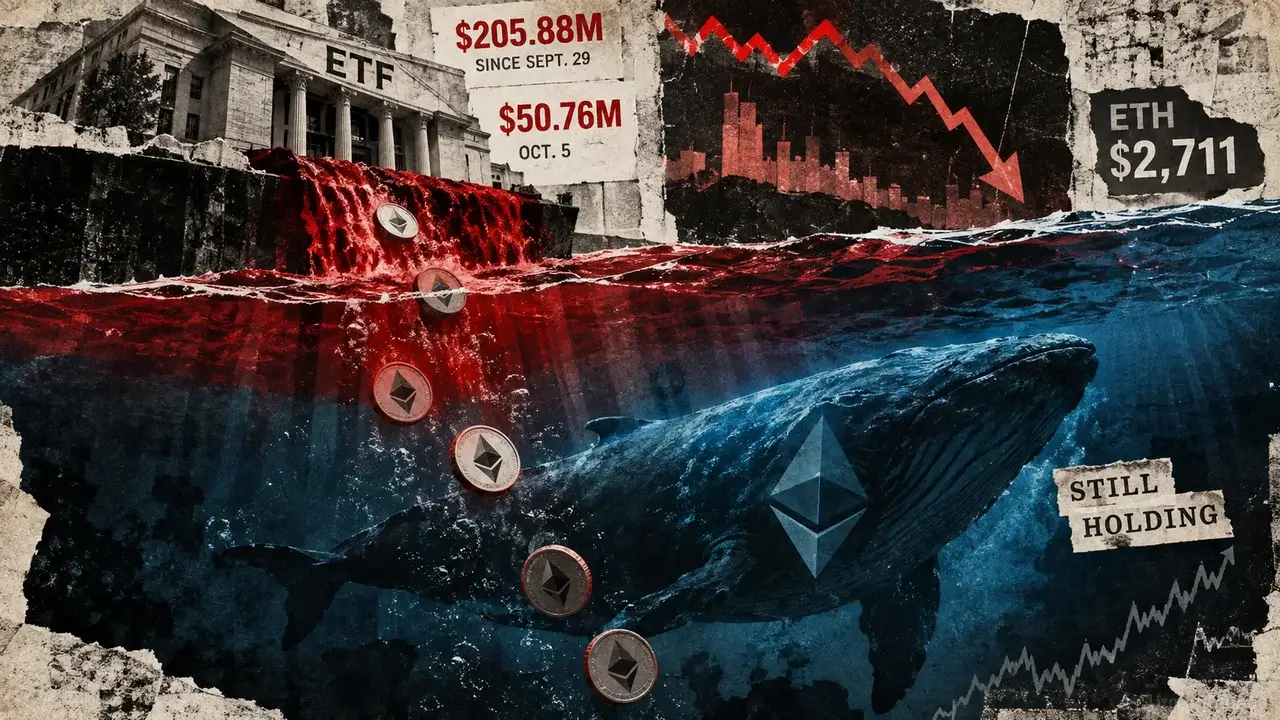
Ethereum bears keep selling but ETH price stays near $2,700 as US spot ETFs record $206M in outflows
Ethereum’s institutional demand is weakening around the same time derivatives positioning shows traders are selling aggressively w...

Bringin Opens Euro Business Accounts for Bitcoin Companies Across 30 European Countries
Bitcoin Magazine Bringin Opens Euro Business Accounts for Bitcoin Companies Across 30 European Countries Bringin today opened an i...

Crypto Licensing Enters a New Era as Global Regulations Accelerate in 2026
The global digital asset industry is entering a defining chapter as governments and financial regulators continue to introduce com...

SEC drops to 2 members, and 1 hidden rule shifts crypto power
Hester Peirce’s Oct. 2 resignation has left Paul Atkins and Mark Uyeda as the SEC’s two listed commissioners. A new rule permits o...

Payments Firm Says Tether Froze $2.76 Million Brazilian Police Didn’t Flag, Forcing Layoffs
Tether froze $2.76 million of a payments company’s working capital though the Brazilian police investigation behind the freeze nev...