The Future of Charging Is Here – And It’s USB-C
Let’s face it: for decades, device manufacturers have treated us like gullible cable hoarders. Whether it’s Apple’s proprietary Lightning port, some obscure micro-USB knockoff, or even the ever-so-slightly-different barr...
Archive context
Older archive item. Useful for background and entity history, but not a fresh market-moving signal.

Let’s face it: for decades, device manufacturers have treated us like gullible cable hoarders. Whether it’s Apple’s proprietary Lightning port, some obscure micro-USB knockoff, or even the ever-so-slightly-different barrel connector on laptops, every new gadget seemed to demand its own special plug. Not only has this fragmented ecosystem been annoying and expensive for consumers, but it’s also contributed to mountains of electronic waste. The EU says, “Enough is enough.”
Starting in 2025, USB-C will be the default charging standard for an impressive list of devices sold within the EU. Smartphones, tablets, cameras, headphones, handheld game consoles, and even laptops are all included in the scope of this mandate. In a move that’s both consumer-friendly and environment-savvy, the EU aims to save consumers up to 250 million euros annually by eliminating the need to buy extra cables and chargers.
Source: EU
So, What’s the Big Deal About USB-C?USB-C isn’t just another port; it’s a technological Swiss Army knife. With its reversible design (no more fumbling in the dark) and capabilities for high-speed data transfer and power delivery, USB-C is leagues ahead of older standards. It’s already powering some of the fastest laptops and most advanced smartphones. Plus, it’s versatile enough to handle 4K video output and more.
Apple, the most infamous holdout, is begrudgingly complying. While the tech giant has fiercely defended its Lightning ecosystem, USB-C has already started appearing on its devices like the iPad Pro. It’s only a matter of time before iPhones fully transition – and let’s be real, it’s about time.
Why This Matters Beyond ConvenienceThe EU’s push isn’t just about saving you a couple of euros and sparing your sanity; it’s also a sustainability play. E-waste is a colossal problem, with over 50 million metric tons generated globally each year. A significant chunk of that comes from discarded chargers. By mandating USB-C, the EU is streamlining waste management and reducing unnecessary manufacturing.
But here’s where it gets interesting. The EU’s decision could trigger a ripple effect globally. Major manufacturers won’t want to create region-specific versions of their products, so the USB-C standard might soon become universal. For those of us outside the EU, this is a win-by-association situation. Finally, some regulatory overreach we can cheer for.
The Cynic’s TakeOf course, there’s a cynical angle. The shift to USB-C won’t be entirely painless. Manufacturers might increase device prices to offset the revenue lost from selling proprietary chargers and cables. Plus, while USB-C is great now, what happens when the next revolutionary standard comes along? Will regulators have the foresight to keep up?
And what about the simple fact that much of the EU already has different and outdated power sockets into their walls. Hmmmmmm.
Source: X
And let’s not forget the companies already plotting new ways to lock us into their ecosystems. Sure, USB-C might unify charging, but I wouldn’t be surprised if we start seeing “premium USB-C cables” that only work with certain devices. If capitalism has taught us anything, it’s that where there’s a loophole, there’s a business model.
The EU’s one common charging solution is a step in the right direction. It’s practical, environmentally conscious, and consumer-friendly. USB-C is the hero we didn’t know we needed, and its reign as the charging king looks secure – for now.
Why this matters
This research story adds another data point to the current market tape and is useful when read alongside nearby source coverage.
Original source
Read on Brave New CoinRelated market context
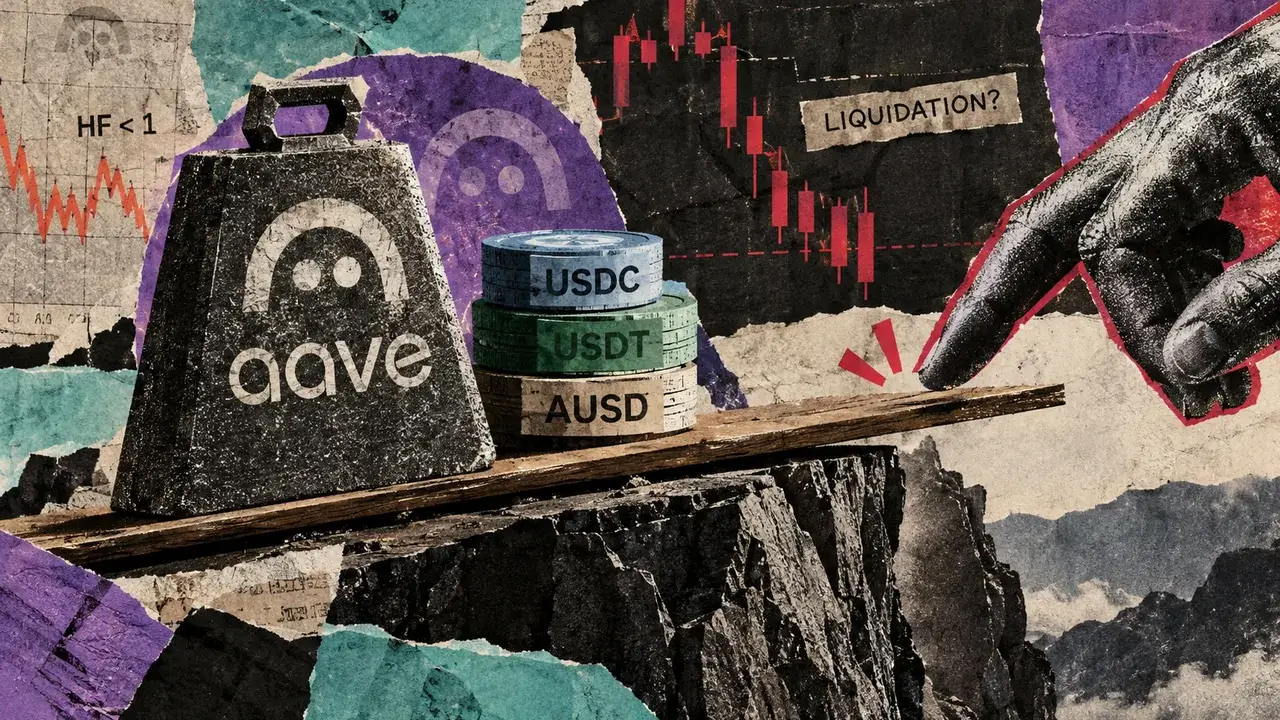
Some Aave loans sit near liquidation with collateral that can take hours to cash out
Some Aave loans backed by yield-bearing collateral had narrow liquidation buffers in LlamaRisk’s Oct. 9 snapshots. Every top PT-AU...
Standard Chartered adds Ripple USD custody, eyes LMAX collateral deal
Standard Chartered has launched custody for Ripple’s RLUSD stablecoin on the XRP Ledger and plans to let institutions use the toke...

What happens when crypto trades stocks while Wall Street sleeps?
Wall Street closes at 4 p.m., but apparently that's becoming more of a suggestion than a rule. You can now spend the evening watch...

Bitcoin companies are learning that holding forever takes cash
Metaplanet sold 10,000 BTC and bought back 11,000 at a higher average price to show it was willing to sell its Bitcoin. The Japane...

AI Could Weaken Ethereum Security as Cryptographic Risks Grow, Vitalik Buterin Warns
Buterin urged developers to prepare for potential AI vulnerabilities in both conventional and quantum-resistant cryptography, whil...

Bitcoin rally restores some confidence, but open interest lags
Bitcoin's rally suggests cautious optimism; reduced leverage may lead to sustainable growth but limits potential for rapid price s...