Inside Job? How One Employee’s Alleged Betrayal Led to a $140 Million Central Bank Hack
The breach, which targeted C&M Software, the company that links the central bank to local financial institutions, reportedly began with an alleged act of betrayal by one of its own employees. The Growing Danger of Inside...
Archive context
Older archive item. Useful for background and entity history, but not a fresh market-moving signal.

The breach, which targeted C&M Software, the company that links the central bank to local financial institutions, reportedly began with an alleged act of betrayal by one of its own employees.
The Growing Danger of Insider ThreatsInvestigators believe the hackers gained access to C&M’s critical systems by purchasing the login credentials of an employee for what seems like a modest sum: around $2,700. This single transaction, if proven true, allowed cybercriminals to bypass sophisticated security measures and steal a staggering 800 million Brazilian reais from reserve accounts held at six different banks.
The alleged sale of login details highlights a growing concern in the cybersecurity world: the “insider threat.” This refers to security risks that come from within an organization, often from current or former employees, contractors, or business partners who have inside information concerning security practices, data, and computer systems. While many cybersecurity threats come from external actors trying to break in, insider threats can be particularly damaging because the individuals already have a level of trusted access.
“Cybercriminals see ‘massive’ returns in targeting centralized systems that can contain millions of passwords, sensitive documents or billions of dollars in capital, which makes these systems attractive targets,” explained Eran Barak, CEO of Shielded Technologies. This perspective suggests that the potential reward for an insider, even if a smaller cut is taken by selling access, can be incredibly tempting when compared to the risks of operating solely from the outside. This latest insider breach follows another earlier this year that saw Coinbase employees selling customer details for
Brazilian police have reportedly arrested a man identified as a C&M employee in connection with the hack, further pointing to the insider angle. This arrest suggests that authorities are focusing on the alleged sale of credentials as the primary point of entry for the attackers.
The stolen funds were quickly moved and disguised. Onchain detective ZachXBT noted that an estimated $30 million to $40 million of the stolen money was converted into popular cryptocurrencies like Bitcoin, Ether, and USDt. These digital assets were then reportedly laundered through exchanges and trading platforms in Latin America, making them harder to trace back to the original theft.
A Centralized System’s VulnerabilityThis incident serves as a stark reminder of the vulnerabilities inherent in centralized digital systems. In these systems, a single point of failure—like one compromised employee account—can have devastating consequences, leading to significant financial losses or the theft of sensitive information.
Why this matters
This security story adds another data point to the current market tape and is useful when read alongside nearby source coverage.
Original source
Read on Brave New CoinRelated market context

Bitget Confirms $387.5 Million Security Breach as Revised On-Chain Accounting Reveals Wider Losses
Bitget raises breach losses to $387.5 million after Zcash and TRON transfers found. Attackers spoofed backend transaction data to...
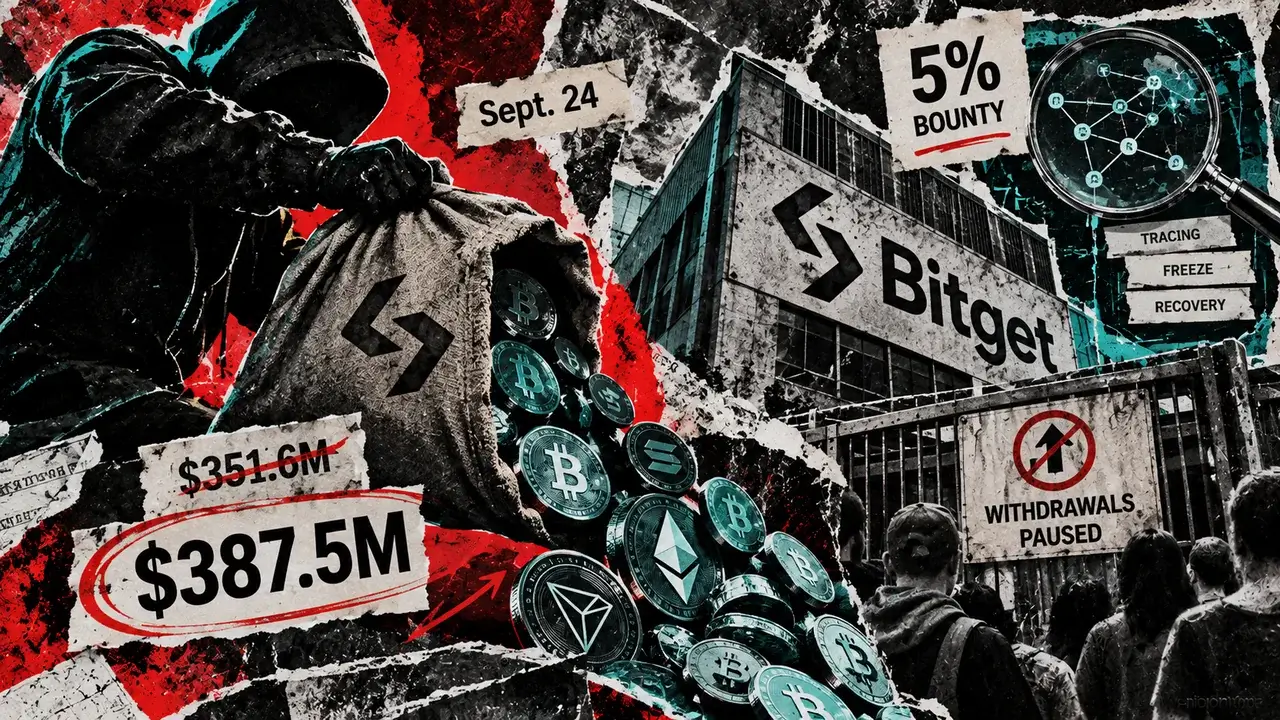
Bitget’s hack just got $36 million bigger, and now there’s a bounty on the stolen crypto
Bitget has raised the estimated value of assets taken in its Sept. 24 breach to $387.5 million as exchanges and security firms mob...

An $84 million US asset seizure just sparked a massive question for Tether
Tether has disclosed exposure to EQIBank as the bank fights a US seizure involving payment processor Capstone Limited, raising a q...
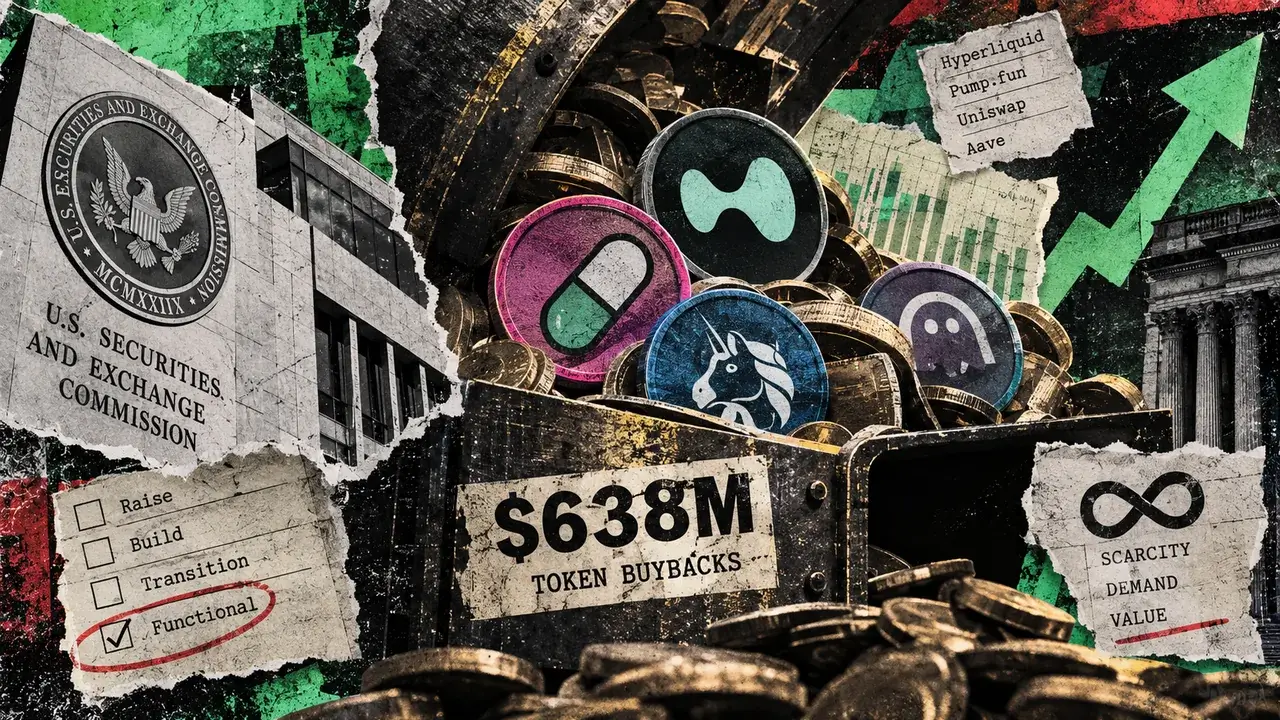
SEC clears regulatory hurdle as crypto token buybacks hit record $638 million
Crypto projects spent about $638 million with token buybacks through late August 2026, according to Allium Labs data. That is alre...

Ledger Opens 24/7 Tokenized Stocks to Millions With xStocks Integration
Key Takeaways: Ledger and a new partnership with Payward have brought xStocks to the Ledger wallet ecosystem. Eligible Ledger hold...

Discover How 20 Million Russians Tap Into Over $43B in Cryptocurrency
Deputy Finance Minister Ivan Chebeskov has estimated that 20 million Russians have invested 3.7 trillion rubles (nearly $44 trilli...