Philippines adopts Tether’s USDT for social security payments
The Social Security System is a state-run social insurance program that serves employees in the official, informal and private sectors.
Archive context
Older archive item. Useful for background and entity history, but not a fresh market-moving signal.

The Social Security System is a state-run social insurance program that serves employees in the official, informal and private sectors.
Why this matters
This security story adds another data point to the current market tape and is useful when read alongside nearby source coverage.
Original source
Read on CointelegraphRelated market context

BNB Chain joins Mastercard’s Crypto Partner Program as payments giant deepens digital asset push
Mastercard's expanded crypto initiative with BNB Chain could accelerate global adoption of blockchain-based payment solutions, enh...

TRC20 vs ERC20 for Casino Players: The Real Cost of Moving USDT
The wrong choice can devastate your bankroll before you’ve even had a chance to play that first hand or spin one of that first set...
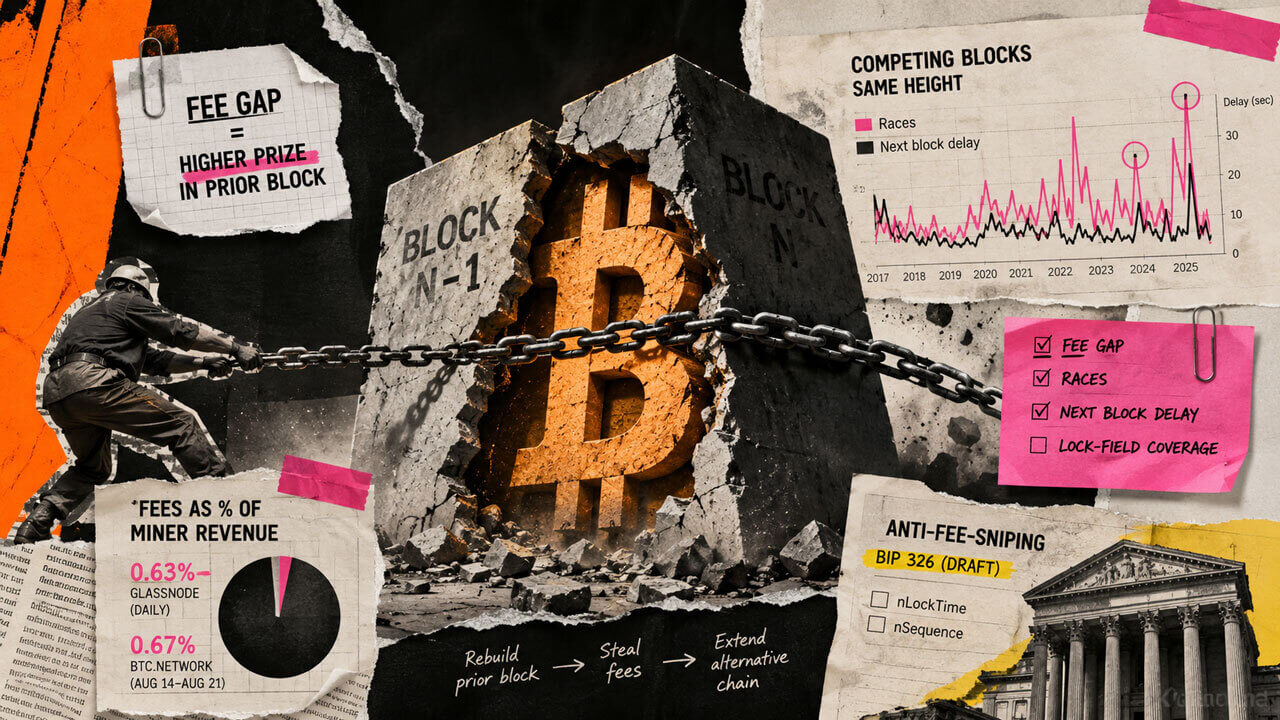
Bitcoin’s security risk starts when one block gets far more fees than the next
Bitcoin’s security-budget debate usually starts with one total: how much miners collect in transaction fees as the block subsidy s...

Rent TRON Energy and Reduce USDT Fees : TronBid Expands Marketplace
Berlin, Germany, August 26th, 2026, Chainwire TronBid expands its two-sided TRON resource marketplace, giving users new ways to re...

Shinhan Financial partners with Visa on stablecoin and AI payments
This partnership could accelerate the integration of stablecoins into mainstream finance, potentially transforming global payment...
US Opens a New Front Against Iran’s Crypto Economy
Bitcoin Magazine US Opens a New Front Against Iran’s Crypto Economy The U.S. this week closed in on Iran, further targeting its cr...