Trezor Initiates Investigation as Phishing Campaign Targets Crypto Hardware Wallet Users
Source: Pixabay Trezor, a cryptocurrency hardware wallet company, is currently investigating a potential data breach due to an ongoing email phishing campaign. On October 26, the anonymous blockchain investigator ZachXBT...
Archive context
Older archive item. Useful for background and entity history, but not a fresh market-moving signal.

Source: Pixabay
Trezor, a cryptocurrency hardware wallet company, is currently investigating a potential data breach due to an ongoing email phishing campaign.
On October 26, the anonymous blockchain investigator ZachXBT reported a phishing attack targeting Trezor users via his Telegram channel. ZachXBT cited a post on X (formerly Twitter) from the account JHDN, which raised concerns that Trezor might have experienced a breach.
It looks like Trezor may have been breached? @Trezor @zachxbt #Trezor pic.twitter.com/4lmjZE1Quk
— j (@JHDN) October 26, 2023
These concerns were based on the receipt of phishing emails sent to the specific email accounts used for purchasing Trezor wallets, suggesting a potential compromise of user data.
Users reported receiving phishing emails encouraging them to install an app from the domain’ trezor.us,’ which is different from the official ‘trezor.io’ domain.
Trezor is investigating the extent of the breach, and until further notice, users are advised not to click on links from unauthorized sources to safeguard their security. Trezor’s brand ambassador, Josef Tetek, confirmed the awareness of the phishing campaign and outlined the company’s ongoing efforts to combat such threats.
Trezor actively reports fake websites, contacts domain registrars, and educates users on the potential risks associated with phishing attacks.
“Users should never enter their recovery seed directly into any website or mobile app or type it into a computer. The only safe way to work with the recovery seed is as per the instructions shown on a connected Trezor hardware wallet.”
In a previous blog post from 2022, Trezor highlighted the modus operandi of a phishing email scam. Typically, these scams involve users clicking on a link in the email, which directs them to a fraudulent Trezor Suite app. This fake app then prompts users to connect their wallet and input their seed. Once the seed is entered into the app, it becomes compromised, enabling the attacker to swiftly transfer funds to their wallet.
While hardware wallets like Trezor are known for their security features, phishing remains a significant threat in the cryptocurrency space, as it can deceive users into compromising their wallets or private keys.
Crypto Community Faces Rising Threat of Phishing Attacks as Trezor Issues WarningsTrezor has battled many phishing attempts over the years. The company maintains a real-time blacklist of scam sites and guides users on identifying frauds. It has also warned its users in the past about a new phishing attack targeting their crypto investments by trying to steal their private keys.
Early this year, Trezor took its X account to caution users about an active phishing attack designed to steal investors’ money by making them enter the wallet’s recovery phrase on a fake website. However, it is not only Trezos that is combating phishing. According to some cybersecurity reports, the number of cryptocurrency phishing attacks saw a 40% increase in 2022.
In 2020, rival hardware wallet firm Ledger suffered a massive data breach, with attackers publicly exposing the personal information of more than 270,000 Ledger customers. Also in September, a crypto whale fell victim to a massive phishing attack, losing millions of dollars in staked Ether on the liquid staking provider Rocket Pool.
The investor lost their entire address balance of Lido Staked ETH (stETH) and Rocket Pool ETH (rETH). At the time of the attack, the amount stolen was worth $15.5 million in stETH and $8.5 million in rETH, a staggering $24 million combined.
Cryptocurrency investors have been suffering from multiple phishing attacks, despite many efforts to curb such scams.
The post Trezor Initiates Investigation as Phishing Campaign Targets Crypto Hardware Wallet Users appeared first on Cryptonews.
Why this matters
This security story adds another data point to the current market tape and is useful when read alongside nearby source coverage.
Original source
Read on CryptonewsRelated market context

Ledger asks more Southeast Asia resellers to halt wallet sales
Crypto wallet firm Ledger is asking resellers and distributors in Hong Kong and countries across Southeast Asia to stop selling it...

Samsung Wallet adds USDC transfers on Solana for US Galaxy users
Samsung's integration of USDC on Solana into its Wallet app could accelerate mainstream crypto adoption by simplifying cross-borde...

CZ wants every hardware wallet to come in a see-through case
Transparent hardware wallets could enhance user trust, but the focus should remain on secure sourcing and effective tampering dete...
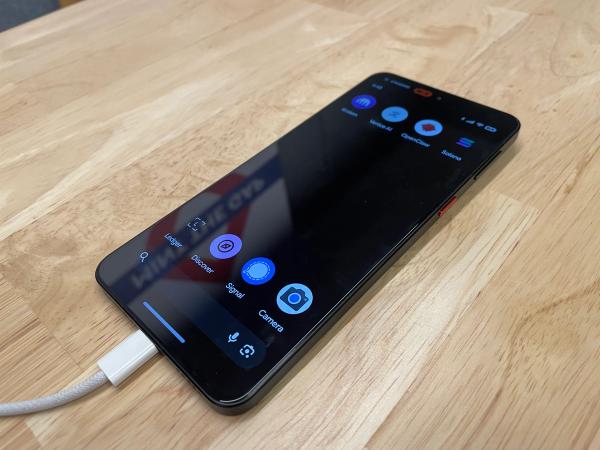
Under pressure Ledger unveils plan to turn its crypto hardware wallet into a smartphone
Ledger’s Atom will run apps like WhatsApp and Instragram and let users switch between smartphone functions and a protected mode fo...

Ripple and Privy Bring XRP Wallets to XRPL After $1T Moved Across 8M Accounts
Key Takeaways: With the collaboration of Ripple, Privy offers programmable wallet infrastructure to the XRP Ledger. Developers can...

Privy Wallets Are Coming to the XRP Ledger, Aimed at Stablecoin Payments and AI Agents
Privy, the crypto wallet provider Stripe agreed to acquire last year, is extending its wallet tools to the XRP Ledger (XRPL) throu...