XRP Ruling Sends Shockwaves Through The Financial System
The recent court ruling on XRP has proven to be more than just a legal win for Ripple. What began as a high-stakes legal battle has evolved into a precedent-setting moment that challenges long-standing interpretations of...
Archive context
Older archive item. Useful for background and entity history, but not a fresh market-moving signal.

The recent court ruling on XRP has proven to be more than just a legal win for Ripple. What began as a high-stakes legal battle has evolved into a precedent-setting moment that challenges long-standing interpretations of securities law. The verdict’s effects are now being felt across global markets, forcing institutions to reassess their engagement with digital assets.
How The Verdict Sets A Precedent For The CryptoIn an X post, John Forster noted that the recent ruling on XRP was more than a legal victory, but a structural shock to the foundations of the financial system’s status quo. The count concluded that XRP is not, in certain contexts, like a security, which has set a legal precedent that could transform how financial infrastructure is built, classified, and regulated.
However, this is a precedent with far-reaching implications, and this ruling shifts the legal conversation by elevating functional utility and transactional purpose above the narrow lens of historical fundraising when determining asset classification.
According to the expert, this shift threatens to disintermediate entrenched control over payment rails on/off ramps, which have long been a cornerstone of the legacy banking model. From the beginning, XRP was never designed as a speculative asset, but it was built as infrastructure.
Furthermore, tokens designed for settlement, liquidity, and operational efficiency can now operate outside Wall Street’s traditional gatekeeping structures. By offering instant settlement, minimal transaction fees, and compliance-grade protocols, XRP has positioned itself as a credible alternative to SWIFT for cross-border payments and liquidity management.
In traditional banking, the entities that control the underlying transactional rails effectively dictate the flow of value and hold the strategic high ground. The enforcement action against XRP was less about protecting investors and more about preserving regulatory and institutional dominance over these critical mechanisms of value transfer.
If XRP prevails, it would establish a legal and operational framework allowing other utility-focused assets to function without being forced through the choke points of traditional capital markets.
Why XRP Is Essential For Scalable Financial SolutionsRipple’s decision to fight stands in contrast to many digital asset firms that have surrendered under the pressure of protracted regulatory litigation. Ripple leadership recognized that a loss in the XRP case would have left every blockchain protocol with true settlement-grade utility exposed to regulatory suppression.
With substantial capital reserves and a clear strategic imperative, the company was positioned to challenge the system and defend not only its interests but also create a precedent that could empower the broader digital asset ecosystem.
Amidst the legal victory, crypto expert Jack Claver has underscored XRP’s transformative power, stating it is designed to upgrade the existing financial system. While many blockchains focus on string value, XRP is built to enable real-world financial applications, creating a faster, more efficient, and transparent way to move money globally. Therefore, high-performance infrastructure is essential for this vision.
Why this matters
This altcoin story adds another data point to the current market tape and is useful when read alongside nearby source coverage.
Original source
Read on NewsBTCRelated market context
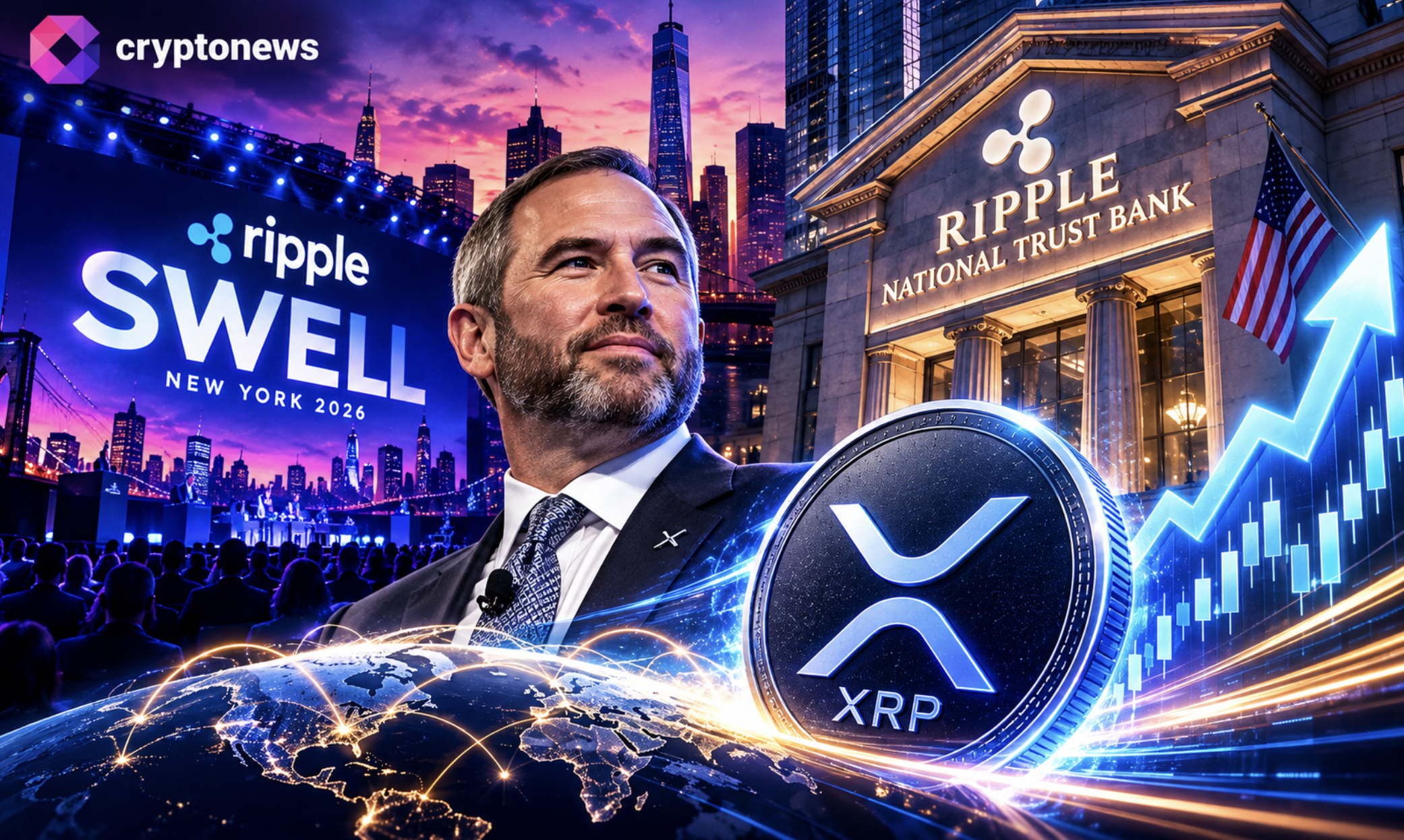
XRP Eyes $15 as Ripple Wins Final Bank Approval Ahead of Swell
Ripple has secured final U.S. approval for its national trust bank, giving XRP investors another reason to watch the coin as Swell...

Brad Garlinghouse Announces Final OCC Approval for Ripple National Trust Bank
The decision completes a regulatory process that began with conditional approval in December 2025. The new charter is expected to...
Ripple Wins Final OCC Trust Bank Approval, Putting $2.5B RLUSD Under Federal Oversight
Key Takeaways: Ripple received final OCC authorization for its national trust bank. The bank will back up both reserves (RLUSD) an...

Ripple Pushes RLUSD Into 24/7 Corporate Cash With AI Treasury Platform Expansion
Key Takeaways: Ripple Treasury introduced Returns 24/7, a program that lets qualified businesses get back 24/7 on their qualifying...

RWA WEEK Singapore 2026 Brings Together Institutional Finance and Digital Asset Leaders as Tokenization Moves Toward Mainstream Adoption
Singapore, October 2026 — RWA WEEK Singapore 2026 has successfully concluded, bringing together institutional investors, financial...

Binance lists 227 futures pairs in 2026, with most tracking traditional assets
Binance's focus on traditional assets in futures trading could blur lines between crypto and traditional finance, impacting market...