Debt: Bitcoin Is Not A Return To Stateless Money, It Is the First
I have just finished reading Debt: The First 5000 Years by anthropologist David Graeber. The book takes a look at the history of money, debt, and how they relate to societal structures from a lens that departs heavily fr...
Archive context
Older archive item. Useful for background and entity history, but not a fresh market-moving signal.
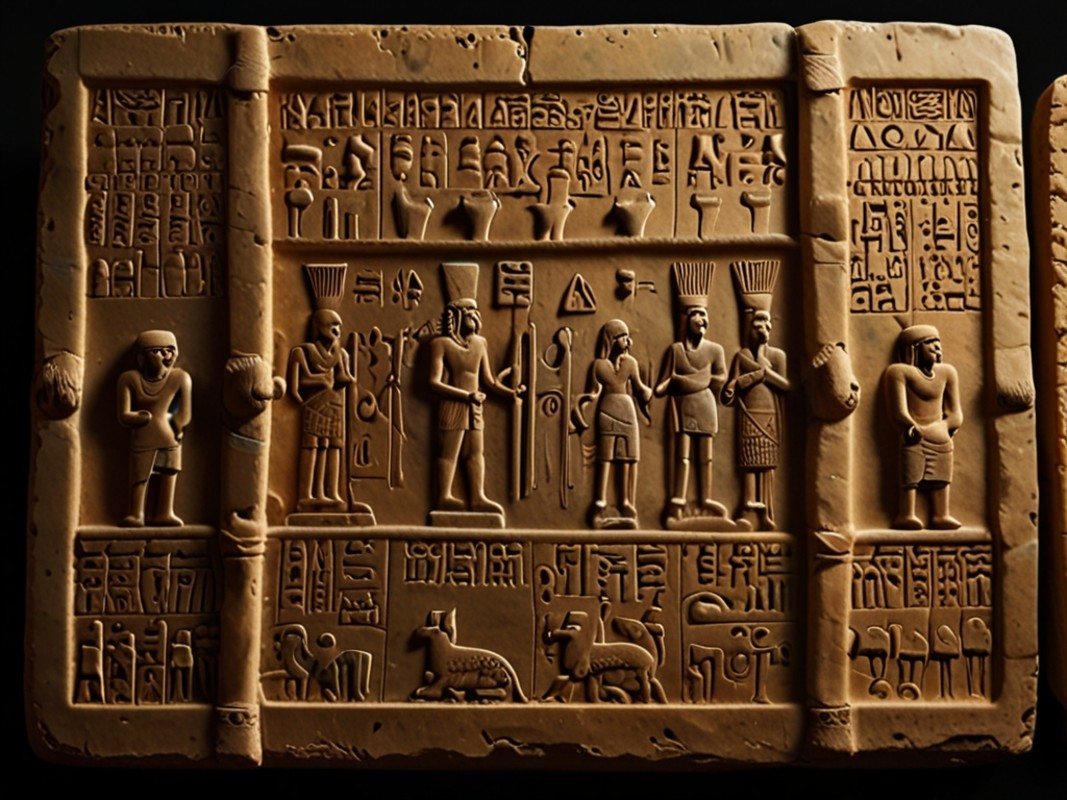
I have just finished reading Debt: The First 5000 Years by anthropologist David Graeber. The book takes a look at the history of money, debt, and how they relate to societal structures from a lens that departs heavily from the conventional wisdom of economic thinking.
Conventional wisdom paints a picture of people inefficiently bartering goods and services directly for each other, and money naturally arising as a result of the problems inherent in this. Graeber eviscerates this narrative looking at anthropological history. Primitive communities simply shared their resources freely with each other, living in a communal lifestyle, with bartering rarely taking place, and only in the context of separate communities interacting with each other. It played no role in early societies’ intra-communal affairs.
Money, as in commodity money, only began to be used in rare inter-communal interactions across great distances. The economy in local regions did not begin using such mechanisms for exchange. They used credit. Credit operated and overseen by the government, such as in Ancient Sumer. This system grew out of the informal “credits” people considered when sharing resources in more primitive societies. But it was formalized and maintained by the power structure of the government and temples of Sumer. No money would change hands during exchanges, people would simply record debts stored at the temple, and periodically settle their obligations with actual consumable commodities.
Debt came before coinage, and it was created and maintained at scale by the state. Commodity money only came later, again minted and circulated by the state, as large scale trust based civilizations collapsed and gave way to warring imperial states. Debt and credit do not make much sense in a time period of constant war and roving armies, with no certainty at all they will ever return to settle debts after moving on.
Ever since, with the anomaly of the modern era and central banks, human societies have oscillated between virtual credit money and coinage depending on whether or not the era of the time was predominantly predicated on large scale war and conquest. The same patterns repeated through the ages as well, with people creating their own informal and localized credit networks after large Empires using coinage fell, the government slowly inserting themselves into these to mediate, and inevitably the return of coinage as violent Empires rose.
Bartar, as conventionally taught, was never actually a part of this process of the development of money, and the state invariably had a direct involvement in the formation of monetary systems and markets.
I’m sure many people are incredibly triggered reading that, but Graeber’s case is very solid and built upon actual historical and anthropological evidence, rather than speculation. Especially the idea that Chartalism has a much sounder basis than many in this space would like to admit.
This actually makes Bitcoin all the more profound to me. Bitcoin isn’t simply going back to a stateless money, I don’t think that one ever truly existed after reading Debt. Bitcoin is the first stateless money to ever exist. To me, that makes it an even more immense accomplishment and historical shift.
Regardless of your economic leanings, I recommend giving this book a read. It will give you quite a lot to think about in the context of Bitcoin.
This article is a Take. Opinions expressed are entirely the author's and do not necessarily reflect those of BTC Inc or Bitcoin Magazine.
Why this matters
This bitcoin story adds another data point to the current market tape and is useful when read alongside nearby source coverage.
Original source
Read on Bitcoin MagazineRelated market context

Aave’s $50 million lending plan could lose money without a single default
Aave’s proposed institutional lending business would put crypto collateral on both sides of the financing chain. Institutions woul...

Standard Chartered says Ethena’s ENA could crush Bitcoin and Ethereum returns by 2028
Standard Chartered expects Ethena’s ENA token to rise about sevenfold by 2028, provided the protocol can rebuild its shrinking syn...
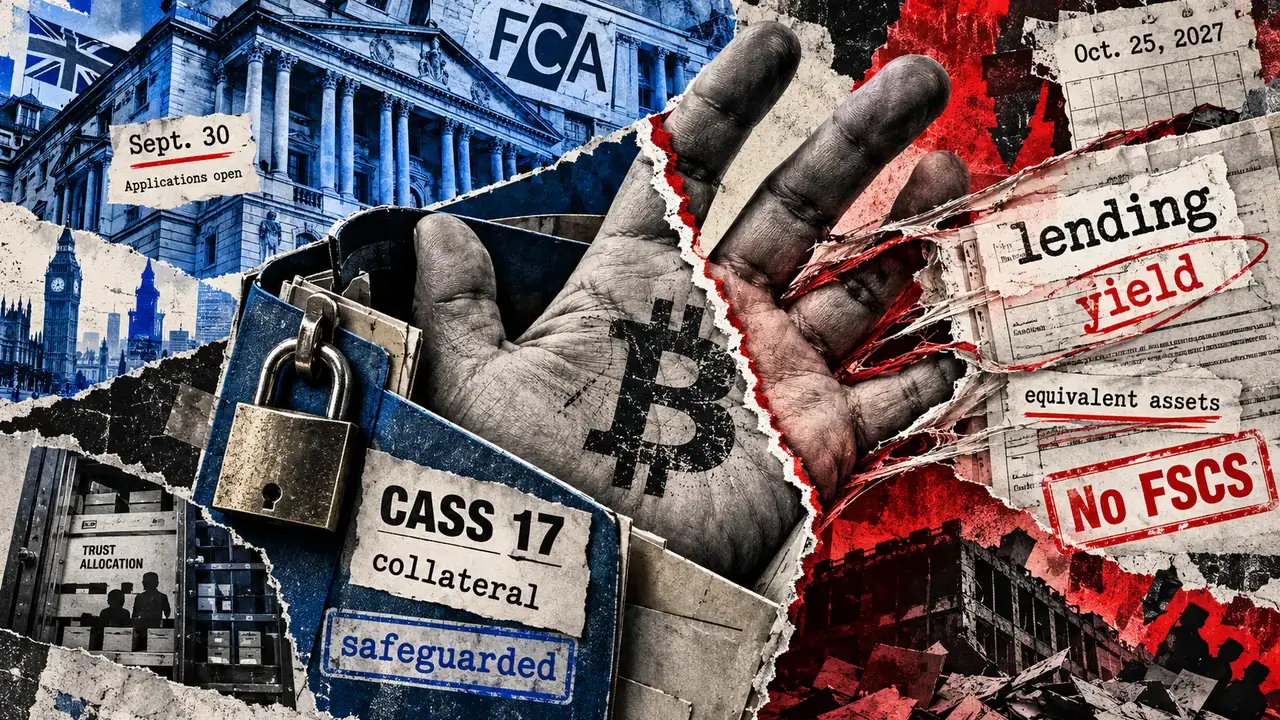
UK’s 2027 crypto rules let firms remove trust protection from Bitcoin lent for yield
UK crypto firms can now apply for authorization as of Sept. 30, bringing Bitcoin holders closer to a rulebook that will treat coin...

Aztec Revives Its Private Payments Wallet, Capping Every Transfer Below $2,500
Aztec Labs relaunched zk.money on Tuesday, bringing back its self-custodial wallet for private stablecoin payments on Aztec Networ...

The SEC’s Buyback Guidance Is Narrower Than It Looks. Does Yours Pass the Test?
Crypto projects that buy back their own tokens have operated under a dour legal cloud within the US for nearly a decade. A buyback...

SEC changes token buyback guidance as spending hits $638M
The US Securities and Exchange Commission tightened its guidance for crypto token buybacks just three days after publishing it. On...