From Pharaohs’ Vaults to Digital Wallets: Gold Battles Bitcoin in the Race for Value
For centuries, gold has captivated societies with its rarity and value. Ancient civilizations prized it as both decoration and a symbol of wealth and power. The Egyptians buried their pharaohs with gold artifacts, while...
Archive context
Older archive item. Useful for background and entity history, but not a fresh market-moving signal.

For centuries, gold has captivated societies with its rarity and value. Ancient civilizations prized it as both decoration and a symbol of wealth and power. The Egyptians buried their pharaohs with gold artifacts, while empires like the Roman, Persian, and Chinese minted gold coins as currency. Its scarcity and beauty made it highly sought after for adornment and trade.
The Gold Standard: A Foundation of Stability
In the 19th and 20th centuries, the global financial system relied on the gold standard. Currencies were pegged to gold reserves, limiting money printing and supporting monetary stability. The Bretton Woods Agreement later fixed the U.S. dollar—and other currencies—to gold, making it central to the post-war system.
By the early 1970s, inflation and the need for flexibility ended direct gold backing. Still, central banks and private holders kept gold as a safeguard during crises and inflation.
The Rise of Bitcoin: A Modern “Digital Gold”
In 2009, Bitcoin emerged as another form of value storage, created by an enigmatic figure or group known as Satoshi Nakamoto. Unlike traditional currency, Bitcoin operates on a decentralized blockchain—a global ledger maintained by a network of computers. This system is inherently free from government or central bank control, relying instead on cryptographic methods to validate and record transactions.
🚨 "Bitcoin should be treated as a commodity like gold, not a currency.📢 Trade it freely—no harm, only freedom," says @howardlutnick.🇺🇸 The U.S. embraces #Bitcoin — and there’s no turning back. pic.twitter.com/ylXG4mjs8p
— Crypto News (CoinGape) (@CoinGapeMedia) April 29, 2025Bitcoin's scarcity is one of its most notable features: only 21 million bitcoins can ever be created. This fixed cap has led some to refer to Bitcoin as “digital gold,” drawing parallels with its predecessor's role in anchoring national currencies. Unlike physical gold, Bitcoin offers unique advantages such as portability and divisibility.
You may find it interesting at FinanceMagnates.com: Crypto Surges to $3 Trillion, AI Disruption, US Policy Shifts: 2025 Investment Forecast.
Advantages of Bitcoin Over Gold
Gold, though historically reliable, has limitations that Bitcoin aims to address:
Portability: Moving gold is costly and slow, while Bitcoin transfers across borders take minutes with low fees.
Divisibility: Bitcoin can be split into tiny fractions, allowing micro-transactions impractical with gold.
Transparency: Blockchain records all transactions publicly, offering more transparency than the global gold market.
Storage: Gold needs secure vaults, while Bitcoin can be stored digitally, though cybersecurity remains a key concern.
Bitcoin's Rising Popularity
Bitcoin's popularity stems from its status as a “hot commodity” today. The adoption has spread across various sectors:
Mainstream Adoption: Large payment processors, online retailers, and even brick-and-mortar businesses now accept Bitcoin.
Inflation Concerns: Investors use Bitcoin to hedge against inflation, particularly when governments devalue their currencies through excessive money printing.
Institutional Involvement: Major financial institutions like hedge funds and asset managers are increasingly allocating portions of their portfolios to Bitcoin to lend credibility to the asset class.
Media Attention: Volatile price movements and stories of early adopters becoming wealthy have kept Bitcoin in the public eye, sparking interest among traditional investors.
MicroStrategy's Role in Bitcoin Adoption
Public business intelligence firm MicroStrategy has emerged as a key player in Bitcoin adoption. Under CEO Michael Saylor, the company converted significant portions of its cash into Bitcoin, citing concerns about fiat currency depreciation. This move not only captured media attention but also inspired other companies to integrate Bitcoin into their treasury strategies.
Generating Yield with Bitcoin
Unlike physical gold, Bitcoin offers ways to generate passive income:
Lending Platforms: Bitcoin can earn interest when deposited on platforms that lend to borrowers.
Collateralized Loans: Holders can secure loans in fiat or stablecoins, with returns depending on how borrowed funds are used.
Decentralized Finance (DeFi): Bitcoin can be placed in decentralized apps to earn fees by providing liquidity, though smart contract and market risks apply.
These options give Bitcoin holders yield opportunities unavailable with gold.
Gold’s Legacy, Bitcoin’s Digital Future
Gold has long been a safe haven and store of value, with undeniable historical reliability. In a digital world, Bitcoin offers a compelling alternative, often called “digital gold.” It shares gold’s scarcity but adds portability, divisibility, and transparency.
However, Bitcoin remains highly volatile, acting more like a commodity than a stable currency. Its price swings make it better suited for long-term investment. As always, due diligence and risk tolerance are essential.
This article was written by Dr Demetrios Zamboglou at www.financemagnates.com.Why this matters
This bitcoin story adds another data point to the current market tape and is useful when read alongside nearby source coverage.
Original source
Read on Finance MagnatesRelated market context
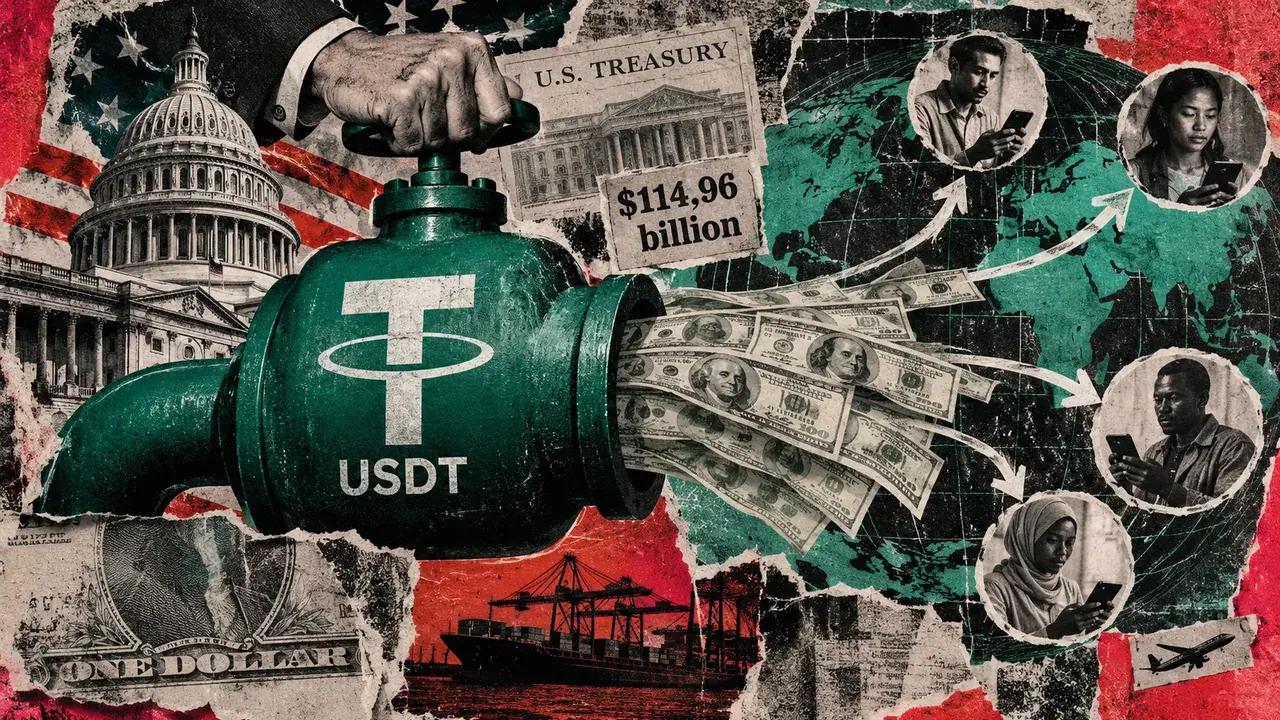
Washington has $114 billion reasons to want Tether around
Not that long ago, Washington fined Tether for misleading people about the dollars behind its tokens. Today, the company's insatia...
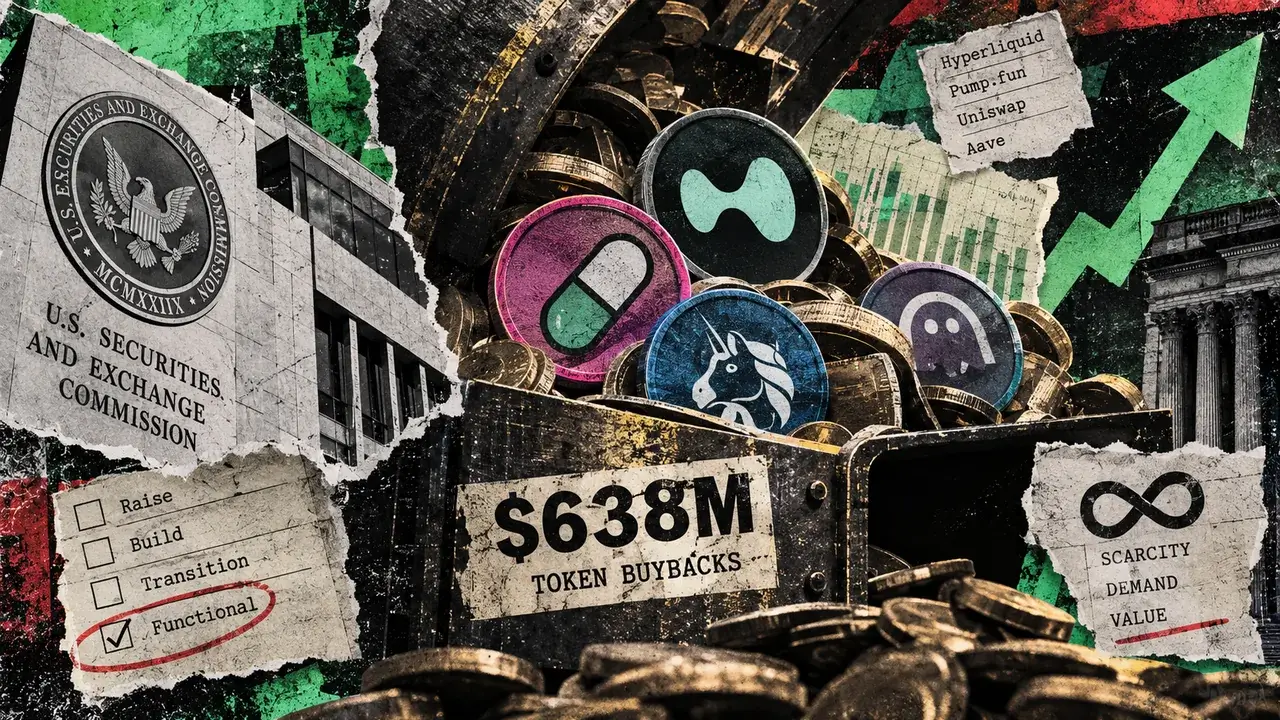
SEC clears regulatory hurdle as crypto token buybacks hit record $638 million
Crypto projects spent about $638 million with token buybacks through late August 2026, according to Allium Labs data. That is alre...

AI Crypto Coins Revenue Gap Puts Token Value to the Test
The AI coin crypto sector sits at $24-25 billion, with a total crypto market of approximately $2.86 trillion. Anthropic reportedly...

Ripple CEO Brad Garlinghouse Says XRP and Solana Can Both Thrive in Crypto’s Next 5 Years
Garlinghouse’s comments have resurfaced as XRP and Solana both trade near important technical levels following recent gains. “I’m...

SEC Clarifies When Crypto Buybacks And Network Upgrades Can Raise Securities Questions
TL;DR SEC staff has published new FAQs explaining how federal securities laws may apply to crypto-asset buybacks, network upgrades...

Why your tokenized stock could stop trading for three months
Buying a tokenized stock sounds as though it should be simple. You pick a company you know, buy a token representing its shares, a...