Turkey’s Inflation Is An Example Of Why We Need Bitcoin
Increasingly expensive groceries, wages unable to keep up and desperation amongst the people are proof of the necessity of decentralized currency.Turkey is a cautionary tale and perhaps a harbinger of things to come for...
Archive context
Older archive item. Useful for background and entity history, but not a fresh market-moving signal.
Increasingly expensive groceries, wages unable to keep up and desperation amongst the people are proof of the necessity of decentralized currency.
Turkey is a cautionary tale and perhaps a harbinger of things to come for other countries with weakening currencies. The Turkish lira has fallen by nearly 45% against the dollar so far this year and has plummeted as much as 20% in one week. Economists believe that Turkey could be on the brink of hyperinflation as year-to-year Consumer Price Index could end up over 30% in the coming months.
While experts blame the Central Bank of the Republic of Turkey for not raising interest rates, people like Tal suffer the consequences of double-digit inflation. Tal (name changed to protect his identity) who works at a global coffee shop in Turkey, has observed “During the first week of January 2021, I was earning about 4,774 lira (or $360), but as of November it is about 2,917 lira (or $220). If I wanted to drink a large toffee nut latte, I would have to pay about 25% of what I earned for that day.”
For those who have not experienced the kind of inflation that Tal is living with, he shared a few of the dramatic changes in food prices: A box of vanilla sandwich cookies increased from 5.75 lira in September to 8.50 lira in November 2021; in many places baby formula has doubled in price. “People need to understand how bad the economy is here. I believe Bitcoin is the solution. In Turkey, we now have over 5 million people investing in bitcoin and cryptocurrencies,” said Tal. “I try to save as much money as I can to bitcoin, because bitcoin is the best solution.”
Retirees on limited monthly incomes and civil servants have also had similar experiences. Grocery prices have climbed so rapidly that a purchase of tomato paste, bread, yogurt, fruit juice and crackers costs over 46 lira. For a family living on a 2,500 lira monthly income, just eating is prohibitively expensive. Although Erdogan recently raised the salary of many government workers by nearly 30%, this has done little to counteract spiraling inflation.
“Let the president come here and do shopping together with us."
Turkey's escalating living costs have led to more protests and dissent in the country, which is known for stifling opposing views and detaining political opponents. Recently President Erdogan detained Metin Gurcan, a leading member of an emerging opposition group, the Democracy and Progress Party (DEVA), on charges of espionage. Even with the threat of being detained present, public employees still intend to hold demonstrations in Diyarbakır, İzmir, İstanbul and Ankara. Mehmet Bozgeyin of the Confederation of Public Employees Trade Unions (KESK) called the government’s economic policies a coup against the people and said “Every day, we wake up to a day with price increases. We have found ourselves in such a situation that we cannot meet our basic needs."
Worse, shortages are occurring in imported medicines, medical equipment and electronics. Bakeries are threatening to close as ingredients for making bread have become too expensive to obtain. Even the otherwise pro-government supporter Abdulkadir Selvi, of the Turkish Hurriyet Daily News expressed concern over the present economic course being taken, stating that, “economic turmoil has broad political consequences [that] we can’t ignore.”
With elections scheduled in June 2023, and no direct way to oppose President Erdogan’s stance on lower interest rates as a long-term solution to inflation, opposing political factions have few options to get Turkey’s central bank to alter economic policy. President Erdogan has credited Turkey’s recent GDP growth of 7.4%, and the fact its current account is in surplus as signs that his policies are working. In USD, Turkey had a current account surplus of $1.7 billion in September of 2021, compared to a $ 2.3 billion deficit in the same month last year. Tourism is booming in Turkey as well.
“We are refusing the policy of drawing hot money flow with high interest rates” said President Erdogan during an interview with a state broadcaster. He expressed disdain for the IMF, stating: “Turkey will never again submit its political and economic future to the prescriptions of global economic tutelage institutions, such as the IMF and similar institutions.” Upon removing Minister of Finance and Treasury Lütfi Elvan for opposing his lower interest rate policy, President Erdogan expressed hope that the economy will improve over time while maintaining low interest rates. “Interest rates are the reason, inflation is the result." He called the rate cuts part of his "war of economic liberation" for Turkey, and asked the public to remain calm and "not to stray from common sense" when buying foreign currency, setting prices, and shopping.
As for Tal, the motorbike he hoped to purchase from a local dealer to go to work on and run errands for his family now cost 15,950 lira, over 3,950 lira more than it did in September. He has decided to put off the purchase. For now, in Turkey’s economically volatile times, Tal will continue to buy and hold bitcoin to preserve his savings, and hope for a better future.
This is a guest post by SJ Ware. Opinions expressed are entirely their own and do not necessarily reflect those of BTC Inc or Bitcoin Magazine.
Why this matters
This bitcoin story adds another data point to the current market tape and is useful when read alongside nearby source coverage.
Original source
Read on Bitcoin MagazineRelated market context
Coinbase Asset Management President: Bitcoin to $300k by 2030 | Anthony Bassili
Bitcoin Magazine Coinbase Asset Management President: Bitcoin to $300k by 2030 | Anthony Bassili What’s Coinbase’s asset manager’s...
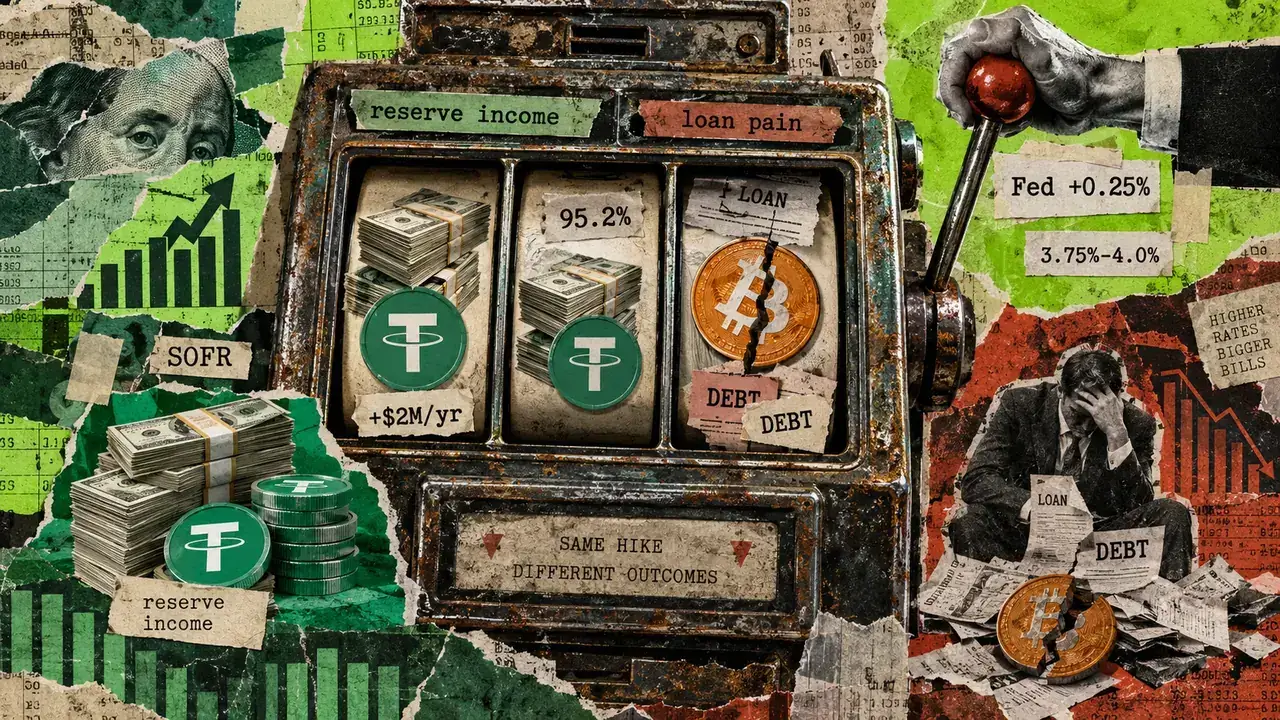
The same Fed rate hike can help stablecoins and hurt Bitcoin borrowers
When you hold a dollar stablecoin, somebody else may be earning interest on the assets backing your balance, while a company borro...
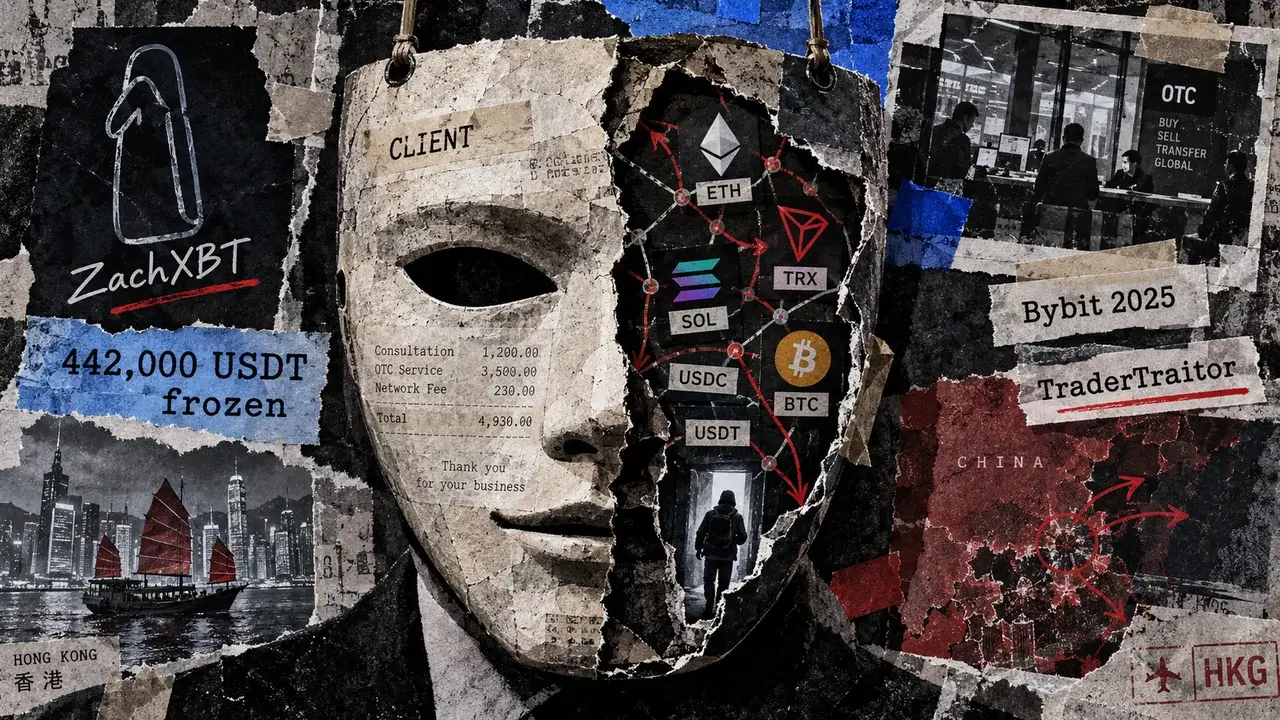
ZachXBT infiltrates $1B crypto syndicate to expose Lazarus Group
Blockchain investigator ZachXBT said he infiltrated a Chinese laundering syndicate by posing as a cryptocurrency client and fundin...
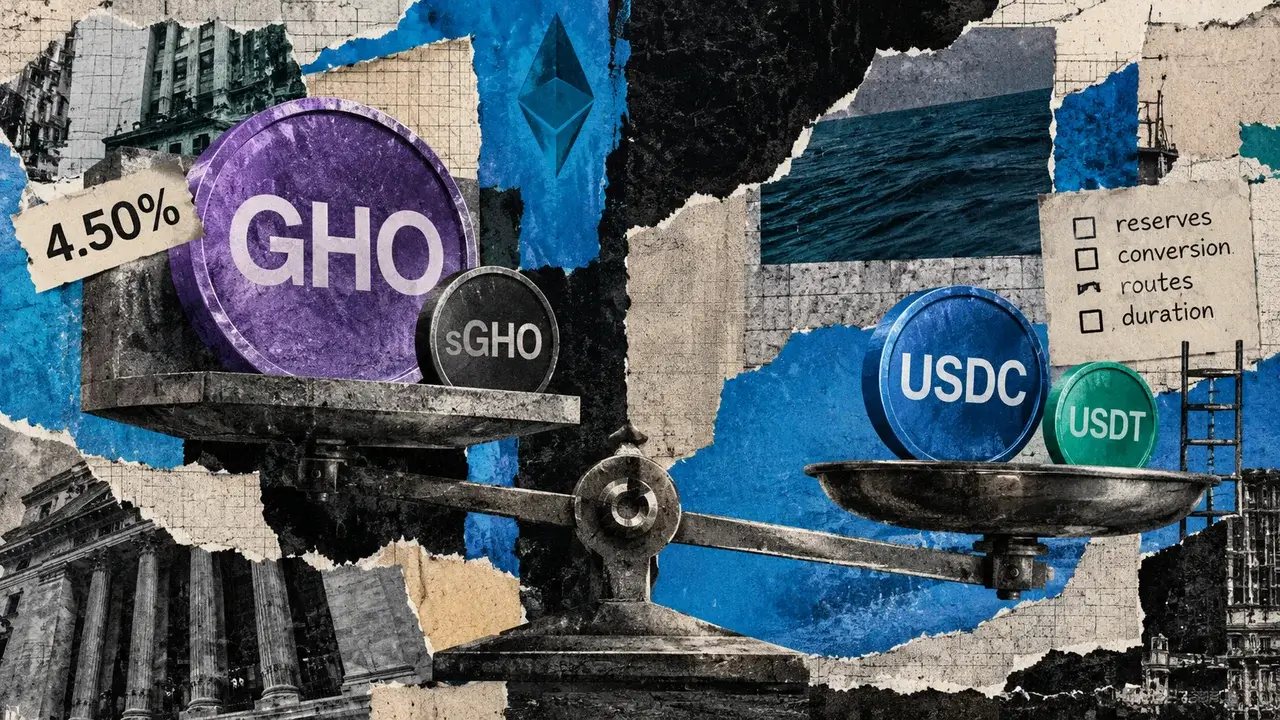
Aave hikes GHO borrow rates to rescue depleted stablecoin pools
Aave’s Ethereum Core market lists a 4.5% borrowing rate for GHO, aligning the stablecoin’s borrowing cost with the savings rate To...
Bitcoin rallies as European demand outpaces US interest
Europe's regulatory clarity and innovative financial products could shift the global Bitcoin market dynamics, challenging US domin...
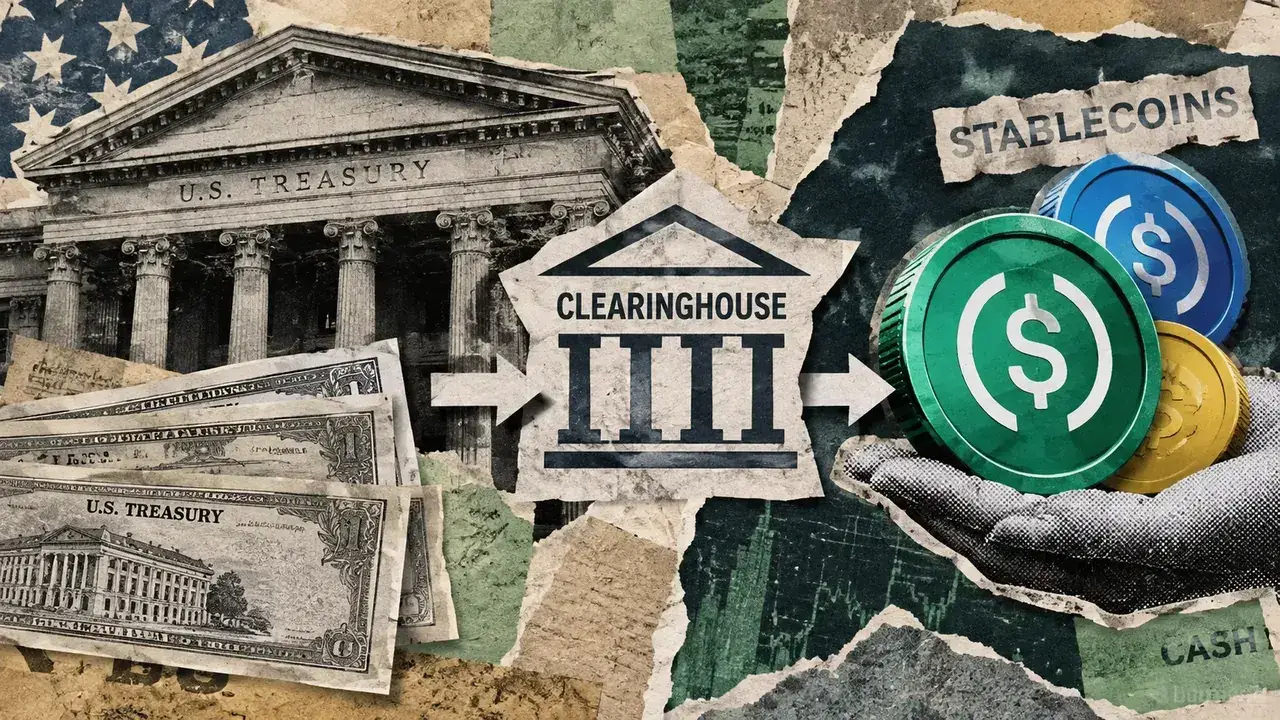
New Treasury rules could change how stablecoin issuers get your dollars back
US government debt is one of the easiest assets in the world to borrow against, which lets financial companies get cash without gi...