CFTC Moves against 3 DeFi Platforms, Slaps Heavy Penalties
The Commodity Futures Trading Commission (CFTC) has taken enforcement action against three decentralized finance (DeFi) protocols, Opyn, ZeroEx, and Deridex, by filing and settling charges. California-based Opyn and Zero...
Archive context
Older archive item. Useful for background and entity history, but not a fresh market-moving signal.

The Commodity Futures Trading Commission (CFTC) has taken enforcement action against three decentralized finance (DeFi) protocols, Opyn, ZeroEx, and Deridex, by filing and settling charges. California-based Opyn and ZeroEx were fined $250,000 and $200,000, respectively, whereas North Carolina-based Deridex has been only been slapped with a civil monetary penalty of $100,000.
All three companies also face cease and desist orders for violating the Commodity Exchange Act (CEA) and CFTC regulations.
CFTC Fines Three DeFi Protocols
As announced yesterday (Thursday), Deridex and Opyn were charged as they failed to register as a swap execution facility (SEF) or designated contract market (DCM) and also as a futures commission merchant (FCM). These two companies didn't include a customer identification program as part of a Bank Secrecy Act compliance program, which is mandatory for FCMs.
The US regulator further charged the three companies for illegally offering leveraged and margined retail commodity transactions in digital assets.
DeFi Platforms Need to Follow the Regulations
DeFi companies offer many bank-like services on the blockchain. As their dealings are primarily with cryptocurrencies, many of these platforms avoid the stringent regulatory approval scrutiny applicable to banks.
Opyn offered trading of a digital asset derivative token called oSQTH, the value of which was based on the company-created Squeeth index, which tracked the price of Ether squared relative to the stablecoin USDC. Users of the protocol could enter into both long and short positions, but for the latter, they need to deposit Ether as collateral. Although the platform blocked US internet protocol addresses to block access of the platform to US residents, it was not sufficient.
Deridex offered trading with perpetual contracts without any license and did not take any steps to exclude clients from the US. Similarly, ZeroEx offered users the ability to trade digital assets on several blockchains.
Arnab, 9:31 “Somewhere along the way, DeFi operators got the idea that unlawful transactions become lawful when facilitated by smart contracts. They do not,” said Ian McGinley, the Director of Enforcement at CFTC. “The DeFi space may be novel, complex, and evolving, but the Division of Enforcement will continue to evolve with it and aggressively pursue those who operate unregistered platforms that allow US persons to trade digital asset derivatives.”
Meanwhile, the CFTC recently received a court order against Mirror Trading International, a forex fraud scheme in South Africa, requiring the company to pay $1.7 billion in restitution to defrauded investors.
This article was written by Arnab Shome at www.financemagnates.com.Why this matters
This blockchain story adds another data point to the current market tape and is useful when read alongside nearby source coverage.
Original source
Read on Finance MagnatesRelated market context
CoinEx quits after 9 years as crypto trading activity concentrates at biggest exchanges
Crypto exchange CoinEx is shutting down after nine years, citing shrinking revenue and rising compliance costs as the reasons the...

Altcoins gained 21% and still lost ground to Bitcoin. What would finally turn the tables?
Glassnode reported that altcoin market capitalization climbed 21% over the past month, while altcoins' share of the combined Bitco...

DOJ Seeks Forfeiture of $61 Million in Crypto Tied to Iranian Oil Sales Allegedly Laundered Through Binance
The U.S. Attorney’s Office for the Southern District of New York filed a civil forfeiture complaint Monday against approximately $...
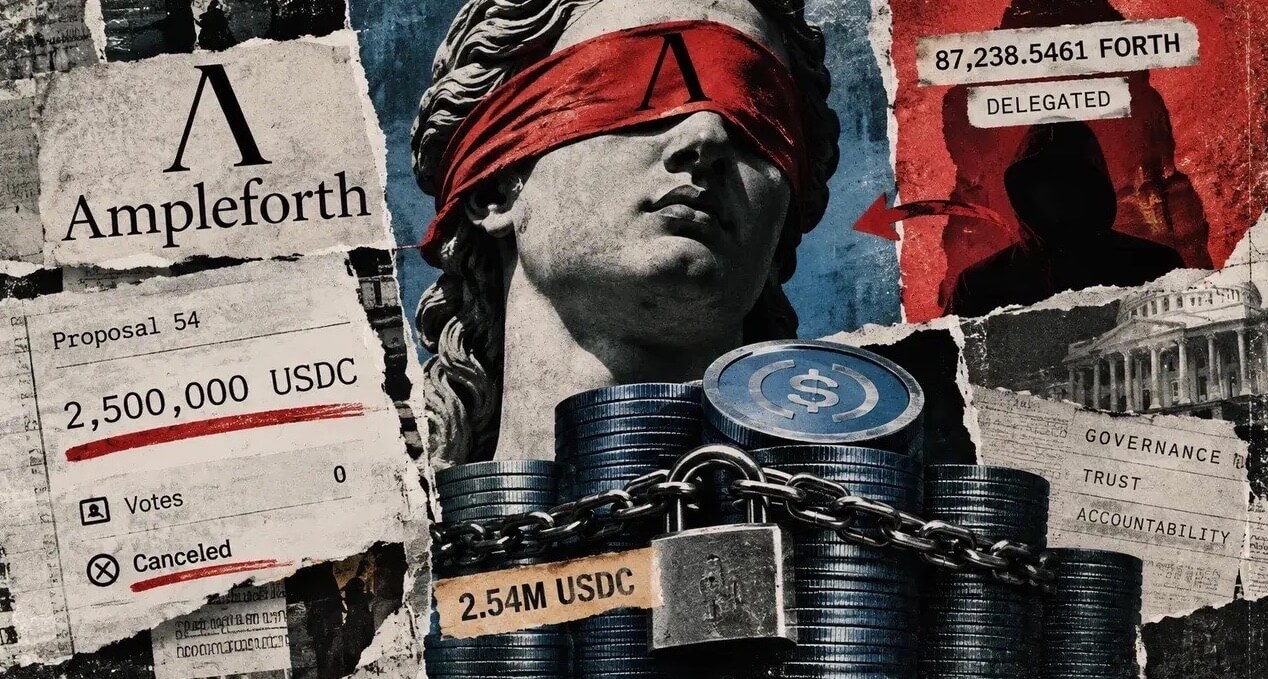
DeFi governance gap allows one wallet to request 98% of Ampleforth treasury’s USDC balance
Ampleforth, a DeFi protocol governed by FORTH token holders, saw Proposal 54 canceled on-chain before its voting window opened. Th...

Balancer Proposes $9M Treasury Wind-Down After V3 Fails to Restore DeFi Revenue Growth
Key Takeaways: Marcus Hardt, CEO of Balancer, suggested an orderly winddown given the lack of revenue generation from the restruct...
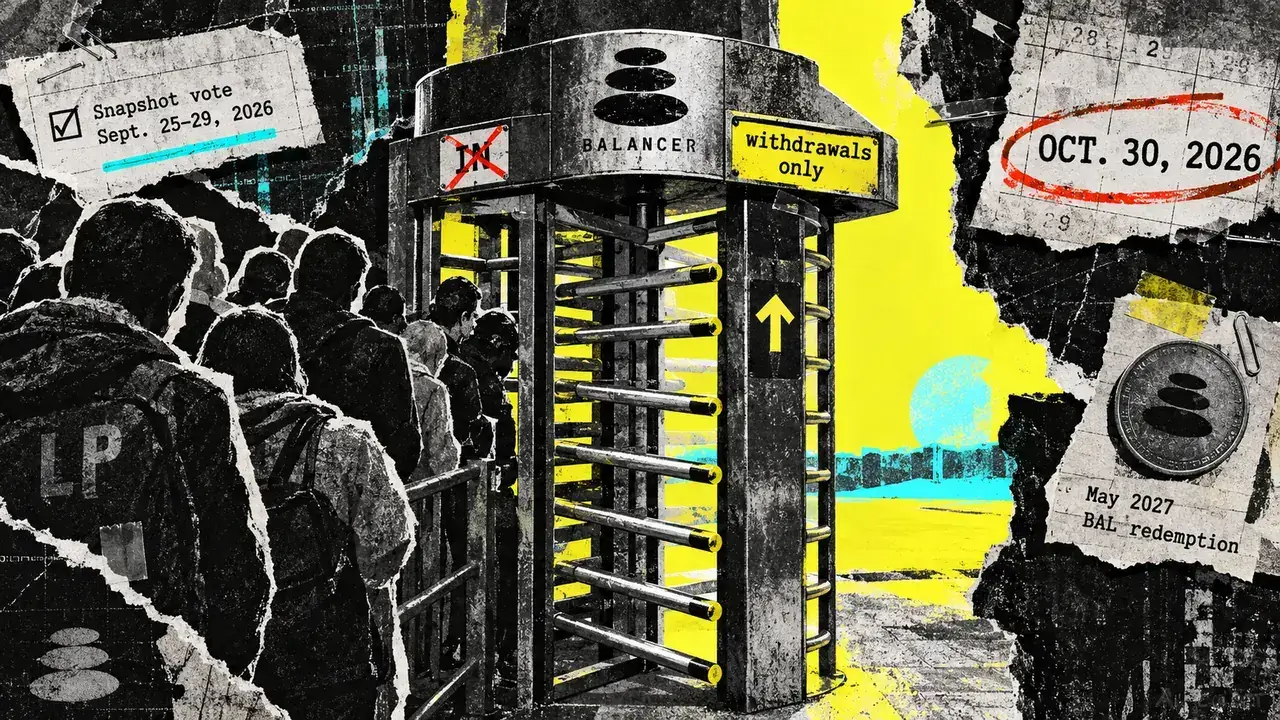
A DeFi giant that once held $3 billion is now proposing to wind itself down
DeFi platform Balancer is proposing an orderly shutdown after a cost-cutting overhaul failed to revive revenue following last year...