29 Crypto Exchanges Survive New Regulation in South Korea, 37 Exchanges Must Shut Down
The deadline for crypto exchanges and service providers in South Korea to meet requirements to stay open under the new regulation has passed. Twenty-nine cryptocurrency exchanges met the deadline to continue operations b...
Archive context
Older archive item. Useful for background and entity history, but not a fresh market-moving signal.

The deadline for crypto exchanges and service providers in South Korea to meet requirements to stay open under the new regulation has passed. Twenty-nine cryptocurrency exchanges met the deadline to continue operations but only four of them can offer trading in Korean won.
New South Korean Crypto Regulation in Effect
The Act on Reporting and Using Specified Financial Transaction Information requires crypto exchanges to obtain Information Security Management System (ISMS) certification and submit a report to the country’s Financial Intelligence Unit (FIU) by midnight on Sept. 24. Exchanges that want to offer trading in Korea won must also form a partnership with a local bank to offer real-name accounts to users.
The Financial Services Commission (FSC), South Korea’s top financial regulator, said Saturday that 29 crypto exchanges are ISMS-certified and submitted a report to the FIU before the deadline. Their submissions will be processed within three months.
Only four out of 29 exchanges — Upbit, Bithumb, Coinone, and Korbit — have successfully partnered with banks to offer real-name accounts to their users. A bank partnership is required for exchanges to offer traders the ability to buy and sell cryptocurrencies in exchange for Korean won. The remaining 25 exchanges are only allowed to operate as crypto-only exchanges.
The 29 crypto exchanges are now obligated to set up a system to adopt global anti-money laundering standards called the “travel rule,” as recommended by the Financial Action Task Force (FATF), an intergovernmental anti-money laundering watchdog.
Bithumb, Coinone, and Korbit are developing a joint system to comply with the travel rule while Upbit, the largest exchange in South Korea, is working on its own system.
After the Friday deadline, 37 small crypto exchanges failed to meet the regulatory requirements and must close their businesses. Exchanges that fail to do so face a fine of up to 50 million won ($42,365) or up to five years in prison.
What do you think about 29 crypto exchanges meeting the regulatory requirements in South Korea but only four being able to trade in Korean won? Let us know in the comments section below.
Why this matters
This cryptocurrency story adds another data point to the current market tape and is useful when read alongside nearby source coverage.
Original source
Read on Bitcoin NewsRelated market context
Mirae plans to turn crypto exchange Korbit into something Korea hasn't seen before
The South Korean financial giant says its Korbit – soon to be rebranded as Digital X – is just the starting point for a broader ec...
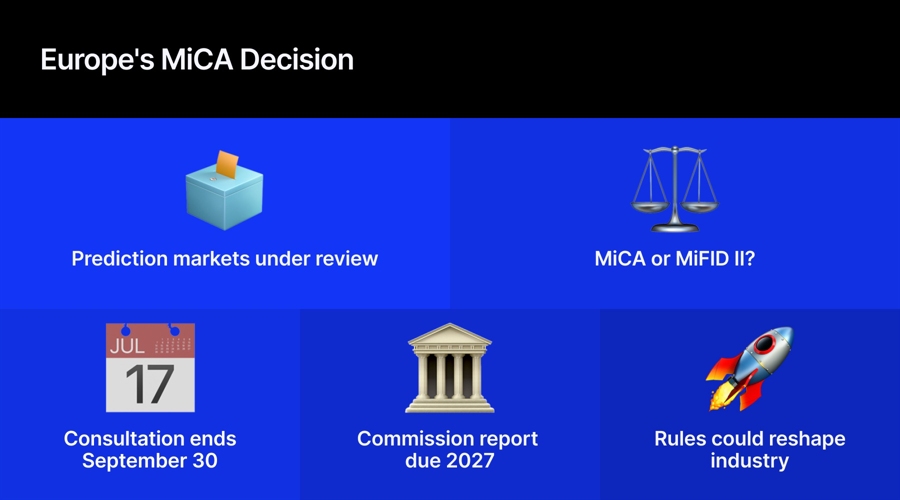
MiCA Is Not Only for Crypto. It Will Also Decide Prediction Markets’ European Future
While the industry spent the summer arguing about stablecoin reserves and DeFi certification schemes, the most consequential quest...

Kraken’s UK Setup Shows Why Crypto Regulation Is More Complicated Than A Simple License
Kraken’s UK presence is a good example of how crypto regulation actually works in practice: not as one broad approval, but as a pa...
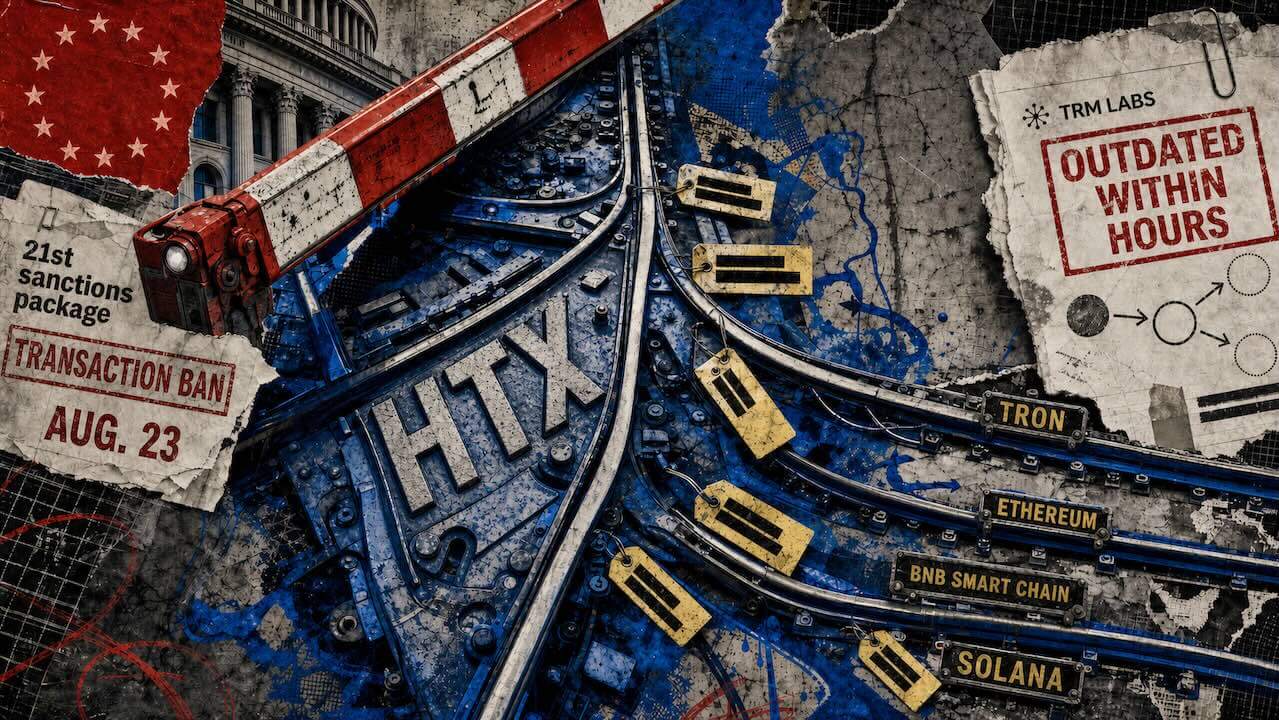
EU expands HTX crackdown as Russia-linked crypto network keeps shifting its financial rails
The European Union has sanctioned HTX, widening a Russia crackdown that has already affected counterparties beyond the exchange. T...
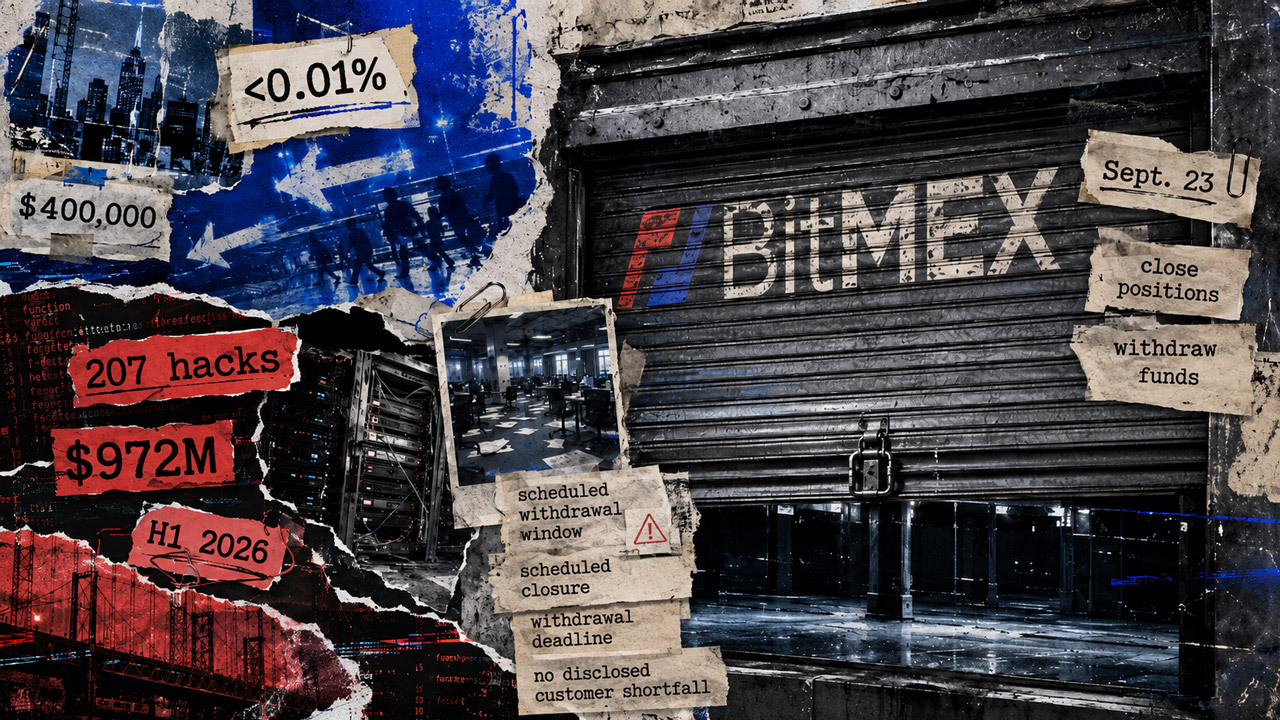
BitMEX shuts down without an FTX style crisis, revealing where crypto’s real danger has moved
BitMEX completed a review of its business and will close on Sept. 23, telling customers to close their positions and withdraw fund...

FATF Says Crypto Travel Rule Adoption Is Rising, But Enforcement Still Lags
The Financial Action Task Force says more jurisdictions are putting crypto rules into law, but enforcement remains the weak point....