Ghana’s Crypto Push Begins As 11 Companies Enter SEC Sandbox
Mobile money is everywhere in Ghana. And now, crypto wants in on that infrastructure too. Foreign Players Circle As Local Framework Takes Shape Blockchain.com, one of the older names in the industry, announced this week...
Archive context
Older archive item. Useful for background and entity history, but not a fresh market-moving signal.

Mobile money is everywhere in Ghana. And now, crypto wants in on that infrastructure too.
Foreign Players Circle As Local Framework Takes ShapeBlockchain.com, one of the older names in the industry, announced this week it had moved into the Ghanaian market with a sharp focus on tying crypto payments to the country’s mobile money ecosystem.
The move came just days after Ghana’s Securities and Exchange Commission published a list of 11 virtual asset companies cleared to operate inside a new regulatory sandbox — the country’s first structured attempt to bring order to a fast-growing crypto market.
The 11 companies admitted to the program are Africoin, Blu Penguin, Goldbod, Hanypay, Hyro Exchange, HSB Global, KoinKoin, Whitebits, Vaulta, XChain, and Bsystem.
They will operate under the Virtual Asset Service Providers Act, a law Ghana passed in December that gave the SEC authority over digital asset activity in the country.
Ghana’s SEC just gave crypto builders the green light
The regulatory sandbox under Act 1154 is MASSIVE. 12 months to build, test and get licensed. No more operating in the shadows. For the youth this isn’t just policy. It’s the financial system that finally sees you.… https://t.co/gOftGciEo1
— Kwabena Kesse, CPA, CRISC (@LKKesse) March 11, 2026
A Controlled Environment With A Clock RunningThe sandbox runs for 12 months. But companies that get their products ready for the market and meet every regulatory requirement could walk away with a full license in as little as six months, according to the SEC.
That is a tight window. Participants must also comply with anti-money laundering rules and counter-terrorism financing standards — requirements the SEC made clear are not optional.
Consumer protection is built into the program’s design, and officials said the lessons gathered during the pilot will directly shape how Ghana regulates crypto going forward.
The VASP law requires anyone operating in the digital asset space to obtain a license or register with either the Bank of Ghana or the SEC. No registration, no operation.
Ghana Joins A Region Already Deep Into CryptoGhana is not coming late to this. The country already ranks among the top five crypto markets in Sub-Saharan Africa, alongside Nigeria, South Africa, Ethiopia, and Kenya.
The entire region saw crypto inflows climb over 50% year-on-year, reaching more than $200 billion between July 2024 and June 2025, data from blockchain analytics firm Chainalysis shows. Nigeria led that surge with over $90 billion received in that period.
Most transactions across the region fall under $1,000 — a pattern that reflects everyday use rather than large institutional moves.
Stablecoins have become a primary tool for cross-border payments and a hedge against local currency swings.
Ghana’s sandbox launch signals that the government is no longer watching from the sidelines. With foreign companies arriving and local platforms now operating under official oversight, the country is building a framework it clearly intends to keep.
Featured image from Pexels, chart from TradingView
Why this matters
SEC is showing up inside the Stablecoins theme, so this story is worth tracking for follow-through rather than treating it as a one-off headline.
Original source
Read on NewsBTCRelated market context
Tether signs MoU with Kazakhstan’s central bank to explore tenge stablecoins and tokenized assets
Kazakhstan's collaboration with Tether could enhance its fintech landscape, potentially boosting local currency integration in dig...

OKX Secures Circle, Ripple and Standard Chartered Backing at $25B Valuation
Key Takeaways: OKX raised funding with Circle, Ripple, QRT, and SC Ventures with a valuation of $25B. The deal is a continuation o...
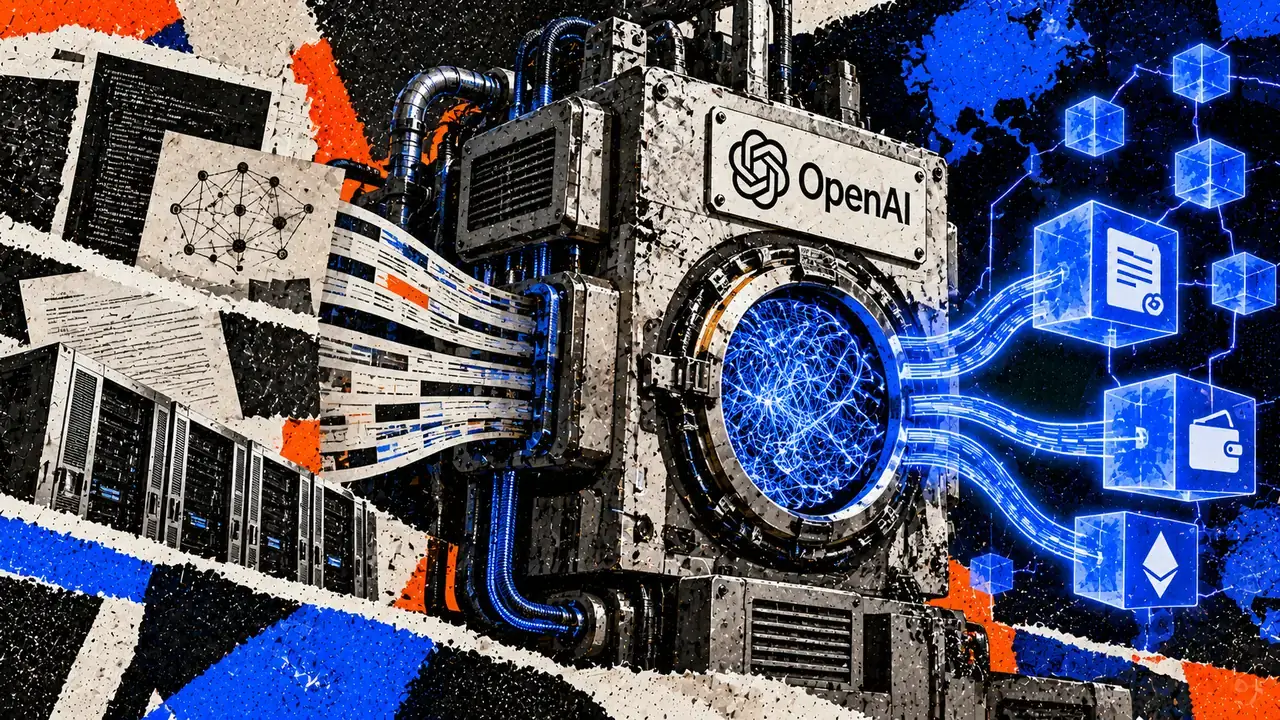
OpenAI math breakthroughs raise ‘bunker mode’ alarm from Bitcoin researcher Justin Drake
OpenAI’s latest advances in mathematics have prompted a leading Ethereum researcher to warn that crypto’s core wallet security cou...

XRP Price Eyes New Catalyst as Ripple Partners With South Korea’s Meritz
Ripple and South Korean brokerage Meritz Securities have signed a strategic partnership to assess Ripple Custody and Ripple’s toke...
OKX Eyes 63 U.S. Stocks in Major Tokenized Trading Expansion
Key Takeaways: OKXICE informed the SEC about its plan to establish an online platform called “Tokenized Securities Venue” that wou...
Circle partners with Tereina to bring USDC and EURC into SAP Pay
Integrating stablecoins into SAP Pay could streamline enterprise payments, reduce costs, and accelerate blockchain adoption in bus...