Hackers hide crypto address-swapping malware in Microsoft Office add-in bundles
Malicious actors are attempting to steal crypto with malware embedded in fake Microsoft Office extensions uploaded to the software hosting site SourceForge, according to cybersecurity firm Kaspersky.One of the malicious...
Archive context
Older archive item. Useful for background and entity history, but not a fresh market-moving signal.
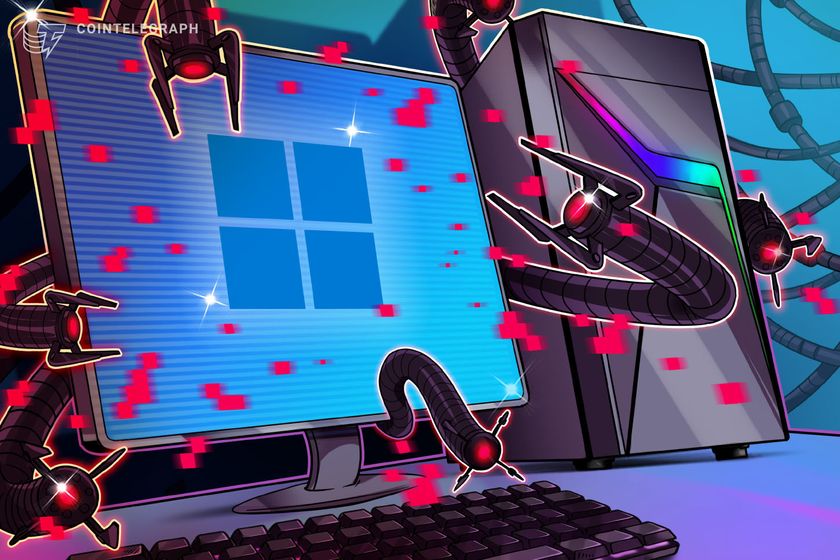
Malicious actors are attempting to steal crypto with malware embedded in fake Microsoft Office extensions uploaded to the software hosting site SourceForge, according to cybersecurity firm Kaspersky.
One of the malicious listings, called “officepackage,” has real Microsoft Office add-ins but hides a malware called ClipBanker that replaces a copied crypto wallet address on a computer's clipboard with the attacker's address, Kaspersky’s Anti-Malware Research Team said in an April 8 report.
“Users of crypto wallets typically copy addresses instead of typing them. If the device is infected with ClipBanker, the victim’s money will end up somewhere entirely unexpected,” the team said.
The fake project’s page on SourceForge mimics a legitimate developer tool page, showing the office add-ins and download buttons and can also appear in search results.
Kaspersky said it found a crypto-stealing malware on the software hosting website SourceForge. Source: Kaspersky
Kaspersky said another feature of the malware’s infection chain involves sending infected device information such as IP addresses, country and usernames to the hackers through Telegram.
The malware can also scan the infected system for signs it’s already been installed previously or for antivirus software and delete itself.
Attackers could sell system access to othersKaspersky says some of the files in the bogus download are small, which raises “red flags, as office applications are never that small, even when compressed.”
Other files are padded out with junk to convince users they are looking at a genuine software installer.
The firm said attackers secure access to an infected system “through multiple methods, including unconventional ones.”
“While the attack primarily targets cryptocurrency by deploying a miner and ClipBanker, the attackers could sell system access to more dangerous actors.”The interface is in Russian, which Kaspersky speculates could mean it targets Russian-speaking users.
“Our telemetry indicates that 90% of potential victims are in Russia, where 4,604 users encountered the scheme between early January and late March,” the report stated.
To avoid falling victim, Kaspersky recommended only downloading software from trusted sources as pirated programs and alternative download options carry higher risks.
Related: Hackers are selling counterfeit phones with crypto-stealing malware
“Distributing malware disguised as pirated software is anything but new,” the company said. “As users seek ways to download applications outside official sources, attackers offer their own. They keep looking for new ways to make their websites look legit.”
Other firms have also been raising the alarm over new forms of malware targeting crypto users.
Threat Fabric said in a March 28 report it found a new family of malware that can launch a fake overlay to trick Android users into providing their crypto seed phrases as it takes over the device.
Magazine: Bitcoin heading to $70K soon? Crypto baller funds SpaceX flight: Hodler’s Digest, March 30 – April 5
Why this matters
This cryptocurrency story adds another data point to the current market tape and is useful when read alongside nearby source coverage.
Original source
Read on CointelegraphRelated market context

Arc enables Bitcoin liquidity with cirBTC in its stablecoin ecosystem
Arc's integration of cirBTC enhances Bitcoin's utility in DeFi, offering regulated, compliant avenues for institutional participat...

Why truly decentralized DeFi needs no legal exemption according to SEC Commissioner Hester Peirce
SEC Commissioner Hester Peirce drew a sharp line around decentralized finance on Sept. 17. She said investors need no exemption to...

Binance expands bStocks margin collateral to all eligible users
Binance's move democratizes access to tokenized equities, potentially increasing market participation but also necessitating robus...
A Bitcoin Lightning flaw could send a node’s entire balance straight to miners
A flaw in Bitcoin Lightning software Eclair could let malicious peers wipe out a node’s local channel balance through fees. ACINQ...

CFTC Sent Crypto Market Structure Rulemaking to the White House Two Days After Clarity Act Failed
The Commodity Futures Trading Commission has begun writing crypto market rules without Congress. On Thursday, the agency filed “Re...

Béthune prosecutor’s office investigates kidnapping of crypto worker’s family in wrench attack
The rise in violent crypto-related crimes in France highlights urgent security challenges and may deter broader crypto adoption an...