TeraWulf Says AI Leasing Now Generates 83% of Revenue as Bitcoin Mining Recedes
TL;DR: TeraWulf’s November 6 earnings release shows $63 million in third-quarter high-performance-computing lease revenue, around 83% of its $76.2 million total. The company is increasingly an AI infrastructure business,...
High signal
Fresh in the current trading session. 3 independent sources are tracking the same story.
TL;DR: TeraWulf’s November 6 earnings release shows $63 million in third-quarter high-performance-computing lease revenue, around 83% of its $76.2 million total. The company is increasingly an AI infrastructure business, although large non-cash gains and long-dated construction plans require careful reading.
TeraWulf is becoming a clear example of how the economics of Bitcoin mining can lead an infrastructure operator into a rather different business. In its third-quarter results published November 6, the Nasdaq-listed company said high-performance computing, or HPC, generated $63 million of lease revenue in the three months to September 30.
That represented about 83% of its $76.2 million quarterly revenue. Investors who still describe the firm primarily as a Bitcoin miner risk missing where its business is now concentrated and what its future costs may look like.
The revenue mix has already changedThe company operates existing mining infrastructure at its Lake Mariner campus but is repurposing portions of that site to support contracted computing workloads. TeraWulf said 102 megawatts of revenue-generating critical IT capacity were online at Lake Mariner at quarter-end, with another 336 megawatts under construction.
These numbers are not interchangeable with power agreements or theoretical campus capacity. A contract for future electricity or land does not mean an equivalent amount of paying data-centre capacity is already operating. The distinction matters when a company is projecting revenue from facilities that require years and significant capital to complete.
TeraWulf also reported net income of approximately $709.9 million for the quarter. But it attributed a significant benefit to a non-cash change in the fair value of warrants, while adjusted EBITDA was negative at about $12.8 million. That makes the headline profit a poor substitute for analysing recurring rental revenue, financing costs and operating cash flow.
Big contracts come with big execution demandsThe company’s release described a 20-year Anthropic lease covering approximately 401 megawatts at its Justified development in Kentucky, representing around $19 billion in contracted revenue over the initial term. It also described a Google credit backstop supporting anticipated project financing and a definitive engineering, procurement and construction agreement with Fluor. These are material commercial commitments, not a claim that $19 billion has already been received.
TeraWulf expects phased service availability at Justified to begin in late 2027 and continue into 2028. At Muskie, it said contracted power capacity had expanded toward one gigawatt, subject to regulatory approval. Schedules, financing and utility infrastructure remain central risks.
NewsBTC has previously examined the mining industry’s move towards AI infrastructure. TeraWulf’s fresh results make that theme measurable: a majority of present revenue now comes from leases rather than mining.
Why this matters to Bitcoin marketsA miner switching to AI can reduce its exposure to Bitcoin production economics, including changes in difficulty, coin price and power cost. It can also create demand for the same grid connections, facilities and financing that historically supported mining. That transition need not be immediately positive or negative for Bitcoin’s network; it depends on which machines are retired, which are redeployed and whether remaining miners take up capacity.
The contrast with NewsBTC’s discussion of rising network hashrate is telling. Competition for mining rewards can intensify even while some large listed companies reshape themselves into computing landlords.
The milestones to watch are completed megawatts, actual rental commencement, capital spending against guidance, contractual counterparty exposure and cash generation. TeraWulf’s results show a dramatic change in revenue mix, but the hardest part of its next chapter will be delivering enormous physical projects reliably and profitably.
This article was written by the News Desk and edited by Samuel Rae.
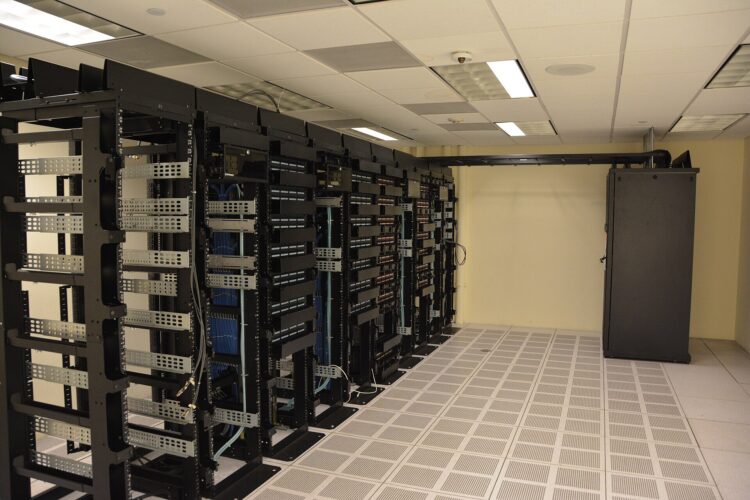
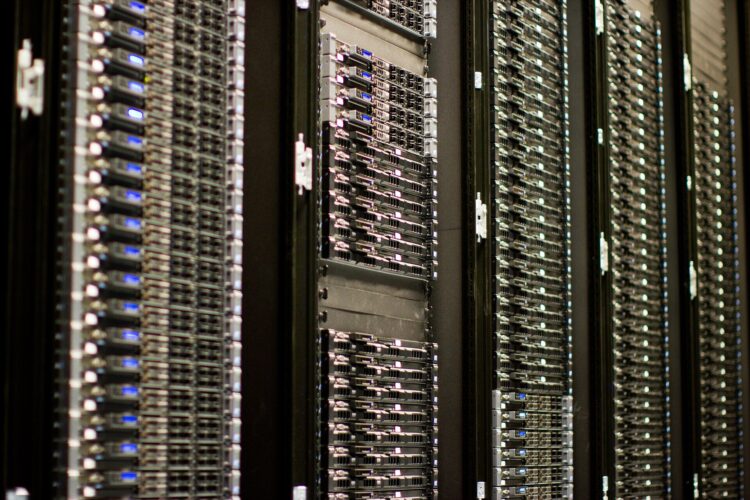
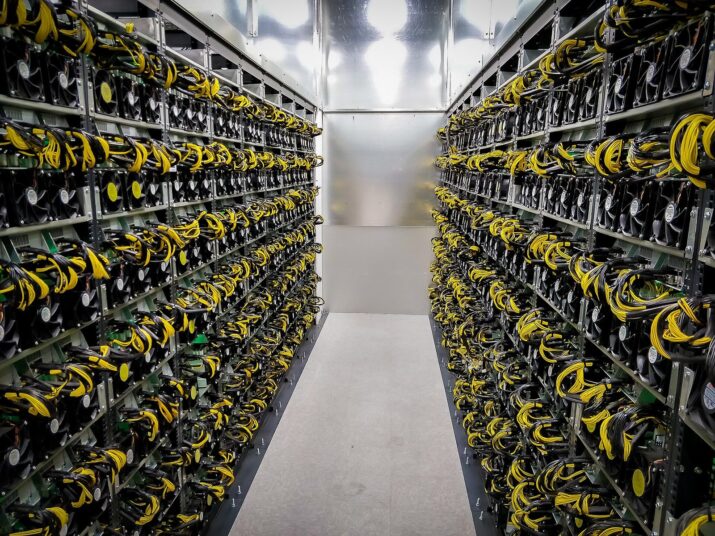
Featured image: Rows of server racks in a data centre (illustrative data-centre photograph only — does NOT depict an actual TeraWulf, IREN, or BitFuFu facility). Photo: Carl Lender via Wikimedia Commons, licensed under CC BY 2.0.
Why this matters
Bitcoin is showing up inside the Mining theme, so this story is worth tracking for follow-through rather than treating it as a one-off headline.
Original source
Read on NewsBTCSame story, other sources
Cross-source coverage
3 sources
Terawulf and IREN Bet Big on AI as Bitcoin Mining Revenue Shrinks
Despite top-line growth, Terawulf’s operating loss widened to $88.2 million in Q3 while IREN sa...
TeraWulf’s bitcoin mining revenue falls 69% as HPC leasing surges amid Anthropic buildout
TeraWulf reported $63 million in artificial intelligence-related quarterly HPC lease revenue, u...
Related market context

TeraWulf posts $76.2 million Q3 revenue as AI leases outgrow Bitcoin mining
TeraWulf's shift towards AI leases over Bitcoin mining highlights a strategic pivot, potentially reshaping its future revenue stre...
IREN’s Bitcoin Mining Revenue Falls as AI Cloud Sales Nearly Triple
TL;DR: IREN reported $200 million in quarterly AI Cloud revenue, up from $71 million the previous quarter, while Bitcoin mining re...

IREN Mining Revenue Falls 58% as AI Sales Reach $200 Million
IREN aims to substantially complete its mining transition by December, while its $4 billion AI revenue run-rate target moves into...
BitFuFu’s October Bitcoin Mining Output Falls Despite Steady Hashrate
TL;DR: BitFuFu produced 137 BTC in October, down from 167 in September, while managed hashrate stayed close to 19.5 EH/s. The mine...

IREN’s bitcoin mining revenue drops 58% as firm plans full exit by year-end
IREN has been shifting its focus to the AI infrastructure business, and its AI cloud revenue rose 182% in the past quarter to $200...
Strive (ASST) Posts $474.8 Million Common Net Income as Bitcoin Yield Hits 63.2%
Bitcoin Magazine Strive (ASST) Posts $474.8 Million Common Net Income as Bitcoin Yield Hits 63.2% Strive reported $474.8 million o...