Circle Partners with Deutsche Börse to Bring USDC to European Markets
Circle, the company behind the USDC stablecoin, has teamed up with Germany’s Deutsche Börse Group to integrate digital dollars into Europe’s traditional financial system. The two companies signed a Memorandum of Understa...
Archive context
Older archive item. Useful for background and entity history, but not a fresh market-moving signal.

Circle, the company behind the USDC stablecoin, has teamed up with Germany’s Deutsche Börse Group to integrate digital dollars into Europe’s traditional financial system.
The two companies signed a Memorandum of Understanding to deploy Circle’s USDC and EURC stablecoins across Deutsche Börse’s financial infrastructure. This includes trading platforms, custody services, and settlement systems that handle trillions of dollars in institutional money.
What Makes This Partnership ImportantStablecoins are cryptocurrencies designed to maintain a steady value, typically matching traditional currencies like the US dollar. Unlike Bitcoin or Ethereum, which can swing wildly in price, stablecoins provide stability for traders, businesses, and financial institutions.
The partnership aims to reduce settlement risk and cut costs for banks and asset managers operating in Europe. By connecting token-based payment networks with traditional financial infrastructure, the collaboration creates new possibilities for how money moves through the European financial system.
Jeremy Allaire, Circle’s co-founder and CEO, explained the vision: “Together with Deutsche Börse Group, we’re planning to advance the use of regulated stablecoins across Europe’s market infrastructure—reducing settlement risk, lowering costs, and improving efficiency for banks, asset managers, and the wider market.”
How the Partnership Will WorkThe collaboration focuses on several key areas within Deutsche Börse’s ecosystem. Initially, Circle’s stablecoins will be listed for trading on 360T’s digital exchange 3DX and through Crypto Finance, both owned by Deutsche Börse Group.
Source: @circle
For custody—essentially secure storage of digital assets—the partnership will use Clearstream, Deutsche Börse’s post-trade business. This gives institutions a regulated and trusted way to hold stablecoins, using Crypto Finance’s German entity as a backup custodian.
Thomas Book, a Deutsche Börse executive board member, emphasized the company’s unique position: “Our integrated offerings from 360T, 3DX, Crypto Finance and Clearstream have built a complete value chain for crypto asset trading, spanning execution, settlement, and custody.”
This means Deutsche Börse can offer everything from buying and selling stablecoins to safely storing them—all within a regulated framework that European financial institutions trust.
Europe’s New Rules Give Circle an EdgeThe partnership happens under Europe’s MiCA regulation, the world’s first comprehensive legal framework for crypto assets. MiCA requires stablecoin issuers to hold full reserves backing their tokens and undergo regular audits.
Circle became the first major global stablecoin issuer to comply with these rules in July 2024. This compliance gives Circle a significant advantage over competitors like Tether, whose USDT stablecoin has been delisted from major European exchanges for failing to meet MiCA requirements.
The regulatory clarity has sparked growth for Circle’s business. USDC’s circulating supply grew 78% in 2024, rising from around $24.4 billion at the start of the year to $43.9 billion by year’s end. Circle went public on the New York Stock Exchange in June 2025, raising $1.1 billion at an IPO price of $31 per share. The stock opened at $69 and surged as high as $100 on its first day of trading.
New Challenges on the HorizonThe partnership announcement comes at a complex moment for stablecoin regulation in Europe. The European Systemic Risk Board recently passed a recommendation to ban “multi-issuance” stablecoins—tokens issued jointly in the EU and other jurisdictions under a single brand.
While this guidance isn’t legally binding, it adds pressure on authorities to implement restrictions. The recommendation could affect how companies like Circle and Paxos manage their operations across borders, potentially requiring them to maintain separate reserves in Europe or issue different tokens for the European market.
Despite this uncertainty, Circle’s partnership with Deutsche Börse shows its commitment to the European market. Stephanie Eckermann, a Deutsche Börse executive board member, noted: “Digital assets have the potential to reshape financial markets by enhancing efficiency, transparency, and security—thereby strengthening the competitiveness of European capital markets.”
Competition Heats Up in EuropeCircle isn’t the only player working to establish regulated stablecoins in Europe. Nine major European banks—including ING, UniCredit, and Danske Bank—announced plans in September 2025 to jointly launch their own MiCA-compliant euro stablecoin, expected to debut in the second half of 2026.
Germany also launched EURAU in July 2025, the country’s first fully regulated euro-backed stablecoin. Created by AllUnity, a joint venture involving Deutsche Bank’s DWS Group, the token demonstrates growing institutional interest in digital currencies.
Euro-backed stablecoins remain tiny compared to dollar-based ones. They grew 44% in the first half of 2025 but still represent less than 1% of the total stablecoin market. This creates massive room for growth as European institutions and businesses look for alternatives to dollar-dominated digital payments.
The Road AheadCircle’s partnership with Deutsche Börse represents a shift in how traditional finance embraces digital assets. By integrating stablecoins into established market infrastructure, the collaboration could unlock new products and streamline workflows across trading, settlement, and custody.
For European banks and asset managers, the partnership offers a regulated pathway to use stablecoins without navigating complex technical challenges. For Circle, it solidifies its position as the leading compliant stablecoin issuer in a market that increasingly demands regulatory approval.
The success of this partnership could set a template for how stablecoins integrate with traditional finance worldwide, bridging the gap between old and new financial systems in ways that benefit both institutional players and everyday users.
Why this matters
This research story adds another data point to the current market tape and is useful when read alongside nearby source coverage.
Original source
Read on Brave New CoinRelated market context
Circle enables stablecoin purchases, lending on Arc with new kits
Circle's new developer kits could democratize financial services in apps, but reliance on third-party infrastructure poses potenti...

Open USD takes on Tether, Circle with a different stablecoin model that's 'building money'
The “overwhelming majority” of Open Standard’s equity will be distributed over time to partners based on how much they help grow t...
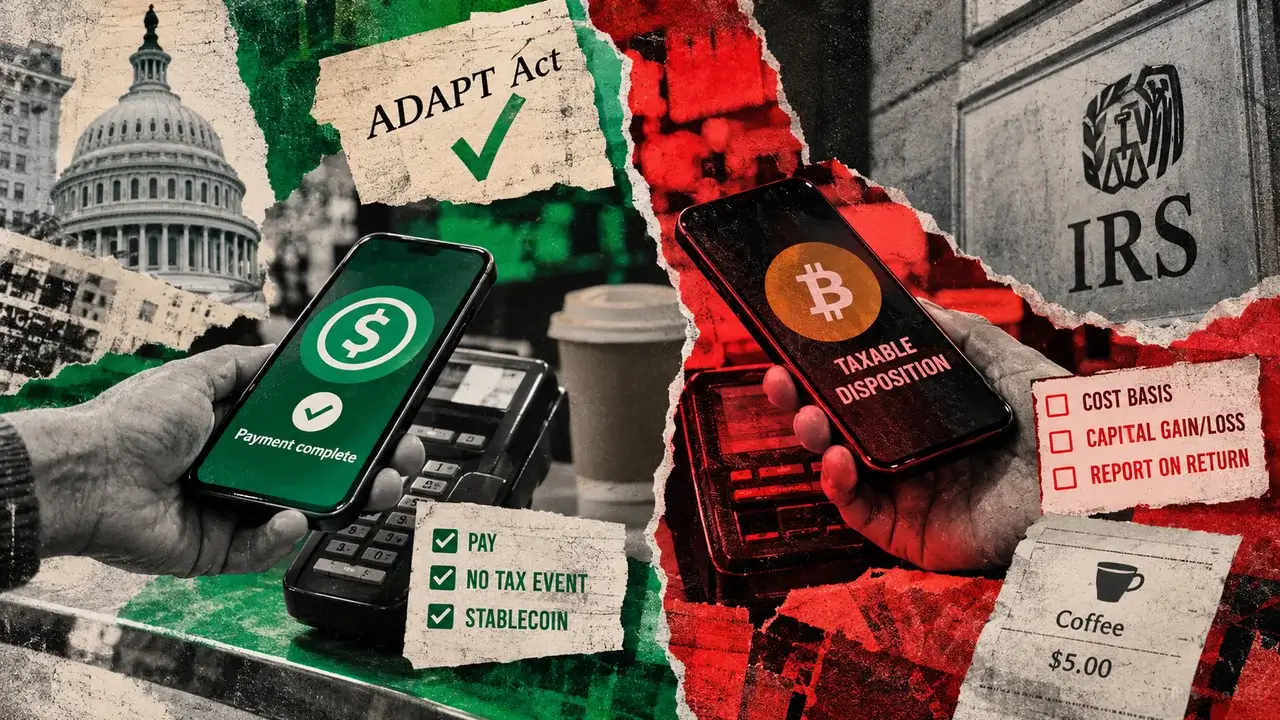
Senate tax bill frees stablecoin spending while Bitcoin stays on IRS forms
A coffee bought with a qualifying dollar stablecoin would avoid gain-or-loss recognition under the ADAPT Act that Sen. Steve Daine...
UK’s largest retail bank Lloyds, Visa complete live stablecoin settlement pilot
The pilot's success suggests stablecoins could revolutionize cross-border settlements, enhancing speed, liquidity, and financial i...
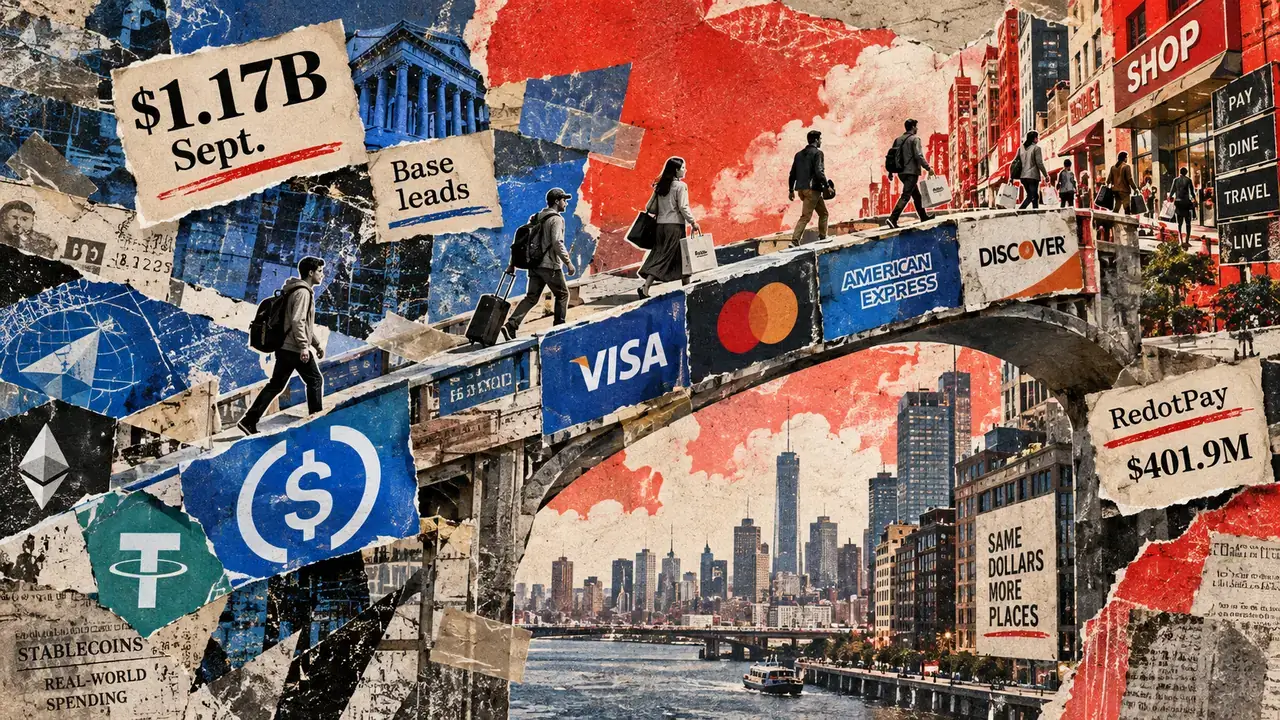
Stablecoin cards enter ‘hyper growth’ mode as monthly spending hits record $1.17 billion
Stablecoin card spending is accelerating to record levels, but the payment rail remains a fraction of the traditional card market....
Verda report warns LATAM stablecoin liquidity rests on 16 firms
The concentration of stablecoin liquidity among few firms in LATAM poses systemic risks, potentially destabilizing the region's fi...