Trump’s $100,000 H-1B Visa Fee: A Likely Major Blow to America’s Crypto Industry
Starting September 21, companies must pay $100,000 per year for each H-1B visa worker they want to hire. This massive jump from the current $1,700-$4,500 fee will hit the cryptocurrency and blockchain sectors particularl...
Archive context
Older archive item. Useful for background and entity history, but not a fresh market-moving signal.

Starting September 21, companies must pay $100,000 per year for each H-1B visa worker they want to hire. This massive jump from the current $1,700-$4,500 fee will hit the cryptocurrency and blockchain sectors particularly hard.
The new rule affects one of the most important ways tech companies bring skilled workers to America. About 85,000 H-1B visas are given out each year through a lottery system. Most of these workers – roughly two-thirds – work in computer-related jobs. For crypto companies that rely heavily on international talent, this change could be devastating.
Why Crypto Companies Depend on H-1B WorkersThe blockchain industry needs highly specialized skills that are often hard to find. Companies need developers who understand smart contracts, cryptocurrency protocols, and decentralized finance systems. Many of these experts come from countries like India and China through the H-1B program.
Source:@WhiteHouse
Data shows how much crypto companies use these visas. Blockchain Technologies LLC filed 204 applications for H-1B workers between 2022 and 2024. Even smaller crypto mining companies have relied on foreign talent, with some filing multiple applications each year.
The payment giant Visa has been actively hiring crypto developers with blockchain experience. They want people who know how to work with public blockchains and stablecoins. This shows how important international talent is for advancing crypto technology in America.
Small Crypto Startups Face the Biggest HitThe $100,000 annual fee creates a huge problem for smaller companies. A crypto startup with just 10 international developers would now face $1 million in visa costs alone. This doesn’t include salaries, benefits, or other business expenses.
Many blockchain startups operate on tight budgets and rely on venture capital funding. Spending hundreds of thousands of dollars on visa fees means less money for research, development, and growth. Some companies might have to choose between hiring the best talent and staying financially stable.
Commerce Secretary Howard Lutnick said companies need to decide if workers are valuable enough to justify the hefty payment. For cash-strapped startups, this choice could determine their survival.
Major Tech Companies Rush to Protect WorkersBig companies moved quickly after Trump announced the new rule. Microsoft, Amazon, and JPMorgan sent urgent messages to their H-1B employees. They told workers to stay in America or return immediately if they were traveling abroad.
Amazon’s panicked response shows how unprepared even large corporations were for this sudden change. If Amazon struggled to handle the new rules, smaller crypto companies face an even harder challenge.
Stock prices for tech companies that hire many foreign workers dropped 2% to 5% right after the announcement. This market reaction shows investors understand the serious impact this policy will have on the tech sector.
America Might Lose Its Edge to Other CountriesOther nations are already trying to attract the crypto talent that America might lose. El Salvador offers Bitcoin-based citizenship for $1 million – expensive, but it includes permanent residency. Portugal and the UAE have created special visa programs for tech entrepreneurs and blockchain developers.
Source: @USDOL
Canada’s Global Talent Stream processes work permits in about two weeks for skilled professionals. This speed and lower cost could attract crypto developers who would have come to America.
The policy might push crypto companies to hire workers remotely instead of bringing them to the US. A skilled blockchain developer in India or Europe can work on most projects from their home country. This approach avoids visa fees entirely but means America loses the economic benefits of having these workers live and spend money here.
Long-Term Damage to InnovationResearch shows that 20% of venture-funded startups have immigrant founders, and 75% of those founders first came to America on student visas. Many later worked on H-1B visas before starting their companies. Making H-1B visas much more expensive could reduce the pipeline of future crypto entrepreneurs.
The crypto industry moves fast and relies on cutting-edge research. When companies can’t access the best global talent, innovation slows down. America has led in blockchain technology partly because it could attract smart people from around the world. This advantage might disappear if other countries offer better opportunities.
Some analysts worry that crypto companies will move important work overseas rather than pay the high visa fees. This could hurt America’s position in the global race to develop new financial technologies.
The Bottom Line: Tough Times AheadThe $100,000 H-1B fee will force major changes in how crypto companies build their teams. Large corporations might absorb the costs, but smaller startups and blockchain projects will struggle. Some might move operations to countries with friendlier immigration policies.
The executive order lasts for 12 months unless extended. The crypto industry will watch closely to see if the policy continues and how other countries respond. For now, America’s position as the global leader in cryptocurrency innovation faces its biggest challenge yet.
Why this matters
This research story adds another data point to the current market tape and is useful when read alongside nearby source coverage.
Original source
Read on Brave New CoinRelated market context

Visa Says Business Payments Now Drive 17% Of Stablecoin-Linked Card Volume
TL;DR Visa says roughly 17% of its stablecoin-linked card volume in fiscal 2026 year-to-date came from business and commercial car...

Open USD bets Stripe’s $1.9 trillion network can break USDT and USDC’s grip
Open USD, a new stablecoin backed by more than 200 organizations, has launched with about $468 million in circulation and a distri...
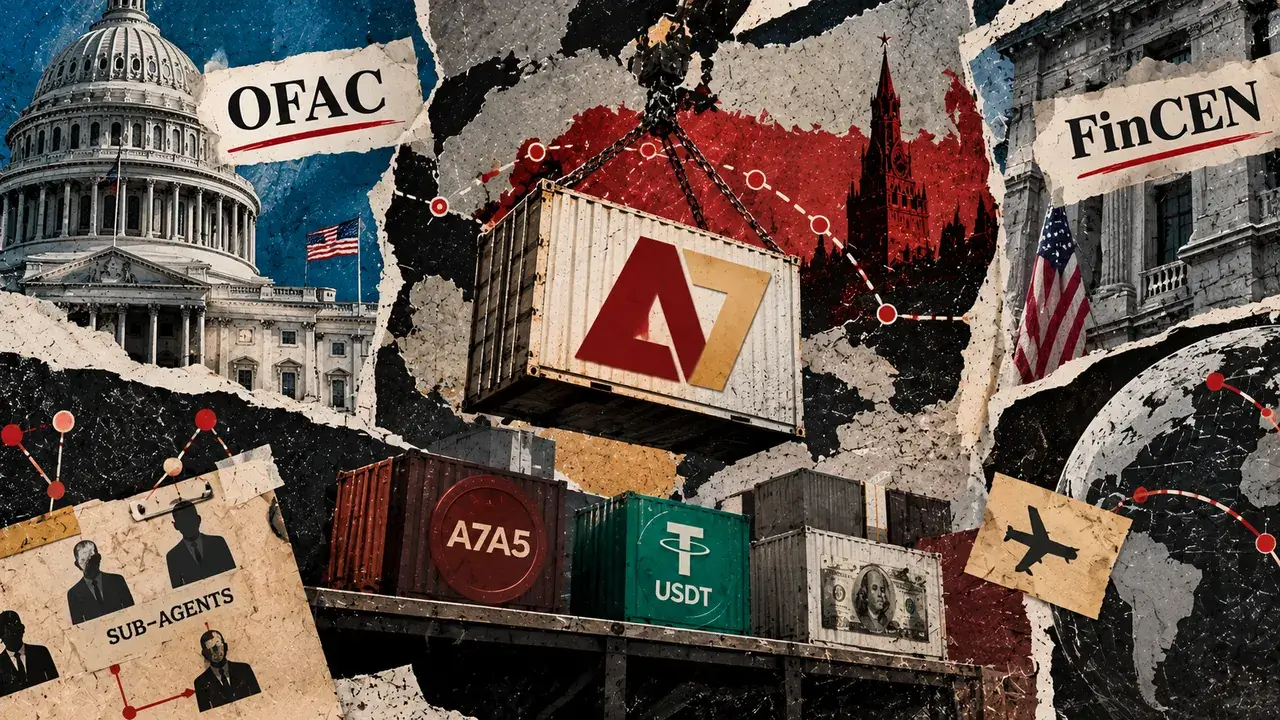
US targets $17 billion Russia-linked crypto payment network using USDT as an escape route
The US sanctioned the Russia-linked A7 Network and proposed new restrictions to cut its crypto intermediaries off from global mark...

Blockworks Makes Its Crypto Data Searchable From ChatGPT, Claude and Other AI Tools
Crypto data firm Blockworks launched a server on Thursday that brings its crypto data, covering more than 40,000 assets, into Chat...

Polymath And CineCity Explore Regulated Tokenized Film Investment Platform
TL;DR Polymath and Chicago-based CineCity Studios are exploring a platform for financing independent film through regulated digita...
Frank Holmes: They Will Print $100 Trillion – Why to Buy Bitcoin & Gold
Bitcoin Magazine Frank Holmes: They Will Print $100 Trillion – Why to Buy Bitcoin & Gold Bitcoin miners already have the power, th...