Ethiopian Central Bank: Business Transactions Using Bitcoin Are “Illegal”
The National Bank of Ethiopia issued a statement reminding its citizens that business transactions made with bitcoin and other cryptocurrencies are “illegal”.Ethiopia’s central bank issued a statement reminding its citiz...
Archive context
Older archive item. Useful for background and entity history, but not a fresh market-moving signal.

The National Bank of Ethiopia issued a statement reminding its citizens that business transactions made with bitcoin and other cryptocurrencies are “illegal”.
- Ethiopia’s central bank issued a statement reminding its citizenry that business practices made with bitcoin are illegal.
- The National Bank of Ethiopia warned that “informal financial transactions” using BTC are used for “money laundering schemes.”
- The Commercial Bank of Ethiopia stated BTC was being used for commercial practices but it is unclear whether businesses are buying or selling with BTC.
The National Bank of Ethiopia (NBE), has reiterated that it is illegal to conduct business with cryptocurrencies such as bitcoin, according to a translated report from Ethiopian state media outlet Fana Broadcasting Corporate (FBC).
“Ethiopia’s national currency is the Ethiopian Birr, any financial transaction in Ethiopia is expected to be paid in Birrs, according to the law,” the NBE reportedly stated.
The announcement quickly circulated through local media as the central authority attempted to make it widely known that use of bitcoin was considered illegal in business transactions. The monetary authority warned that those using cryptocurrencies like bitcoin are only using it for “informal financial transactions and money laundering schemes.”
The Commercial Bank of Ethiopia (CBE) released a statement that bitcoin was already being used by individuals for purchasing commercial products and services. However, the NBE is reportedly unclear whether or not businesses are transacting in bitcoin for their goods and services, and believes that transactions using bitcoin are becoming “increasingly prevalent,” yet did not release the category of users that are transacting.
While the specifics of who is using bitcoin for what in Ethiopia is unclear, it is clear that it is being used and the central banking authority seeks to undermine that use.
In April, it was reported that Ethiopia was suffering 36% year-over-year (YoY) inflation rate. High inflation rates have largely contributed to some countries adopting newer forms of currency, such as bitcoin, that offer higher levels of stability amid the devaluation of their currencies.
Why this matters
This bitcoin story adds another data point to the current market tape and is useful when read alongside nearby source coverage.
Original source
Read on Bitcoin MagazineRelated market context
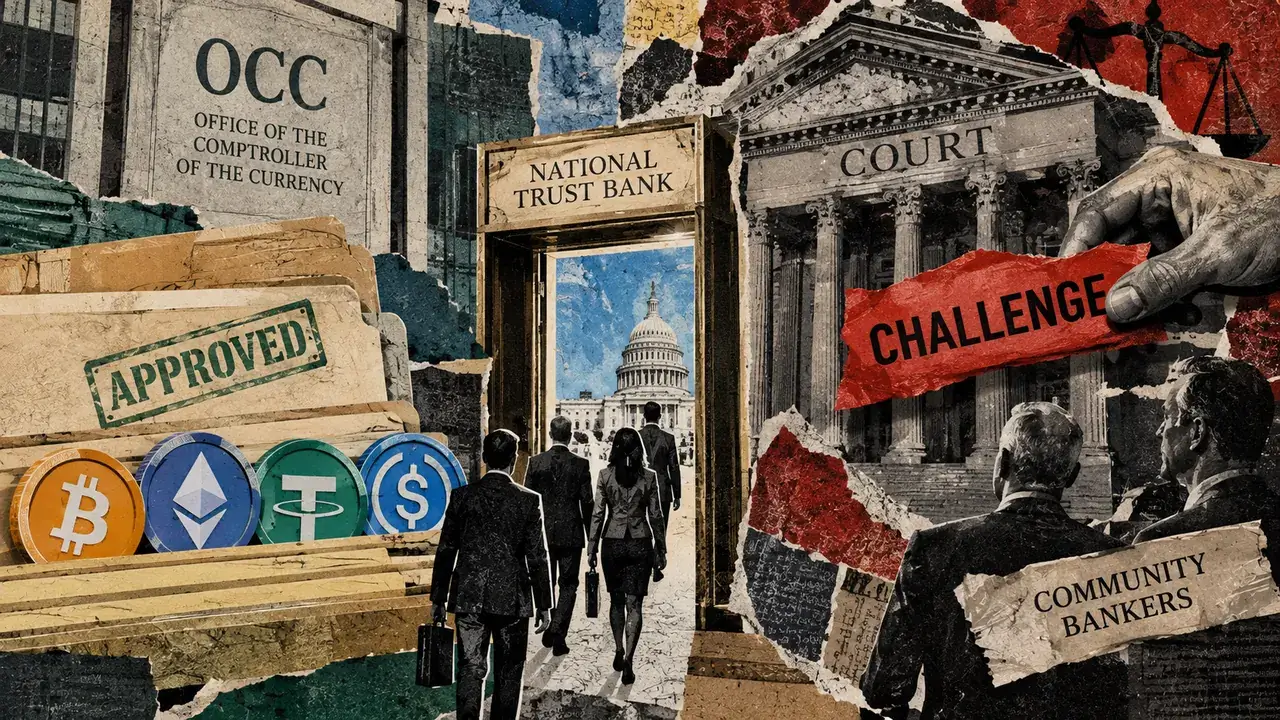
Bankers sue to overturn OCC trust-bank rule used by crypto firms
The Independent Community Bankers of America sued the OCC in federal court in Washington on Oct. 2, two weeks after the agency app...

US targets $17 billion Russia-linked crypto payment network using USDT as an escape route
The US sanctioned the Russia-linked A7 Network and proposed new restrictions to cut its crypto intermediaries off from global mark...

Central Bank of Iran plans to block rial accounts tied to crypto exchanges
Iran's crypto restrictions could stifle local exchanges, complicate rial-to-crypto conversions, and heighten economic isolation am...

New SEC crypto rules threaten small advisers, but big firms win
The US Securities and Exchange Commission’s proposed crypto custody fallback could broaden investment choices while making them ea...

Visa Says Business Payments Now Drive 17% Of Stablecoin-Linked Card Volume
TL;DR Visa says roughly 17% of its stablecoin-linked card volume in fiscal 2026 year-to-date came from business and commercial car...

Fiserv Puts Stablecoin Banking Platform Live With North Dakota Roughrider Coin
TL;DR Fiserv says its digital-asset platform is now live with financial-institution clients. Bank of North Dakota’s dollar-backed...