Game Theory Of Financial Crime: Policy Takeaways From Bitcoin
Significant shifts are underway in the ecosystem of illicit actors using cryptocurrency. According to a 2023 report by TRM Labs, Bitcoin is no longer the asset of choice for criminals.The report states, “The multi-chain...
Archive context
Older archive item. Useful for background and entity history, but not a fresh market-moving signal.

Significant shifts are underway in the ecosystem of illicit actors using cryptocurrency. According to a 2023 report by TRM Labs, Bitcoin is no longer the asset of choice for criminals.
The report states, “The multi-chain era has had a sweeping impact on the distribution of illicit crypto volume as a whole, where Bitcoin’s share plummeted from 97% in 2016 to 19% in 2022. In 2016, two thirds of crypto hack volume was on Bitcoin; in 2022, it accounted for just under 3%, with Ethereum (68%) and Binance Smart Chain (19%) dominating the field. And while Bitcoin was the exclusive currency for terrorist financing in 2016, by 2022 it was all but replaced by assets on the TRON blockchain, with 92%.”
Ramifications Of the ShiftClearly, this turns the adage of Bitcoin being synonymous with criminal activity, on its head.
Since inception, Bitcoin has functioned as a Schelling Point due to its network effect, market dominance and liquidity, making it a natural choice in cryptofinance.
(In Game Theory parlance, a Schelling Point is a natural solution in situations where multiple parties must make decisions without direct communication. These points are intuitively obvious, often relying on shared expectations or common knowledge.)
However, now it seems that there is an ongoing separation of equilibria with bad actors opting for a different point of convergence.
Policy TakeawaysThis move offers some key learnings from a policy perspective.
It highlights the need for policymakers to closely study specific assets and blockchains that are currently being favored by illicit actors and take appropriate action. More importantly, it provides an opportune moment to replace the current, generic perspective on digital assets with a more nuanced one, while shaping policy narratives on criminal usage.
Case in point, in the ongoing discussion on use of cryptoassets in terror financing, it often gets missed that Hamas has in fact stopped accepting Bitcoin donations, to protect its sponsors from being unveiled.
But most importantly, this shift of illicit finance away from Bitcoin, is the first ever documented case of major crime displacement in the world of cryptoassets. It sheds light on the fluid nature of Financial Crime as it adapts to the path of least resistance.
Perspectives From Game TheoryConsequently, a game-theoretic lens (with the players being - product devs, regulators, good and bad actors) enables a holistic and nuanced view of the space. We can see that in such a setting, interplay of independent actions and perspectives, generates myriad scenarios as the system is too intertwined for any set of players to control outcomes only by themselves.
A game-theoretic view of illicit finance expounds the need to step into the criminal mind to predict next steps and prepare accordingly. Policy making to combat illegal fund flows, is typically retroactive with bad actors making the first few moves, which are then studied as emerging risks to accordingly craft regulations. However, with the space of digital assets evolving at an exponential pace, we do not have the luxury of following this whack-a-mole approach (which happens to be the norm in designing Traditional Finance regulations).
The ongoing wave of crime displacement away from Bitcoin, highlights the necessity to arm policymakers with predictive systems that forecast future patterns of illicit fund flows. Such an approach will vastly minimize response time to new threats.
Counter-crime InitiativesLessons from Bitcoin’s changing usage, can also help counter-crime professionals grasp distinct features of organized crime syndicates. Case in point, crime rings still reliant on Bitcoin would signify a lack of agility in leadership. Additionally, position on an ‘agility spectrum’ can help infer further actionable insights about any syndicate, such its level of resourcefulness and technical expertise. This can also aid law enforcement in sizing the unique effort required in combating each crime ring. Case in point, crime syndicates which pioneered the shift away from Bitcoin, and are (consequently) ahead of the curve, would be operating at a relatively higher level of ingenuity, while continuously adapting to slip through the cracks.
Concluding ThoughtsThe switch of financial crime away from Bitcoin, sheds light on the need of a more nuanced approach to curating apt and dynamic regulatory and policy frameworks for digital assets and blockchains. It also highlights the dangers of applying broad strokes to the entire spectrum of cryptofinance, when it comes to policy debates on criminal usage.
This is a guest post by Debanjan Chatterjee. Opinions expressed are entirely their own and do not necessarily reflect those of BTC Inc or Bitcoin Magazine.
Why this matters
This bitcoin story adds another data point to the current market tape and is useful when read alongside nearby source coverage.
Original source
Read on Bitcoin MagazineRelated market context

Hester Peirce Leaves SEC After Years At The Center Of US Crypto Policy
TL;DR SEC Commissioner Hester Peirce is concluding her tenure at the agency on October 2. Peirce became one of the most visible vo...

Base Cobalt Goes Live With Conditional Trades and New B20 Controls for Tokenized Assets
Key Takeaways: The newest Cobalt upgrade by Base has been activated on the mainnet. Traders can send orders which will only be fil...
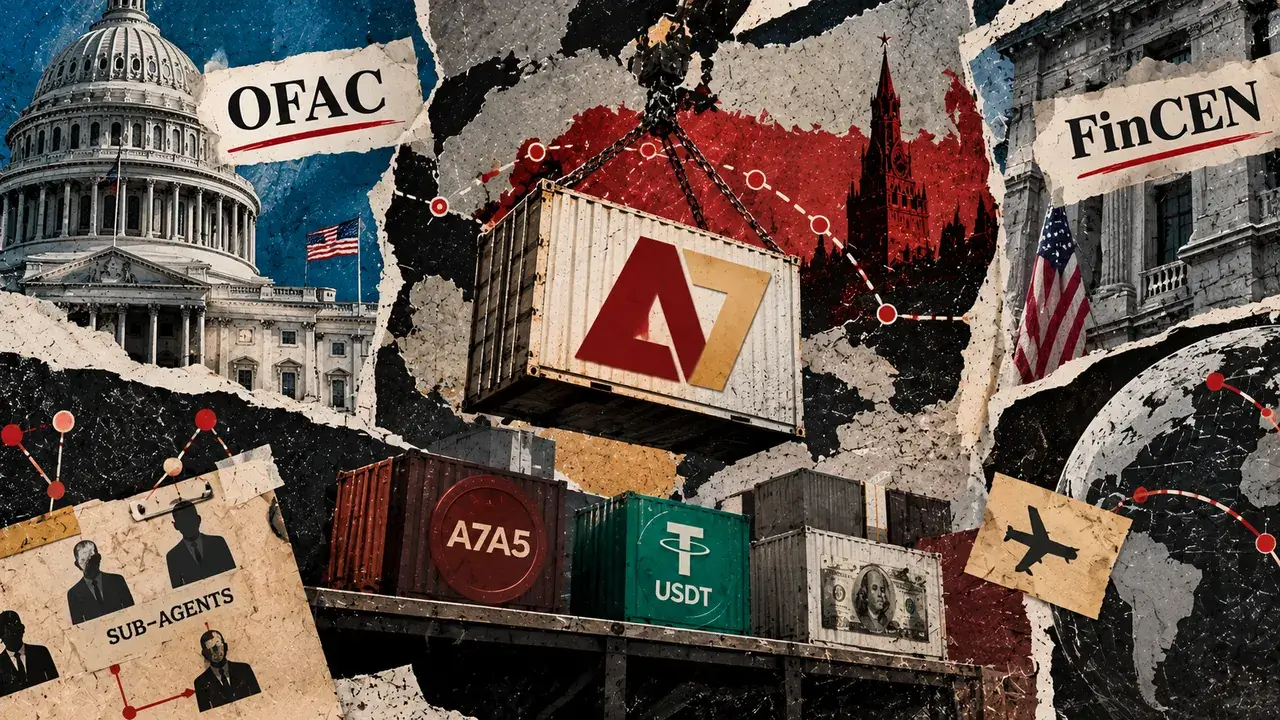
US targets $17 billion Russia-linked crypto payment network using USDT as an escape route
The US sanctioned the Russia-linked A7 Network and proposed new restrictions to cut its crypto intermediaries off from global mark...
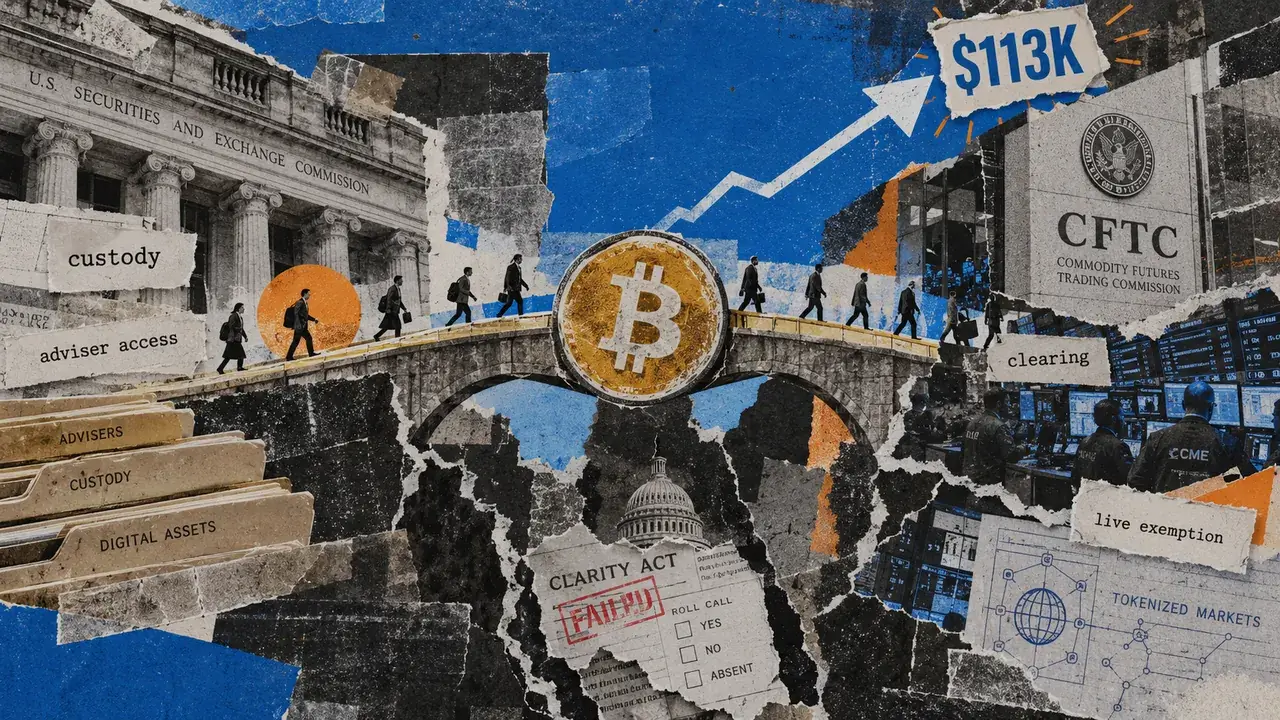
Bitcoin’s $113,000 case strengthens as US regulators push 9 crypto actions
The US Securities and Exchange Commission (SEC) proposed a custody framework on Oct. 1 that would let investment advisers and regu...

Tokenized Stocks, Investor Rights, and Their Crypto Role
Tokenized stocks could give crypto-native investors access to equity exposure through crypto platforms, but a token that tracks a...

Bitcoin sees big overnight rally as ETF demand returns before the next US jobs test
Bitcoin retook $86,000 by the morning of Oct. 2 as demand for US spot Bitcoin ETFs recovered, with short covering a plausible acce...